
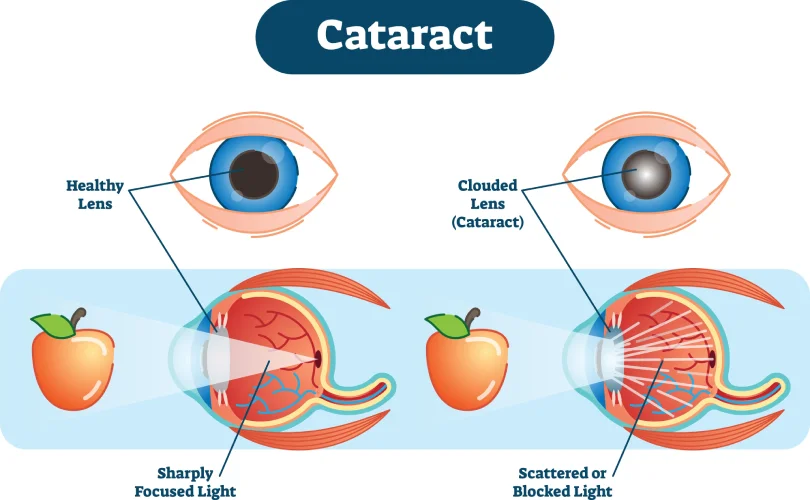
Blurred vision, glare while driving at night, faded colors, and difficulty reading are common signs of cataracts that can gradually interfere with everyday activities. Although cataracts are a natural part of aging for many people, modern ophthalmology offers highly effective surgical solutions that can restore clear vision. During my visit to Smart Vision Eye Centre, I observed how advanced diagnostic technology, meticulous surgical planning, and patient-focused care contribute to successful visual outcomes.
If you are considering Cataract surgery in Andheri, Dr. Seema Behl provides comprehensive evaluation and advanced cataract treatment using modern surgical techniques and premium intraocular lens (IOL) options tailored to each patient’s visual needs.
Cataract Surgery in Andheri – Personalized Vision Care
Choosing Cataract surgery in Andheri involves more than simply removing the cloudy lens. A thorough pre-operative assessment helps determine the most appropriate surgical technique and intraocular lens based on the patient’s lifestyle, eye health, and visual expectations.
At Smart Vision Eye Centre, every patient undergoes a detailed eye examination before surgery to ensure individualized treatment planning and optimal postoperative visual outcomes.
What Is a Cataract?
A cataract occurs when the natural lens inside the eye becomes cloudy, preventing light from focusing properly on the retina. This results in gradual deterioration of vision.
Although cataracts most commonly develop with age, they may also occur because of:
- Diabetes
- Eye injuries
- Long-term steroid use
- Congenital conditions
- Previous eye surgery
- Excessive ultraviolet (UV) exposure
Cataracts do not improve with medications or eye drops and are treated through surgery when vision becomes significantly affected.
Common Symptoms of Cataracts
Patients may notice:
- Blurred or cloudy vision
- Difficulty reading
- Increased glare from headlights
- Poor night vision
- Frequent changes in spectacle prescription
- Faded or yellowish colors
- Double vision in one eye
- Difficulty recognizing faces
Early evaluation allows timely planning for surgery before vision loss significantly affects daily activities.
Diagnostic Evaluation
Before recommending surgery, a comprehensive eye examination typically includes:
- Visual acuity testing
- Slit lamp examination
- Cataract grading
- Eye pressure measurement
- Retinal examination
- Biometry for intraocular lens calculation
- Corneal assessment
Accurate measurements help select the most suitable intraocular lens for each patient.
Modern Cataract Surgery Techniques
Phacoemulsification
Phacoemulsification is the most commonly performed cataract procedure. A small incision is made, and ultrasound energy is used to break the cloudy lens into tiny fragments before replacing it with an artificial intraocular lens (IOL).
Premium Intraocular Lenses (IOLs)
Depending on the patient’s needs, several lens options are available, including:
- Monofocal lenses
- Multifocal lenses
- Toric lenses for astigmatism
- Extended depth-of-focus lenses
The choice of lens depends on eye health, lifestyle, and visual expectations.
Benefits of Cataract Surgery
Modern cataract surgery offers numerous benefits:
- Improved visual clarity
- Better night vision
- Enhanced color perception
- Reduced dependence on glasses in selected cases
- Short recovery time
- High success rates
- Improved quality of life
- Greater independence in daily activities
Most patients experience significant improvement in vision after recovery.
Benefits and Possible Risks
Benefits
- Clearer vision
- Improved daily functioning
- Better driving vision
- Enhanced reading ability
- Customized lens selection
- Long-lasting visual improvement
Possible Risks
Although cataract surgery is considered highly safe, potential risks include:
- Infection
- Inflammation
- Temporary blurred vision
- Swelling
- Increased eye pressure
- Retinal complications (rare)
These risks are minimized through careful surgical planning, sterile techniques, and regular postoperative follow-up.
Approximate Cost Range
The cost of cataract surgery varies depending on:
- Type of intraocular lens
- Surgical technique
- Diagnostic testing
- Hospital facilities
- Individual eye condition
In Mumbai, cataract surgery may generally range from ₹25,000 to ₹1,20,000 or more per eye, depending on the lens selected and the complexity of the case. A detailed consultation provides an individualized estimate.
Recovery and Aftercare
During my visit to Smart Vision Eye Centre, I learned that proper postoperative care plays a vital role in achieving optimal vision.
Patients are generally advised to:
- Use prescribed eye drops regularly
- Avoid rubbing the eyes
- Wear protective eyewear when recommended
- Avoid heavy lifting during early recovery
- Maintain good eye hygiene
- Attend scheduled follow-up appointments
- Protect the eyes from dust and water during initial healing
Most patients resume routine activities within a few days, although complete healing may take several weeks.
Meet Dr. Seema Behl
Dr. Seema Behl is a highly experienced ophthalmologist and cataract surgeon dedicated to providing advanced eye care using modern diagnostic and surgical techniques. As an experienced Eye Specialist & Surgeon in Mumbai, she focuses on personalized treatment, precision surgery, and long-term visual health.
Qualifications
Dr. Seema Behl completed her MBBS followed by postgraduate specialization in Ophthalmology. She has received advanced training in cataract surgery, phacoemulsification, refractive surgery, glaucoma management, and comprehensive ophthalmic care. She regularly updates her clinical expertise through continuing medical education and professional conferences.
Clinical Experience
With extensive clinical experience, Dr. Seema Behl has successfully treated thousands of patients with cataracts, refractive errors, glaucoma, diabetic eye disease, dry eye syndrome, and other ophthalmic conditions. Her patient-centered approach emphasizes accurate diagnosis, individualized treatment planning, and evidence-based eye care.
Clinic Environment
Smart Vision Eye Centre is a modern Ophthalmologist Clinic in Andheri East, Mumbai, equipped with advanced diagnostic imaging, computerized eye testing, surgical facilities, and contemporary ophthalmic technology. Patients benefit from comprehensive eye evaluations, personalized consultations, and structured postoperative care in a comfortable clinical environment.
Expertise
Dr. Seema Behl specializes in:
- Cataract surgery
- Phacoemulsification
- Premium intraocular lenses (IOLs)
- Glaucoma management
- LASIK evaluation
- Diabetic eye care
- Dry eye treatment
- Comprehensive eye examinations
- Refractive error management
- Preventive ophthalmology
Her goal is to preserve and restore vision while providing compassionate, patient-focused eye care.
Why Choose Smart Vision Eye Centre?
During my visit, several strengths distinguished the clinic:
- Comprehensive eye evaluations
- Advanced cataract diagnostics
- Modern phacoemulsification technology
- Personalized lens selection
- Experienced ophthalmic care
- Patient-friendly environment
- Evidence-based treatment protocols
- Dedicated postoperative follow-up
The clinic focuses on delivering high-quality eye care while helping patients achieve the best possible visual outcomes.
Contact Dr. Seema Behl
📞 +91 9321842424 | +91 22 31399370
📧 info@smartvisioneyecentre.com
Get Directions to the Clinic – Smart Vision Eye Centre and schedule your appointment today for expert cataract care and advanced vision restoration.
If you are experiencing blurred vision, glare, or difficulty performing everyday activities due to cataracts, consult Dr. Seema Behl for a comprehensive eye evaluation. Early diagnosis and individualized treatment planning can help restore clear vision and improve quality of life.
Frequently Asked Questions
1. When should cataract surgery be performed?
Cataract surgery is generally recommended when cloudy vision begins to interfere with daily activities such as reading, driving, working, or recognizing faces.
2. Is cataract surgery painful?
No. Cataract surgery is typically performed under local anesthesia, and most patients experience minimal discomfort during the procedure.
3. How long does cataract surgery take?
The procedure usually takes about 15–30 minutes, although patients may spend a few hours at the clinic for preparation and observation.
4. Can both eyes be operated on the same day?
In most cases, cataract surgery is performed on one eye at a time. The second eye is usually treated after the first eye has healed sufficiently, depending on the ophthalmologist’s recommendation.