
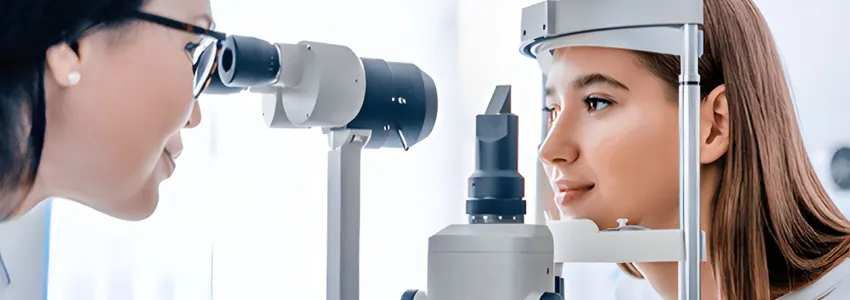
Vision plays a crucial role in our daily lives, yet many eye conditions develop gradually without noticeable symptoms. Regular eye check-ups are essential for maintaining optimal eye health, detecting vision problems early, and preventing serious eye diseases. A comprehensive eye examination goes beyond checking eyesight—it evaluates the overall health of your eyes and helps identify conditions before they affect your vision.
If you are looking for a comprehensive eye examination in greater noida, Oculus Eye Clinic offers advanced diagnostic eye care services led by experienced ophthalmologists Dr. Tanima Bansal and Dr. Payal Gupta. Their patient-focused approach, combined with modern diagnostic technology, ensures accurate assessments and personalized treatment recommendations for patients of all ages.
What Is a Comprehensive Eye Examination?
A comprehensive eye examination is a detailed evaluation of both vision and eye health. Unlike a simple vision screening, this examination assesses various aspects of eye function and helps detect underlying conditions that may not show obvious symptoms.
The examination typically includes:
- Vision assessment
- Refraction testing for glasses or contact lenses
- Eye pressure measurement
- Retinal examination
- Assessment of eye muscle function
- Evaluation of the optic nerve
- Screening for eye diseases
Regular examinations help preserve vision and support long-term eye health.
Why Are Regular Eye Examinations Important?
Many eye diseases progress silently in their early stages. Conditions such as glaucoma, diabetic retinopathy, macular degeneration, and retinal disorders may not cause symptoms until significant damage has occurred.
Regular eye examinations help:
- Detect vision problems early
- Monitor eye health changes
- Identify systemic diseases affecting the eyes
- Prevent avoidable vision loss
- Update spectacle prescriptions
- Ensure healthy visual development in children
Early diagnosis often leads to more effective treatment and better visual outcomes.
Who Should Get a Comprehensive Eye Examination?
Children
Regular eye examinations are important for detecting refractive errors, lazy eye, squint, and other developmental vision issues.
Adults
Routine eye check-ups help monitor vision changes, screen for eye diseases, and maintain overall eye health.
Senior Citizens
Older adults face a higher risk of cataracts, glaucoma, age-related macular degeneration, and other vision-threatening conditions.
Individuals with Medical Conditions
People with diabetes, hypertension, thyroid disorders, or a family history of eye disease should undergo regular eye evaluations.
Components of a Comprehensive Eye Examination
Visual Acuity Testing
This measures how clearly a person can see at different distances and helps identify refractive errors such as:
- Myopia (nearsightedness)
- Hyperopia (farsightedness)
- Astigmatism
- Presbyopia
Refraction Assessment
A detailed refraction determines the appropriate prescription for glasses or contact lenses.
Eye Pressure Measurement
Elevated eye pressure can indicate glaucoma, a condition that can lead to irreversible vision loss if left untreated.
Retinal Evaluation
The retina and optic nerve are examined to detect diseases affecting the back of the eye.
Slit Lamp Examination
A slit lamp microscope allows detailed examination of:
- Cornea
- Lens
- Iris
- Conjunctiva
- Anterior eye structures
Eye Muscle Assessment
This evaluates eye alignment and coordination to identify muscle imbalances or binocular vision problems.
Meet Dr. Tanima Bansal and Dr. Payal Gupta
Oculus Eye Clinic is led by two highly skilled eye specialists dedicated to providing comprehensive ophthalmic care.
Dr. Tanima Bansal
Dr. Tanima Bansal is an experienced ophthalmologist known for her expertise in diagnosing and managing a wide range of eye conditions. She is committed to providing evidence-based eye care using advanced diagnostic technologies and personalized treatment plans.
Dr. Payal Gupta
Dr. Payal Gupta is a highly respected eye specialist with extensive experience in comprehensive eye care, vision correction, and management of ocular diseases. Her patient-focused approach emphasizes preventive eye care and long-term visual health.
Together, they are recognized among the Best Ophthalmologists In Greater Noida, offering high-quality eye care for patients across all age groups.
Qualifications and Clinical Expertise
Both specialists possess extensive medical training and clinical experience in ophthalmology. Their expertise includes:
- Comprehensive eye examinations
- Cataract evaluation and management
- Glaucoma screening
- Retinal disease diagnosis
- Dry eye management
- Pediatric ophthalmology
- Refractive error correction
- Contact lens consultation
- Diabetic eye disease screening
Their commitment to continuing education ensures that patients benefit from the latest advancements in eye care.
Why Choose Oculus Eye Clinic?
Advanced Diagnostic Technology
The clinic utilizes modern ophthalmic equipment for accurate diagnosis and treatment planning.
Comprehensive Eye Care
From routine vision assessments to advanced disease screening, patients receive complete eye care services under one roof.
Personalized Attention
Every patient receives individualized care tailored to their specific visual and ocular health needs.
Preventive Approach
The focus is on early detection, prevention, and long-term preservation of vision.
State-of-the-Art Clinic Environment
Oculus Eye Clinic provides a comfortable, professional, and patient-friendly environment designed to support comprehensive eye care.
Patients benefit from:
- Modern diagnostic facilities
- Comfortable consultation rooms
- Advanced ophthalmic technology
- Efficient appointment scheduling
- Personalized counseling
- Comprehensive follow-up care
The clinic prioritizes patient comfort, safety, and clinical excellence at every stage of care.
Common Eye Conditions Detected During Eye Examinations
Regular eye examinations can help identify:
Cataracts
Clouding of the eye’s natural lens that can affect vision quality.
Glaucoma
A potentially sight-threatening condition caused by damage to the optic nerve.
Diabetic Retinopathy
Retinal damage associated with diabetes.
Macular Degeneration
An age-related condition affecting central vision.
Dry Eye Syndrome
A common condition causing irritation, discomfort, and visual fluctuations.
Refractive Errors
Vision problems that can be corrected with glasses, contact lenses, or refractive procedures.
How Often Should You Have an Eye Examination?
The frequency depends on age, risk factors, and existing eye conditions.
General recommendations include:
- Children: As advised by an ophthalmologist
- Adults: Every 1–2 years
- Seniors: Annually or as recommended
- Diabetic patients: At least yearly
Individuals with existing eye conditions may require more frequent monitoring.
Why Early Detection Matters
Many serious eye diseases can be effectively managed when diagnosed early. Regular examinations help preserve vision and reduce the risk of permanent visual impairment.
Consulting the best eye specialist in greater noida ensures access to timely diagnosis, advanced treatment options, and comprehensive eye care.
Conclusion
Healthy vision is essential for daily life, productivity, and overall well-being. Regular eye examinations play a vital role in detecting vision problems early, preventing eye diseases, and maintaining long-term ocular health.
If you are seeking a comprehensive eye examination in greater noida, Dr. Tanima Bansal and Dr. Payal Gupta at Oculus Eye Clinic provide expert care, advanced diagnostics, and personalized treatment plans designed to protect and preserve your vision.
Contact Oculus Eye Clinic
CTA – Schedule Your Eye Examination Today
Your vision deserves expert care and regular attention. Whether you need a routine eye check-up, updated prescription, or screening for eye diseases, Dr. Tanima Bansal and Dr. Payal Gupta provide comprehensive and personalized eye care solutions for patients of all ages.
Frequently Asked Questions (FAQs)
1. What is included in a comprehensive eye examination?
A comprehensive eye examination includes vision testing, refraction assessment, eye pressure measurement, retinal evaluation, and screening for eye diseases.
2. How long does a comprehensive eye examination take?
Most examinations take between 30 and 60 minutes, depending on individual requirements and diagnostic testing.
3. Can eye examinations detect diseases other than eye problems?
Yes. Eye examinations can sometimes reveal signs of systemic conditions such as diabetes, hypertension, and certain neurological disorders.
4. Do I need an eye examination if my vision seems normal?
Yes. Many eye diseases develop without symptoms in their early stages, making routine examinations essential for preventive care.