
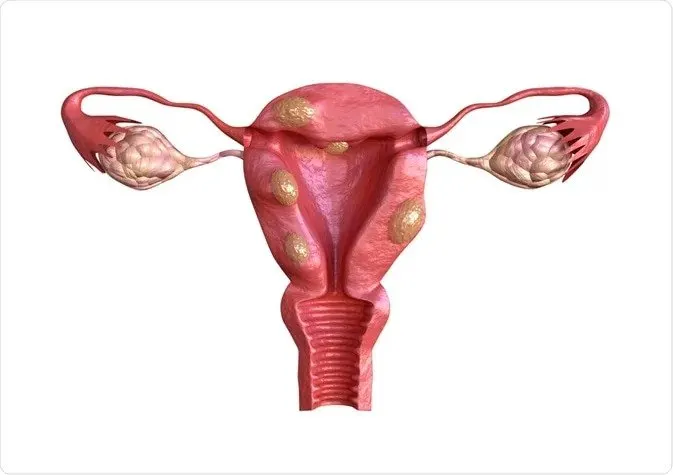
Uterine fibroids are among the most common benign growths affecting women during their reproductive years. While many fibroids remain symptom-free, others can cause heavy menstrual bleeding, pelvic pain, pressure symptoms, infertility, or recurrent pregnancy complications. During my visit to Dhanvantari Hospital, I learned how consulting a Fibroid specialist in Borivali can help women receive an accurate diagnosis and personalized treatment based on the size, number, location of fibroids, and future fertility plans. Dr. Deepika Doshi, an experienced Gynecologist in Borivali, Mumbai, explained that early diagnosis and timely management can significantly improve quality of life while preserving reproductive health whenever possible.
Fibroid Specialist in Borivali: Why Early Evaluation Matters
Seeking a Fibroid specialist in Borivali is important when symptoms begin affecting daily activities or reproductive health. Fibroids can vary greatly in size and location, making individualized evaluation essential.
Treatment depends on:
- Number of fibroids
- Size of the fibroids
- Location within the uterus
- Severity of symptoms
- Age
- Desire for future pregnancy
- Overall health
A detailed gynecological assessment helps determine the most appropriate treatment approach.
What Are Uterine Fibroids?
Uterine fibroids (also called leiomyomas or myomas) are non-cancerous tumors that develop from the muscular wall of the uterus.
Fibroids may occur as:
Intramural Fibroids
Develop within the muscular wall of the uterus and are the most common type.
Submucosal Fibroids
Grow beneath the uterine lining and may contribute to heavy menstrual bleeding and fertility problems.
Subserosal Fibroids
Develop on the outer surface of the uterus and may press on nearby organs.
Pedunculated Fibroids
Attached to the uterus by a narrow stalk.
The symptoms depend largely on their size and location.
Common Symptoms of Fibroids
Many women remain symptom-free, while others experience:
- Heavy menstrual bleeding
- Prolonged periods
- Pelvic pain
- Pelvic pressure
- Frequent urination
- Constipation
- Lower back pain
- Pain during intercourse
- Difficulty conceiving
- Recurrent miscarriages in selected cases
Persistent symptoms should always be evaluated by a gynecologist.
Risk Factors
Several factors may increase the likelihood of fibroid development:
- Family history
- Hormonal influences
- Reproductive age
- Obesity
- Early onset of menstruation
- Lifestyle factors
Although fibroids are benign, regular monitoring may be necessary depending on their size and symptoms.
How Are Fibroids Diagnosed?
At Dhanvantari Hospital, diagnosis begins with a detailed consultation and pelvic examination.
Investigations may include:
- Pelvic ultrasound
- Transvaginal ultrasound
- MRI scan (selected cases)
- Blood tests
- Hysteroscopy
- Diagnostic laparoscopy when indicated
Accurate diagnosis helps determine the most appropriate treatment while preserving fertility whenever possible.
Treatment Options
Treatment depends on symptoms, fibroid characteristics, and reproductive goals.
Observation
Small, symptom-free fibroids may simply require periodic monitoring.
Medical Management
Depending on symptoms, treatment may include:
- Hormonal medications
- Medicines to reduce heavy bleeding
- Pain relief medications
- Iron supplementation for anemia
Minimally Invasive Procedures
Selected patients may benefit from:
- Hysteroscopic fibroid removal
- Laparoscopic myomectomy
- Advanced minimally invasive gynecological procedures
Surgical Treatment
When necessary, surgery may include:
- Myomectomy (fibroid removal while preserving the uterus)
- Hysterectomy in appropriate cases
Treatment recommendations are individualized after comprehensive evaluation.
Benefits of Early Treatment
Timely fibroid management offers several advantages:
- Relief from heavy bleeding
- Reduced pelvic pain
- Prevention of anemia
- Improved fertility outcomes in selected patients
- Better bladder and bowel function
- Improved quality of life
- Reduced risk of complications
Early intervention often allows more treatment options.
Approximate Cost of Fibroid Treatment
The overall cost depends on:
- Number and size of fibroids
- Medical versus surgical treatment
- Hospital stay
- Surgical technique
- Diagnostic investigations
- Follow-up care
A personalized consultation provides a treatment estimate based on the patient’s individual condition.
Risks of Delaying Treatment
Untreated symptomatic fibroids may lead to:
- Chronic anemia
- Persistent pelvic pain
- Increasing fibroid size
- Fertility challenges
- Pregnancy-related complications
- Pressure on nearby organs
Early evaluation helps reduce these risks.
Lifestyle and Recovery Advice Shared by Dr. Deepika Doshi
Dr. Deepika Doshi emphasizes that regular gynecological follow-up and healthy lifestyle habits contribute to long-term reproductive wellness.
She recommends:
- Attend routine gynecological check-ups.
- Eat an iron-rich, balanced diet.
- Maintain a healthy body weight.
- Exercise regularly.
- Track menstrual cycles.
- Avoid delaying evaluation for abnormal bleeding.
- Follow postoperative instructions carefully if surgery is performed.
- Attend scheduled follow-up appointments.
Patient education and individualized care are important aspects of successful treatment.
Meet Dr. Deepika Doshi
Patients looking for an experienced Gynecologist in Borivali West often consult Dr. Deepika Doshi, who has extensive expertise in obstetrics, gynecology, minimally invasive surgery, and women’s reproductive healthcare.
Dr. Deepika Doshi holds advanced qualifications in obstetrics and gynecology and has significant clinical experience managing both routine and complex gynecological conditions. She is known for her patient-focused approach, evidence-based treatment, and personalized care plans tailored to each woman’s reproductive goals.
Her areas of expertise include:
- Uterine fibroids
- Ovarian cysts
- Endometriosis
- Menstrual disorders
- High-risk pregnancy care
- Laparoscopic gynecological surgery
- Infertility evaluation
- Preventive women’s healthcare
She combines modern medical practices with compassionate care to help women make informed treatment decisions.
Dhanvantari Hospital: Comprehensive Women’s Healthcare
During my visit, Dhanvantari Hospital provided a comfortable, modern, and patient-centered environment dedicated to women’s healthcare.
The hospital offers:
- Advanced diagnostic facilities
- Modern ultrasound services
- Minimally invasive surgical facilities
- Personalized treatment planning
- High standards of hygiene
- Experienced nursing care
- Comprehensive gynecological services
Every patient undergoes a thorough assessment before treatment recommendations are made.
Why Choose an Experienced Gynecologist for Fibroid Treatment?
Fibroid management requires careful consideration of symptoms, fertility plans, and overall health.
Consulting an experienced Gynecologist in Borivali, Mumbai offers:
- Accurate diagnosis
- Individualized treatment planning
- Fertility-preserving options where appropriate
- Access to minimally invasive surgery
- Comprehensive follow-up care
- Evidence-based women’s healthcare
Expert care helps optimize both symptom relief and long-term reproductive health.
Contact Dr. Deepika Doshi
📞 022 28338378 | +91 9324263464
📧 info@dhanvantarihospitals.com
Get Directions to the Clinic – Dhanvantari Hospital
If you are experiencing heavy menstrual bleeding, pelvic pain, pressure symptoms, or have been diagnosed with uterine fibroids, schedule a consultation with Dr. Deepika Doshi at Dhanvantari Hospital. A detailed evaluation can help determine the size, location, and impact of fibroids while creating a personalized treatment plan based on your health needs and future fertility goals.
Frequently Asked Questions
1. Do all uterine fibroids require surgery?
No. Many fibroids can be managed with observation or medications if they are small and do not cause significant symptoms. Surgery is recommended only when clinically indicated.
2. Can fibroids affect pregnancy?
Depending on their size and location, fibroids may affect fertility or pregnancy in some women. Early evaluation helps determine the best management approach.
3. Is laparoscopic fibroid surgery safe?
Laparoscopic myomectomy is a commonly performed minimally invasive procedure for suitable patients and is associated with smaller incisions, reduced pain, and faster recovery.
4. Can fibroids return after treatment?
Yes. New fibroids may develop over time, especially in younger women. Regular follow-up with your gynecologist helps monitor reproductive health and detect recurrence early.