
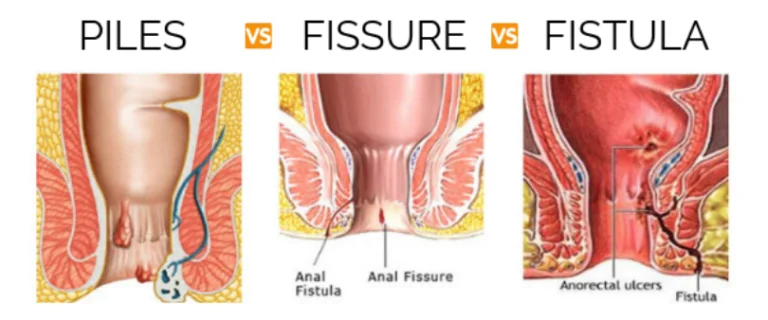
Anal fissures are a common yet often painful condition that can significantly affect daily activities and quality of life. Although many fissures heal with conservative treatment, persistent or chronic fissures may require specialized medical evaluation and advanced treatment. During my visit to Dhanvantari Hospital, I observed a patient-focused approach where accurate diagnosis, modern treatment options, and individualized care help patients recover comfortably. Individuals looking for a Fissure specialist in Borivali can benefit from timely consultation, comprehensive evaluation, and treatment plans tailored to the severity and duration of their condition.
Why Consult a Fissure Specialist in Borivali?
An anal fissure is a small tear in the lining of the anal canal that usually develops due to trauma during bowel movements. While the condition may appear minor, untreated fissures can become chronic, leading to severe pain, muscle spasm, and recurrent bleeding.
Consulting a Fissure specialist in Borivali allows patients to receive an accurate diagnosis and appropriate treatment before complications develop.
Common symptoms include:
- Sharp pain during bowel movements
- Burning sensation after passing stools
- Bright red bleeding on toilet paper
- Persistent anal discomfort
- Visible tear near the anal opening
- Itching or irritation
Early intervention often leads to better outcomes and quicker relief.
What Causes an Anal Fissure?
Anal fissures commonly develop due to:
- Chronic constipation
- Passing hard stools
- Persistent diarrhea
- Excessive straining
- Childbirth
- Inflammatory bowel disease
- Trauma to the anal canal
Identifying and treating the underlying cause is an important part of long-term management.
Acute vs. Chronic Anal Fissures
Acute Fissure
A recently developed tear that often heals with medications, dietary changes, and proper bowel habits.
Chronic Fissure
A fissure lasting several weeks that may develop scar tissue, muscle spasm, or a sentinel skin tag, often requiring specialized treatment.
A thorough examination helps determine the most appropriate management approach.
Diagnosis
During my visit, I observed that diagnosis begins with a detailed consultation and clinical examination.
The evaluation may include:
- Medical history
- Symptom assessment
- Physical examination
- Gentle anorectal evaluation
- Additional investigations if required to rule out other colorectal conditions
Most fissures can be diagnosed through clinical examination without extensive testing.
Meet Dr. Bhavesh Doshi
Dr. Bhavesh Doshi is a highly experienced Pediatric Surgeon in India with expertise in pediatric surgery, neonatal surgery, gastrointestinal conditions, anorectal disorders, and general surgical procedures.
According to his professional profile, Dr. Bhavesh Doshi has advanced qualifications in pediatric surgery and extensive clinical experience managing both pediatric and selected adult surgical conditions. His expertise includes anorectal disorders, minimally invasive surgery, neonatal surgery, gastrointestinal surgery, congenital anomalies, and comprehensive surgical care. He follows evidence-based treatment protocols while focusing on patient safety, accurate diagnosis, and individualized treatment planning.
At Dhanvantari Hospital, patients receive treatment in a modern, hygienic, and well-equipped clinical environment supported by advanced diagnostic facilities, experienced healthcare professionals, and patient-centered care. The hospital emphasizes personalized consultations, comprehensive evaluation, minimally invasive techniques whenever appropriate, and dedicated post-treatment follow-up.
Many patients also recognize Dr. Bhavesh Doshi as a trusted Pediatric Surgeon in Mumbai, reflecting his broad surgical expertise and commitment to delivering quality healthcare.
Treatment Options
Treatment depends on the duration, severity, and underlying cause of the fissure.
Conservative Management
Many acute fissures improve with:
- High-fiber diet
- Increased water intake
- Stool softeners
- Warm sitz baths
- Prescription topical medications
These measures help reduce pain and promote healing.
Advanced Treatment
When conservative measures fail, additional options may include:
- Botox injections in selected cases
- Minimally invasive procedures
- Lateral Internal Sphincterotomy (LIS) for chronic fissures when clinically indicated
The treatment plan is individualized based on each patient’s condition.
Benefits of Early Treatment
Prompt management can help:
- Relieve pain
- Promote healing
- Reduce muscle spasm
- Prevent chronic fissures
- Lower the risk of recurrence
- Improve bowel comfort
- Enhance quality of life
Early consultation often prevents the need for more extensive treatment.
Recovery and Aftercare
Recovery recommendations typically include:
- Eating a fiber-rich diet
- Drinking plenty of fluids
- Avoiding constipation
- Taking medications as prescribed
- Maintaining good anal hygiene
- Performing warm sitz baths
- Attending follow-up appointments
These measures support healing and reduce the likelihood of recurrence.
Possible Risks if Left Untreated
Untreated fissures may lead to:
- Chronic pain
- Persistent bleeding
- Anal muscle spasm
- Sentinel skin tag formation
- Difficulty passing stools
- Recurrent fissures
Timely medical evaluation helps reduce these complications.
Approximate Cost Considerations
The cost of fissure treatment depends on:
- Severity of the fissure
- Medical versus surgical treatment
- Diagnostic investigations
- Hospital charges
- Individual treatment requirements
A consultation helps determine the most appropriate treatment plan and provides a personalized estimate.
Why Choose Dhanvantari Hospital?
During my visit, I observed that Dhanvantari Hospital combines experienced surgical care with patient-centered treatment and modern facilities.
Patients appreciate:
- Comprehensive anorectal evaluation
- Individualized treatment planning
- Modern diagnostic facilities
- Evidence-based treatment
- Experienced surgical expertise
- Comfortable clinical environment
- Dedicated follow-up care
The focus is on accurate diagnosis, effective symptom relief, and long-term recovery.
Frequently Asked Questions
1. Can an anal fissure heal without surgery?
Yes. Many acute fissures heal with dietary changes, medications, and lifestyle modifications. Chronic fissures may require additional treatment if conservative measures are unsuccessful.
2. Is fissure surgery painful?
Modern surgical techniques and appropriate anesthesia help minimize discomfort. Most patients experience significant relief from fissure-related pain after recovery.
3. How can I prevent fissures from recurring?
Maintaining soft stools through a high-fiber diet, adequate hydration, regular exercise, and avoiding excessive straining can help reduce recurrence.
4. When should I consult a specialist?
If you experience persistent pain, bleeding during bowel movements, or symptoms lasting more than a few weeks despite home treatment, consult a specialist promptly.
Contact Dr. Bhavesh Doshi
📞 9820565205 ☎️ 022 28338378
📧 info@drbhaveshdoshi.com
Get directions to the clinic – Dhanvantari Hospital
If you are experiencing persistent anal pain, bleeding during bowel movements, or symptoms suggestive of an anal fissure, schedule a consultation with Dr. Bhavesh Doshi at Dhanvantari Hospital. A comprehensive evaluation can help identify the underlying cause and determine the most appropriate treatment plan for your condition. Contact the clinic today to book your appointment, discuss your concerns, and receive expert care focused on effective relief, safe treatment, and long-term colorectal health.