
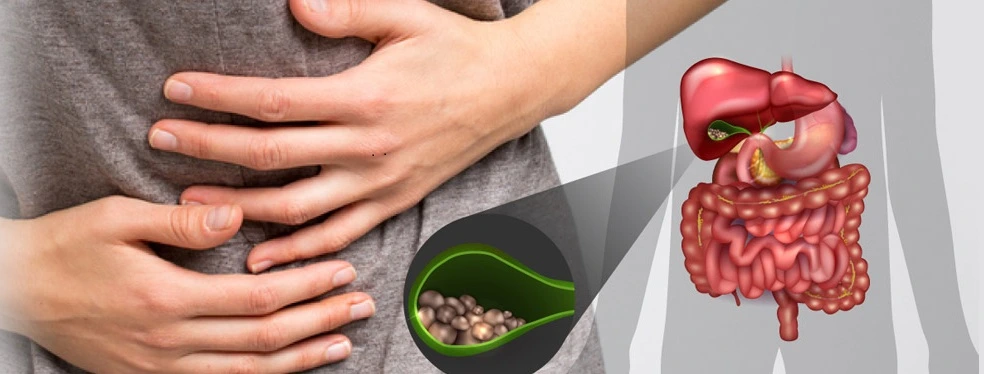
Gallstones are a common digestive health concern that can remain silent for years or suddenly cause severe pain and complications. These hardened deposits can develop in the gallbladder or bile ducts and may interfere with the normal flow of bile. When symptoms occur, timely evaluation by an experienced gastroenterology specialist is important for proper diagnosis and treatment.
If you are experiencing abdominal discomfort, nausea, vomiting, or recurrent digestive symptoms, seeking professional medical advice can help identify the underlying cause. At Globus Gastroenterology Hospital, patients can access comprehensive care for digestive and hepatobiliary conditions under the guidance of experienced specialists.
For individuals seeking Gallstone treatment in Mumbai, a personalised evaluation can help determine the most appropriate management approach based on symptoms, stone location, associated complications, and overall health.
What Are Gallstones?
The gallbladder is a small organ located beneath the liver. Its primary function is to store and release bile, a digestive fluid that helps the body digest fats.
Gallstones are hardened, stone-like deposits that can form inside the gallbladder or bile ducts. They may be composed mainly of cholesterol, bilirubin, or other substances present in bile. Their size can vary considerably, ranging from tiny particles to larger stones.
Interestingly, not all gallstones cause symptoms. Some people may have gallstones for years without knowing about them. However, when stones block the flow of bile, they can cause significant discomfort and may lead to complications requiring medical attention.
Why Do Gallstones Develop?
Gallstone formation can be influenced by several factors. Changes in the composition or flow of bile may contribute to stone formation.
Some factors associated with gallstones include:
- Pregnancy
- Rapid weight loss
- Certain blood disorders
- Liver conditions such as cirrhosis
- Changes in cholesterol or bilirubin levels
- Family history of gallstones
- Obesity
- Increasing age
- Certain dietary and metabolic factors
Not everyone with these risk factors will develop gallstones. A medical evaluation is necessary to understand the individual cause and determine whether treatment is required.
What Are the Symptoms of Gallstones?
Many gallstones are discovered incidentally during imaging performed for another health concern. However, symptomatic gallstones can cause discomfort and other digestive symptoms.
Common symptoms may include:
- Pain in the upper abdomen, particularly on the right side
- Sudden episodes of abdominal pain
- Pain that may radiate toward the right shoulder
- Nausea and vomiting
- Indigestion or digestive discomfort
- Jaundice in cases involving bile duct obstruction
- Chest discomfort in some situations
Severe or persistent abdominal pain should not be ignored. Symptoms such as fever, jaundice, repeated vomiting, or worsening pain require prompt medical attention.
How Are Gallstones Diagnosed?
Accurate diagnosis is essential before deciding on treatment. A gastroenterologist may recommend investigations based on the patient’s symptoms and clinical history.
Diagnostic methods may include:
Ultrasound
Ultrasound is commonly used to identify gallstones and evaluate the gallbladder.
Blood Tests
Blood investigations may help identify signs of infection, inflammation, liver dysfunction, or bile duct obstruction.
Advanced Imaging
In selected cases, additional imaging may be required to obtain a clearer understanding of the bile ducts and surrounding structures.
Endoscopic Evaluation
Certain patients may require endoscopic procedures when stones are suspected in the bile duct or when therapeutic intervention is needed.
The treatment plan should always be based on the patient’s symptoms, investigation findings, and overall clinical condition.
Treatment Options for Gallstones
Treatment depends on whether the gallstones are causing symptoms or complications. Silent gallstones may not always require immediate intervention, while symptomatic or complicated cases may need active treatment.
One of the commonly used treatments for symptomatic gallbladder stones is cholecystectomy, which involves surgical removal of the gallbladder. In many suitable cases, this procedure can be performed using minimally invasive laparoscopic techniques.
Laparoscopic surgery generally involves smaller incisions compared with traditional open surgery. The appropriate surgical approach, however, depends on the patient’s medical condition and the complexity of the case.
In cases where stones are present in the common bile duct, procedures such as ERCP may be considered. ERCP is an endoscopic technique that can help diagnose and manage certain obstructions of the bile or pancreatic ducts.
For patients considering Gallstone treatment in Mumbai, consultation with a specialist can help clarify which treatment option is appropriate for their individual condition.
Expert Gastroenterology Care at Globus Gastroenterology Hospital
Globus Gastroenterology Hospital provides specialised care for gastrointestinal, liver, pancreatic, and abdominal conditions. The hospital is a NABH-accredited facility and offers diagnostic and treatment services for patients across different age groups.
The centre provides facilities for conventional and advanced endoscopy, therapeutic procedures, gastrointestinal and laparoscopic surgeries, pathology, radiology, liver-related care, and other specialised services.
As a Best Gastro Hospital in Mumbai, Globus Gastroenterology Hospital focuses on bringing specialised digestive healthcare services under one roof. The hospital environment is designed to support comprehensive evaluation, diagnosis, treatment planning, and follow-up care.
About Dr. Vedant H. Karvir
Dr. Vedant H. Karvir is a Chief Hepato-Gastroenterologist with extensive experience in gastroenterology, hepatology, and therapeutic endoscopy.
According to the information provided by Globus Gastroenterology Hospital, Dr. Karvir has over 12 years of experience in the field. His areas of professional interest include liver diseases and therapeutic endoscopy.
His clinical experience includes a large number of diagnostic and therapeutic gastrointestinal procedures. He has performed thousands of gastroscopies and colonoscopies and has experience with advanced procedures involving gastrointestinal bleeding management, dilatation procedures, ERCP-related interventions, and PEG tube placement.
Dr. Vedant H. Karvir’s approach emphasises specialist evaluation and appropriate treatment planning based on the patient’s condition. His expertise in hepatology and therapeutic endoscopy supports comprehensive management of a range of digestive and hepatobiliary disorders.
Why Timely Consultation Matters
Gallstone symptoms can sometimes resemble other digestive conditions. Self-diagnosis or ignoring recurring pain may delay appropriate treatment.
A specialist consultation can help:
- Identify the cause of abdominal pain
- Determine whether gallstones are responsible for symptoms
- Assess for bile duct obstruction
- Detect associated complications
- Recommend suitable diagnostic tests
- Discuss appropriate medical, endoscopic, or surgical options
Early evaluation can help patients understand their condition and make informed decisions about treatment.
Can Gallstones Be Prevented?
Not every case of gallstones can be prevented. However, maintaining a healthy lifestyle may help reduce certain risk factors.
Helpful measures may include:
- Maintaining a healthy body weight
- Avoiding rapid or extreme weight loss
- Following a balanced diet
- Staying physically active
- Managing underlying medical conditions
- Seeking medical advice for persistent digestive symptoms
Lifestyle measures should not replace medical evaluation when gallstone symptoms are present.
Comprehensive Digestive Care Under One Roof
Digestive health concerns often require coordinated care involving diagnosis, imaging, endoscopy, medical treatment, and sometimes surgery. Access to multiple services within a specialised healthcare setting can make the treatment journey more convenient for patients.
Globus Gastroenterology Hospital offers specialised services for gastrointestinal and liver conditions, with facilities supporting diagnostic and therapeutic care. Patients can consult specialists for conditions involving the stomach, intestines, liver, pancreas, gallbladder, and related digestive organs.
If you have recurrent abdominal pain, nausea, jaundice, or other symptoms that may be related to gallstones, it is important to seek professional evaluation rather than delaying treatment.
Consult Dr. Vedant H. Karvir for Gallstone Concerns
Gallstone management should always be based on an individual assessment. The right treatment depends on the size and location of stones, symptoms, possible complications, and the patient’s overall health.
Dr. Vedant H. Karvir and the team at Globus Gastroenterology Hospital provide specialised gastroenterology care for patients with digestive and hepatobiliary concerns.
📍 Globus Hospital
Phone: +91 98331 06104 / 98331 87118
Mail: info@globushospital.in
If you are experiencing symptoms that may be related to gallstones, schedule a consultation with Dr. Vedant H. Karvir for a professional evaluation and personalised treatment guidance.
Frequently Asked Questions
1. What are the common symptoms of gallstones?
Gallstones may cause upper abdominal pain, nausea, vomiting, right shoulder pain, indigestion, or jaundice in cases involving bile duct obstruction. Some people may have gallstones without experiencing any symptoms.
2. Do all gallstones require surgery?
No. Some gallstones may remain asymptomatic and may not require immediate treatment. However, symptomatic gallstones or stones causing complications may require medical, endoscopic, or surgical management depending on the individual case.
3. What is laparoscopic gallbladder surgery?
Laparoscopic cholecystectomy is a minimally invasive surgical procedure used to remove the gallbladder. The suitability of this procedure depends on the patient’s health and clinical condition.
4. Can gallstones return after gallbladder removal?
Once the gallbladder is removed, gallbladder stones cannot form again inside it. However, in rare situations, stones may develop in the bile ducts. Regular medical follow-up should be based on the advice of the treating specialist.