
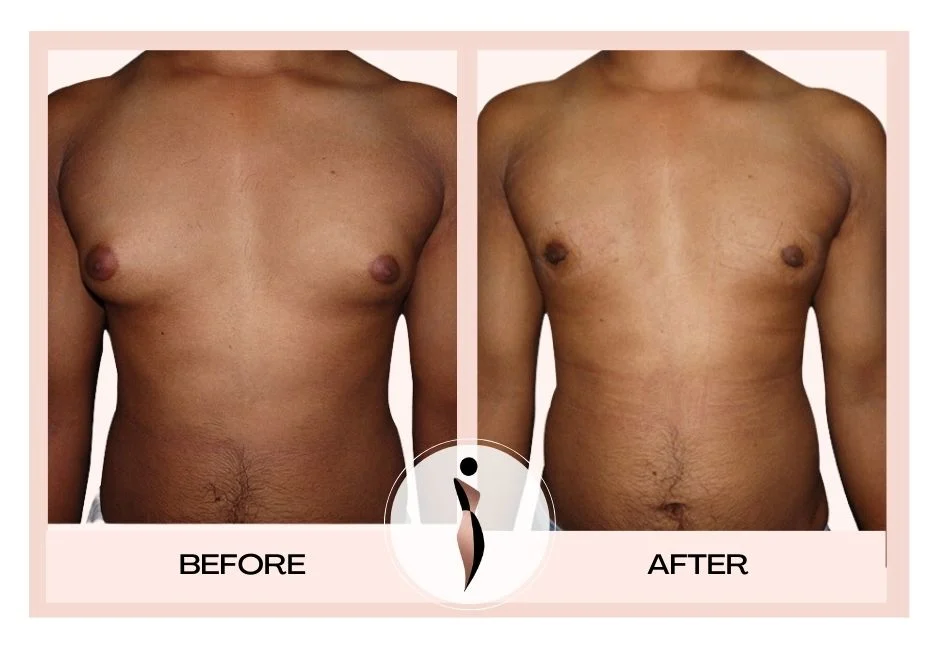
During my review of male breast reduction procedures in Mumbai, I found that gynecomastia can be more than a cosmetic concern. Enlargement of male breast tissue may affect body image, clothing choices and confidence, while some men may also experience tenderness or discomfort. For individuals considering Gynecomastia surgery in Mumbai, understanding why the enlargement occurs, whether it is caused by glandular tissue or excess fat, and which surgical approach is appropriate can help set realistic expectations. Dr. Amiti Shah at Shah Superspeciality Clinic evaluates the underlying condition before recommending a suitable correction.
What Is Gynecomastia?
Gynecomastia is enlargement of breast tissue in males. According to the procedure information provided by Dr. Amiti Shah, hormonal imbalance may play a role, particularly when estrogen increases or testosterone decreases. However, the cause is not always immediately identifiable. Certain medications, medical conditions, obesity, alcohol and anabolic steroid use may also contribute.
Gynecomastia can affect one or both sides of the chest. Some men develop a small, firm area underneath the nipple, while others experience more generalized enlargement. The condition may occur during puberty or later in adulthood.
It is also important to distinguish true gynecomastia from pseudogynecomastia. True gynecomastia involves enlargement of glandular breast tissue, whereas pseudogynecomastia is primarily associated with excess fat in the chest area. The distinction can influence the treatment approach.
What Causes Male Breast Enlargement?
There is no single cause of gynecomastia. Hormonal changes during puberty and ageing are common contributors. Other potential factors include genetics, certain medicines, alcohol consumption, anabolic steroids and medical conditions affecting hormonal or metabolic function.
Obesity can also increase fatty tissue in the chest and may contribute to the appearance of enlarged breasts. In these cases, weight management may be relevant, although it does not necessarily resolve glandular gynecomastia.
A proper clinical assessment is therefore important before deciding on surgery. The doctor can evaluate the pattern of enlargement and consider whether additional medical investigation is appropriate.
Gynecomastia Surgery in Mumbai: Surgical Options
The appropriate approach for Gynecomastia surgery in Mumbai depends on whether the enlargement is predominantly fatty tissue, glandular tissue or a combination of both. Dr. Amiti Shah’s procedure page describes three principal surgical approaches: liposuction, excision and a combination of the two.
Liposuction
Liposuction involves using a thin cannula to remove excess fat from the chest. It may be considered when the enlargement is primarily due to fatty deposits.
Because liposuction addresses fat rather than glandular tissue, it may not be sufficient for every patient with gynecomastia.
Glandular Excision
When excess glandular breast tissue is present, surgical excision may be required. According to the reference page, the tissue can be removed through a small incision around the edge of the areola.
This approach can be particularly relevant when firm glandular tissue remains beneath the nipple despite an otherwise relatively lean chest.
Combination Treatment
Some patients have both excess fat and enlarged glandular tissue. In such cases, liposuction and excision may be performed together. Dr. Amiti Shah’s procedure page states that this combination is used in appropriate cases.
The final surgical plan should be determined after examining the chest and understanding the patient’s anatomy and expectations.
Who May Be a Candidate for Surgery?
Not everyone with enlarged male breasts automatically needs surgery. Dr. Amiti Shah’s reference page identifies several considerations for potential candidates. These include being in generally good health, having a stable weight and having realistic expectations about what surgery can achieve.
Smoking is another consideration because it can interfere with healing and increase surgical risks. The reference recommends that candidates should be non-smokers or willing to stop smoking before and after surgery. It also states that breast development should be complete before the procedure is considered.
A consultation is therefore important before deciding whether surgical correction is appropriate.
What Does Gynecomastia Surgery Involve?
Once Dr. Amiti Shah has assessed the condition, the procedure may be performed as a day-care surgery according to the clinic’s published information. The reference states that treatment commonly involves liposuction along with gland excision when both fatty and glandular tissue contribute to the enlargement.
Incision placement is an important consideration, particularly around the areola. Dr. Amiti Shah’s procedure page states that she takes care to camouflage the gland-excision scar around the areolar border.
Patients should nevertheless understand that every surgical incision can leave a scar and that scar appearance varies between individuals.
Recovery After Male Breast Reduction
Recovery after Gynecomastia surgery in Mumbai varies according to the extent and type of surgery and the patient’s individual healing response.
The clinic’s information states that patients can experience swelling, bruising and chest discomfort during the first few days. It notes that recovery after liposuction alone may be shorter than recovery following excision. In general, patients may return to work and normal activities within approximately one week, while strenuous exercise and heavy lifting should be avoided for around four weeks.
The exact timeline should be determined by the operating surgeon. Patients should follow instructions regarding wound care, activity, medications and follow-up rather than returning to strenuous activity based solely on how they feel.
Benefits and Risks
The primary aim of male breast reduction is to reduce excess chest tissue and create a flatter, more proportionate chest contour. For some patients, correcting the enlargement may also make clothing more comfortable and reduce self-consciousness.
As with any surgical procedure, there are potential risks. These may include bleeding, infection, swelling, bruising, changes in sensation, contour irregularities, asymmetry and scarring. The likelihood of complications varies according to the procedure and individual factors.
Realistic expectations are particularly important. Surgery can improve the appearance of the chest, but it cannot guarantee a particular physique or eliminate every natural difference between the two sides.
Dr. Amiti Shah: Qualifications and Clinical Experience
Dr. Amiti Shah is a Plastic Surgeon in Mumbai with qualifications that include MBBS from Maharashtra University of Health Sciences, DNB General Surgery from the National Board of Examinations, DNB Plastic Surgery and a Fellowship in Breast Reconstructive & Cosmetic Surgery in the UK. Her profile records the qualifications in 2003, 2008, 2012 and 2015 respectively.
Her professional experience includes work across private hospitals in South and West Mumbai, including Bhatia Hospital, Wockhardt Hospital, St. Elizabeth Hospital, Apollo Spectra Clinic and Namaha Hospital. She is also affiliated with K. J. Somaiya Medical College, where her profile states that she performs reconstructive procedures and lectures postgraduate students.
Dr. Amiti Shah’s profile also describes an interest in continuous learning and international exposure, with regular visits to institutions worldwide to update her knowledge of cosmetic and reconstructive surgery.
Dr. Amiti Shah’s Expertise
Dr. Amiti Shah’s listed forte includes body-shaping procedures such as liposuction, breast augmentation, breast reduction and body contouring following significant weight loss, along with cosmetic gynaecological procedures.
Her practice therefore includes procedures involving the breast and body, areas that require attention to proportion, tissue characteristics and individual anatomy.
Her academic profile includes research published in national and international journals. She received a Best Paper Award in 2016 for research on liposuction published in the Indian Journal of Plastic Surgery. She is also associated with professional organizations including the Association of Plastic Surgeons of India and the Indian Association of Aesthetic Plastic Surgeons.
For patients researching Gynecomastia surgery in Mumbai, her background in plastic surgery, breast procedures and body contouring provides relevant experience for discussing the surgical options available for male breast enlargement.
Clinic Environment at Shah Superspeciality Clinic
Shah Superspeciality Clinic is located at Room No. 719, Panchshil Plaza, B-Wing, 7th Floor, Gamdevi, 55 N. S. Patkar Marg, Gamdevi, Mumbai – 400007. The clinic is Dr. Amiti Shah’s listed consultation location.
Dr. Amiti Shah’s profile emphasizes patient comfort and considers physical and emotional wellbeing as part of her approach to plastic surgery. Her practice encompasses aesthetic, cosmetic and reconstructive procedures.
Patients can discuss the extent of chest enlargement, previous medical conditions, weight stability, expectations and possible surgical techniques during consultation.
Precautions and Aftercare
Following surgery, patients should carefully follow the operating surgeon’s instructions. The clinic advises avoiding strenuous exercise and heavy lifting for approximately four weeks during recovery.
Patients should also attend recommended follow-up appointments and monitor the surgical area for increasing redness, excessive swelling, discharge, persistent bleeding, fever or worsening pain. Any concerning symptom should be reported promptly.
Maintaining a stable weight after surgery is also useful because significant weight changes can affect the appearance of the chest over time.
Choosing a Surgeon for Gynecomastia Correction
When considering Gynecomastia surgery in Mumbai, patients can evaluate the surgeon’s qualifications, plastic-surgery training, experience with breast and body procedures, surgical technique and approach to postoperative care.
It is also useful to understand whether the enlargement is predominantly glandular, fatty or mixed, because this can affect whether liposuction, excision or a combination procedure is appropriate. Dr. Amiti Shah’s published treatment approach emphasizes examining the underlying cause before recommending surgery.
Consult Dr. Amiti Shah at Shah Superspeciality Clinic
If you are considering Gynecomastia surgery in Mumbai, a consultation with Dr. Amiti Shah can help determine whether male breast reduction is appropriate and which surgical approach may suit your individual anatomy.
📞 87795 36240 | 022 2367 7234
📧 info@dramitishah.com
Get Directions to the Clinic – Shah Superspeciality Clinic or contact the clinic directly to schedule an appointment with Dr. Amiti Shah. During your consultation, discuss the cause of the enlargement, treatment options, expected recovery, potential scarring and postoperative care.
Frequently Asked Questions
1. What is gynecomastia?
Gynecomastia is enlargement of male breast tissue. It may be related to hormonal changes, certain medications, medical conditions, genetics or other factors. Excess chest fat associated with obesity is sometimes referred to as pseudogynecomastia.
2. What procedures are used to treat gynecomastia?
The reference page describes liposuction, surgical excision and a combination of liposuction with excision. The appropriate option depends on whether excess fat, glandular tissue or both contribute to the chest enlargement.
3. How long does recovery take?
Recovery varies according to the extent and type of procedure. The clinic states that many patients can return to work and normal activities within approximately one week, while strenuous exercise and heavy lifting should generally be avoided for four weeks.
4. Does gynecomastia surgery remove both fat and glandular tissue?
It can, when both contribute to the enlargement. The published procedure information states that many cases involve liposuction combined with gland excision.