
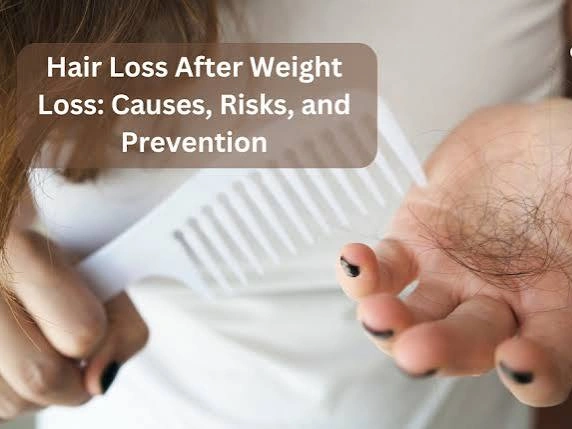
Losing excess weight can be an important health and lifestyle goal, but some people notice increased hair shedding after significant or rapid weight loss. Hair Loss Afeter Weight Loss can occur when the body experiences nutritional changes, reduced calorie intake, physical stress, or other factors that temporarily affect the normal hair-growth cycle. Understanding the underlying cause is important because hair loss after weight reduction is not always caused by the same factor in every individual.
At Viva Aesthetic Clinic, Dr. Deepam Shah provides dermatology and hair-care consultations focused on identifying the possible causes of hair concerns and developing personalized treatment plans. As a dermatologist, cosmetologist, and hair transplant surgeon with more than a decade of experience, Dr. Shah combines medical dermatology with hair-restoration expertise.
Why Can Hair Fall Happen After Weight Loss?
Hair follicles require adequate nutrition and a healthy internal environment to maintain normal growth. When someone loses weight rapidly, follows a restrictive diet, or significantly changes their eating pattern, the body may receive less protein, iron, vitamins, minerals, and overall energy.
The body may prioritize essential functions over processes such as hair production. As a result, more hair follicles can enter the resting or shedding phase. This type of temporary shedding is commonly associated with telogen effluvium.
Weight loss itself is not necessarily the only cause. Hair shedding may also be associated with:
- Very low-calorie diets
- Inadequate protein intake
- Iron deficiency
- Vitamin or mineral deficiencies
- Physical stress on the body
- Hormonal changes
- Thyroid-related conditions
- Illness or recovery from illness
- Emotional stress
- Existing genetic hair-loss conditions
Therefore, persistent or significant hair loss should be evaluated rather than automatically attributed to weight loss.
Understanding Telogen Effluvium After Weight Loss
Telogen effluvium is a type of temporary diffuse hair shedding that can occur after a physical or nutritional stressor. Significant weight loss or restrictive dieting can be one of the triggers.
Instead of losing hair only from one particular area, people may notice increased shedding across the scalp. Hair may be particularly noticeable on the pillow, while shampooing, brushing, or styling.
The timing can also be confusing. Hair shedding may become noticeable weeks or months after the triggering event rather than immediately after weight loss. This is one reason why a detailed medical and dietary history can be helpful during a dermatology consultation.
Is Hair Loss After Weight Loss Permanent?
In many cases, hair shedding associated with a temporary trigger can improve once the underlying factor is addressed. However, the outcome depends on the cause.
If nutritional deficiencies are contributing to shedding, correcting those deficiencies under medical supervision may help support normal hair growth. If hormonal or thyroid abnormalities are involved, appropriate medical management may be required.
Weight loss can also bring attention to an underlying genetic pattern of hair loss that was previously less noticeable. For this reason, a dermatologist should assess the scalp and hair pattern before deciding whether the shedding is temporary or associated with another condition.
How Is Hair Loss Evaluated?
A consultation with a Dermatologist in Mumbai can help determine why hair shedding has increased after weight loss. The assessment may include questions about:
- How quickly the weight was lost
- Changes in diet and calorie intake
- Daily protein consumption
- Duration and severity of hair shedding
- Family history of hair loss
- Recent illness or surgery
- Stress and sleep patterns
- Medications and supplements
- Menstrual or hormonal changes where relevant
- Existing medical conditions
- Previous hair treatments
Depending on the history and examination, a dermatologist may recommend appropriate blood tests or other investigations to look for nutritional, hormonal, or medical contributors.
Nutritional Support for Healthy Hair
Nutrition plays an important role in maintaining healthy hair. A balanced diet should provide adequate protein, calories, vitamins, minerals, and other nutrients.
Protein is particularly important because hair is primarily composed of keratin, a structural protein. Restrictive diets that significantly reduce protein intake may contribute to poor hair quality and increased shedding.
Iron deficiency is another possible contributor to hair loss in some individuals. However, iron or other supplements should not be taken simply because hair is falling. Supplementation should be based on medical assessment and, where appropriate, laboratory findings.
A dermatologist can help determine whether nutritional deficiencies are likely to be contributing to the problem and whether further evaluation is appropriate.
Treatment Options for Post-Weight-Loss Hair Loss
Treatment depends on the diagnosis. There is no single treatment that is appropriate for every person experiencing increased shedding after weight loss.
Correcting the Underlying Cause
If rapid dieting, inadequate nutrition, or a medical issue is contributing to hair loss, addressing the underlying factor is an important first step.
Medical Hair-Loss Treatments
Depending on the diagnosis, a dermatologist may recommend topical or oral medications, nutritional correction, scalp care, or other therapies. Treatment should be selected according to the individual’s condition rather than using a generalized hair-loss routine.
PRP Hair Treatment
Platelet-rich plasma, or PRP, is a minimally invasive hair treatment that uses components derived from the patient’s own blood. Viva Aesthetic Clinic offers PRP hair treatment as part of its hair-restoration services. The clinic’s published information explains that PRP is intended to support hair follicles and may be considered for selected patients experiencing hair thinning.
Hair Transplantation
Hair transplantation may be considered in appropriate patients with established areas of permanent hair loss. It is different from treatment for temporary shedding and is generally evaluated after understanding the cause and pattern of hair loss.
Dr. Deepam Shah has specific training in hair transplantation and has reported extensive experience in hair-restoration procedures. His profile identifies him as a dermatologist, cosmetologist, and hair transplant surgeon.
Why Choose Dr. Deepam Shah for Hair Loss Evaluation?
Dr. Deepam Shah is the founder of Viva Aesthetic Clinic and practices in South Mumbai. His qualifications include MBBS from the University of Bombay, DNB in Dermatology & Venereology from the University of Delhi, and FAM in Aesthetic Medicine, Hair Transplant, Dermatology and Cosmetology from ILAMED.
He has more than a decade of experience in skin and hair treatments. His areas of expertise include dermatology, dermatosurgery, medical cosmetology, laser treatments, hair transplantation, trichology, and aesthetic medicine. His clinic profile also reports more than 2,500 successful hair-transplant cases.
His approach emphasizes understanding the underlying cause of a patient’s concern before recommending treatment. This can be particularly relevant for people experiencing hair shedding after weight loss because nutritional, lifestyle, hormonal, medical, and genetic factors may need to be considered together.
Viva Aesthetic Clinic: Modern Hair and Skin Care
Viva Aesthetic Clinic is a 1,000-square-foot facility in South Mumbai equipped with modern lasers and medical devices. The clinic provides skin, hair, aesthetic, and hair-transplant services with Dr. Deepam Shah and qualified supporting professionals.
The clinic environment is designed around personalized treatment planning and modern technology. Patients can discuss their hair concerns, undergo appropriate evaluation, and understand available treatment options based on their individual condition.
People looking for a Dermatologist and Skin Specialist in Mumbai can consult Dr. Deepam Shah for professional evaluation of hair shedding, thinning, scalp concerns, and other dermatological conditions.
When Should You See a Dermatologist?
Consult a dermatologist if hair shedding continues for several weeks, becomes noticeably heavier, causes visible thinning, or is accompanied by scalp symptoms.
Professional evaluation is especially useful when hair loss follows rapid weight reduction, a restrictive diet, significant illness, or another major physical change. Early assessment can help identify potentially correctable factors and distinguish temporary shedding from progressive hair loss.
Book a Consultation with Dr. Deepam Shah
If you are experiencing Hair Loss Afeter Weight Loss, don’t assume that increased shedding is simply a normal consequence of losing weight. A detailed dermatological evaluation can help identify possible nutritional, hormonal, medical, lifestyle, or genetic contributors.
📞 93245 89084 | ☎️ 022 3573 1556
📧 clinicvivacosmetic@gmail.com
📍 Visit: Viva Aesthetic Clinic, Opera House or Colaba, Mumbai
Schedule your consultation with Dr. Deepam Shah to discuss your hair loss, understand its possible cause, and explore an individualized treatment approach.
Frequently Asked Questions
1. Why does hair fall after losing weight?
Hair shedding can occur after significant or rapid weight loss because of reduced calorie or protein intake, nutritional deficiencies, physical stress, hormonal changes, or other factors. A dermatologist can help identify the specific cause.
2. Is hair loss after weight loss reversible?
Some cases of temporary shedding may improve once the underlying trigger is corrected. However, recovery varies depending on the cause, nutritional status, genetics, and overall hair health.
3. Can PRP help with hair loss after weight loss?
PRP may be considered for selected patients with hair thinning. Viva Aesthetic Clinic offers PRP hair treatment, but suitability depends on the underlying diagnosis and the condition of the hair follicles.
4. Should I take hair supplements after losing weight?
Supplements should not be taken automatically. If a nutritional deficiency is suspected, a dermatologist or physician can recommend appropriate testing and supplementation based on the individual’s requirements.