
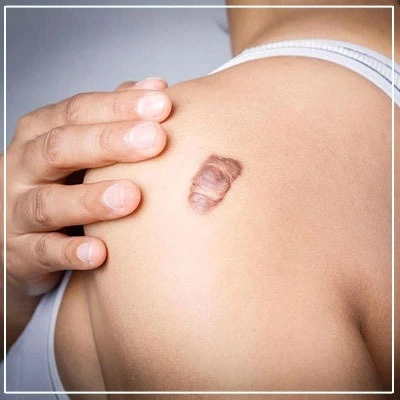
Raised scars can sometimes continue to grow beyond the original boundaries of an injury, piercing, surgical incision or skin wound. These scars, known as keloids, can be itchy, painful or simply noticeable and may affect a person’s confidence. During my research into dermatological scar care in Mumbai, I found that Keloid treatment in South Mumbai involves several approaches depending on the size, location, age and behaviour of the scar. Dr. Deepam Shah at Viva Aesthetic Clinic provides dermatological and aesthetic consultations for patients seeking assessment and treatment of different skin concerns, including problematic scars.
What Is a Keloid Scar?
A keloid is a type of raised scar that develops when the body produces excessive collagen during the wound-healing process. Unlike a typical scar, which generally remains within the boundaries of the original injury, a keloid can extend beyond the initial wound.
Keloids can develop following relatively minor skin injuries, including:
- Surgical incisions
- Acne or chickenpox lesions
- Ear or body piercings
- Cuts and abrasions
- Burns
- Insect bites
- Vaccination sites
They may appear months after the original injury and can continue growing over time. Their colour may range from pink or red to darker brown depending on the individual’s skin tone and the age of the scar.
A keloid is usually benign, but it can cause itching, tenderness, pain or restricted movement when located close to a joint.
Keloid Treatment in South Mumbai: Why Early Assessment Matters
Keloid treatment in South Mumbai begins with identifying whether a raised scar is actually a keloid. Other conditions, including hypertrophic scars, can appear similar but behave differently.
A hypertrophic scar generally remains within the original wound margins and may become flatter with time. A keloid, in contrast, can grow beyond the wound’s original boundaries.
A dermatologist can assess the scar’s appearance, texture, size, location and history before recommending treatment. The treatment approach also depends on whether the keloid is new, stable, recurrent or actively growing.
Early consultation can be useful when a scar begins becoming increasingly raised, itchy, painful or larger.
What Causes Keloids?
The exact reason some people develop keloids while others do not is not completely understood. Genetic predisposition appears to play an important role. People with a personal or family history of keloids may have a higher tendency to develop them.
Skin injuries can trigger excessive collagen production in susceptible individuals. Keloids may occur after both major and minor injuries, meaning the severity of the original wound does not necessarily predict whether a keloid will develop.
Common locations include the chest, shoulders, upper back, neck and earlobes. Keloids can occur anywhere on the body where skin has been injured.
Dr. Deepam Shah: Qualifications and Clinical Experience
Dr. Deepam Shah is a dermatologist and aesthetic physician associated with Viva Aesthetic Clinic. His professional profile describes him as a trained dermatology specialist with experience in clinical dermatology and aesthetic medicine.
His practice encompasses the evaluation and management of a broad range of skin and hair concerns. The clinic’s published information describes a patient-focused approach in which treatment is selected according to individual skin characteristics and clinical requirements.
Dr. Deepam Shah’s experience includes both medical dermatology and aesthetic treatments. His areas of practice include acne, pigmentation, hair concerns, skin rejuvenation, anti-ageing procedures and other dermatological conditions.
Patients searching for a Skin Specialist in Mumbai can seek a professional assessment when a scar changes in appearance, becomes symptomatic or raises concerns about its long-term management.
Dr. Deepam Shah’s Dermatology Expertise
A dermatologist can distinguish between different types of scars and determine whether treatment is necessary. Dr. Deepam Shah’s clinical practice includes dermatological assessment and aesthetic procedures for a range of skin conditions.
For patients with keloids, treatment decisions depend on factors such as scar size, thickness, location, symptoms and previous treatments. A history of recurrence is also important because keloids can return after treatment.
For individuals looking for a Dermatologist in Mumbai, a consultation can provide an opportunity to discuss whether a raised scar represents a keloid, hypertrophic scar or another skin condition.
Treatment Options for Keloid Scars
There is no single treatment that works equally well for every keloid. Dermatologists may use one or more approaches depending on the individual case.
Intralesional Steroid Injections
Corticosteroid injections directly into the keloid can help reduce inflammation and may gradually flatten the scar. Multiple sessions are often required, with treatment intervals determined by the dermatologist.
Silicone-Based Treatments
Silicone sheets or gels may be recommended for selected scars. Silicone can help maintain hydration of the scar tissue and may reduce the prominence of some raised scars over time.
Cryotherapy
Cryotherapy uses controlled freezing to treat selected keloids. It may be used alone or alongside other treatments, particularly for smaller lesions.
Laser Treatment
Certain laser technologies may be used to improve the colour, texture or vascularity of a scar. Laser therapy may be combined with other treatments depending on the scar’s characteristics.
Surgical Removal
Surgical excision can physically remove a keloid. However, surgery alone can have a significant recurrence risk because the new surgical wound may trigger another keloid. For this reason, additional treatment may be recommended following or alongside excision.
Benefits and Limitations of Keloid Treatment
Potential benefits of Keloid treatment in South Mumbai include reducing the size, thickness, redness or symptoms of a keloid. Treatment may also improve comfort when itching or pain is present and can make the scar less noticeable.
However, keloids can be difficult to treat because they have a tendency to recur. Complete removal does not always mean permanent resolution. The likelihood of recurrence varies according to the individual and the treatment used.
Patients should therefore have realistic expectations. The objective may be to flatten the scar, reduce symptoms and improve its appearance rather than guarantee complete and permanent removal.
Clinic Environment at Viva Aesthetic Clinic
Viva Aesthetic Clinic provides dermatological and aesthetic services in South Mumbai. The clinic environment is designed for personalised consultation and treatment planning across skin, hair and aesthetic concerns.
A private dermatology consultation can be particularly helpful for patients who are concerned about visible scars. During the consultation, the dermatologist can review the history of the scar, previous treatments and any associated symptoms.
The clinic also provides a range of aesthetic dermatology services, allowing treatment plans to be considered in the context of the patient’s overall skin health rather than focusing solely on appearance.
What to Expect During a Consultation
A keloid consultation generally begins with a clinical examination of the scar. The dermatologist may ask when the scar developed, what caused the original injury and whether it has changed in size or symptoms.
Previous treatments are also relevant. Patients should mention steroid injections, surgery, laser treatment, silicone products or other therapies previously attempted.
The doctor can then explain available options and discuss the likely number of sessions, potential side effects and expected changes in the scar.
Treatment is generally planned gradually because aggressive intervention is not always appropriate for every keloid.
Preventing Keloids After Skin Injury
People who are prone to keloids should inform their doctor before elective surgery, piercing or other procedures that involve skin injury. Preventive strategies may sometimes be considered for high-risk individuals.
After an injury or surgery, following wound-care instructions carefully can support normal healing. Patients should avoid unnecessary trauma to healing skin and seek medical advice if the scar begins becoming unusually thick or raised.
If someone has previously developed a keloid, this history should be disclosed before future procedures so preventive measures can be discussed.
Frequently Asked Questions
1. Can keloids be completely removed?
Keloids can often be reduced or flattened, but there is no guarantee that treatment will permanently eliminate them. Recurrence is possible, particularly after surgical removal. Dermatologists may combine different treatments to reduce the risk of recurrence.
2. Are keloids dangerous?
Keloids are generally benign and are not cancerous. However, they can cause itching, pain, tenderness or restricted movement depending on their size and location. A dermatologist can evaluate any scar that is changing or causing symptoms.
3. Is keloid treatment painful?
The level of discomfort depends on the treatment. Some procedures, such as injections or cryotherapy, can cause temporary discomfort. A dermatologist can explain pain-management options and what to expect before treatment.
4. How many sessions are required for keloid treatment?
The number of sessions varies according to the size, location, thickness and response of the keloid. Some treatments require multiple appointments, and combination therapy may be recommended for recurrent or resistant scars.
Consult Dr. Deepam Shah for Keloid Care
Choosing a specialist for Keloid treatment in South Mumbai involves understanding the type of scar, available treatment options, recurrence risk and the importance of individualised care. Dr. Deepam Shah at Viva Aesthetic Clinic provides dermatological assessment for a range of skin concerns and can evaluate raised or problematic scars.
A consultation can help determine whether a scar is a keloid and whether medical, procedural or combination treatment is appropriate.
For appointments and enquiries:
📞 +91 93245 89084 | 022 3573 1556
📧 clinicvivacosmetic@gmail.com
Get Directions to the Clinic: Viva Aesthetic Clinic, Mumbai
If you have a raised, itchy, painful or enlarging scar and are considering Keloid treatment in South Mumbai, contact Dr. Deepam Shah‘s clinic to schedule a dermatological consultation. The assessment can help identify the type of scar and discuss suitable treatment options based on its characteristics and your individual needs.