
Gynecological conditions such as fibroids, endometriosis, ovarian cysts, heavy menstrual bleeding, pelvic pain, and uterine disorders can sometimes require surgical treatment. While traditional open surgery involves a larger incision and a longer recovery period, modern minimally invasive techniques have transformed the way many gynecological procedures are performed.
Laparoscopy, also known as keyhole surgery, allows surgeons to perform selected procedures through small incisions using specialised instruments and a camera. This approach may offer benefits such as smaller scars, reduced post-operative discomfort, shorter hospital stays, and faster recovery when compared with conventional open surgery.
If you are considering laparoscopic surgery in vile parle, consulting an experienced gynecological surgeon can help you understand whether a minimally invasive approach is suitable for your condition.
At Kirit Nursing Home, Dr. Maitreyee Parulekar provides specialised care in laparoscopic and minimally invasive gynecological procedures, with a focus on precision, patient safety, and personalised treatment planning.
What Is Laparoscopic Gynecological Surgery?
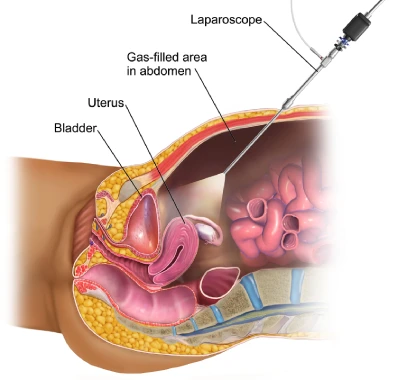
Laparoscopic surgery is a minimally invasive surgical technique performed through small incisions in the abdomen. A specialised camera called a laparoscope is inserted through one of the small openings, allowing the surgeon to view the internal organs on a high-definition monitor.
Additional small incisions may be used to insert specialised surgical instruments. The surgeon can then perform the required procedure with greater visual precision while avoiding the larger incision typically associated with open surgery.
Depending on the patient’s condition, laparoscopic techniques may be used for procedures involving:
- Uterine fibroids
- Endometriosis
- Ovarian cysts
- Hysterectomy
- Pelvic adhesions
- Chronic pelvic pain
- Adenomyosis
- Certain fertility-related conditions
- Selected gynecological cancers
The suitability of laparoscopy depends on the patient’s diagnosis, medical history, the complexity of the condition, and the planned procedure.
How Is Laparoscopic Surgery Performed?
Laparoscopic surgery is generally performed under general anaesthesia. The surgeon makes a few small incisions in the abdomen and inserts a camera to obtain a clear view of the pelvic organs.
Specialised instruments are then used to perform the procedure. Depending on the type of surgery, tissue may be removed or treated through the small incisions or through a natural opening.
For example, during a laparoscopic hysterectomy, the uterus is carefully separated using minimally invasive instruments and may be removed through the vagina or in smaller portions when clinically appropriate.
The duration of surgery can vary depending on the complexity of the condition and the type of procedure being performed.
Conditions That May Be Treated with Laparoscopic Surgery
Laparoscopic techniques can be considered for a variety of gynecological conditions.
Uterine Fibroids
Fibroids are non-cancerous growths that can cause heavy menstrual bleeding, pelvic pressure, pain, or fertility concerns. In selected cases, laparoscopic surgery may be used to remove fibroids while preserving the uterus.
Endometriosis
Endometriosis occurs when tissue similar to the lining of the uterus grows outside the uterus. It may cause pelvic pain, painful periods, and fertility problems. Laparoscopic surgery may help diagnose and treat selected cases of endometriosis.
Ovarian Cysts
Some ovarian cysts may require surgical treatment, particularly when they are large, persistent, symptomatic, or suspicious. Laparoscopic techniques may be considered depending on the nature of the cyst.
Laparoscopic Hysterectomy
A laparoscopic hysterectomy involves removing the uterus using minimally invasive techniques. It may be considered for conditions such as severe fibroids, persistent heavy bleeding, adenomyosis, endometriosis, uterine prolapse, or selected cancer-related conditions.
Pelvic Adhesions
Adhesions are bands of scar tissue that may develop after previous surgery, infection, or conditions such as endometriosis. In selected cases, laparoscopic adhesiolysis may be performed to release these adhesions.
Advantages of a Minimally Invasive Approach
One of the main reasons many patients consider laparoscopy is the potential for a smoother recovery compared with traditional open surgery.
Depending on the procedure and individual health condition, potential benefits may include:
- Smaller incisions
- Reduced visible scarring
- Less post-operative discomfort
- Lower blood loss in selected procedures
- Shorter hospital stay
- Faster return to daily activities
- Reduced recovery time
- Better visualisation of pelvic structures
However, every surgical procedure has potential risks and limitations. The most suitable approach should always be determined after a detailed consultation and clinical evaluation.
About Dr. Maitreyee Parulekar
Dr. Maitreyee Parulekar is a highly skilled gynecologist specialising in Gynecological Oncosurgery and Minimally Invasive Surgery, including laparoscopic and robotic techniques for benign and oncological conditions.
Her qualifications and advanced training include a Master’s degree in Obstetrics and Gynecology from KEM, MRCOG from the United Kingdom, and FMAS from MUHS. She has also completed a Fellowship in Gynecological Oncosurgery and Robotic Surgery from Seoul, South Korea, along with a Visiting Fellowship at Mount Sinai Hospital, Toronto.
She is also a Gold Medallist associated with GSMC and KEM Hospital and has developed extensive expertise in advanced gynecological surgery.
As a recognised Top Gynae Oncologist In Mumbai, Dr. Maitreyee Parulekar combines advanced surgical training with a patient-focused approach to women’s healthcare.
Her areas of expertise include:
- Laparoscopic hysterectomy
- Laparoscopic myomectomy
- Robotic gynecological surgery
- Gynecological cancer surgery
- Fertility-preserving surgery
- Endometriosis treatment
- Ovarian cyst surgery
- Hysteroscopic procedures
- Complex fibroid surgery
- Cervical cancer screening and management
Her international training and experience allow her to provide advanced treatment options for both routine and complex gynecological conditions.
Expertise in Advanced Laparoscopic and Robotic Surgery
Dr. Maitreyee Parulekar specialises in minimally invasive gynecological procedures and uses modern surgical approaches to manage complex women’s health conditions.
Her expertise extends beyond conventional laparoscopy to robotic-assisted surgery for selected benign and oncological cases.
As a Robotic Gynecologist In Vile Parle, Mumbai, she focuses on precision-based treatment planning and minimally invasive techniques whenever clinically appropriate.
Advanced surgical technologies can provide enhanced visualisation and improved access to complex pelvic areas. In selected cases, this may help surgeons perform delicate procedures with greater precision while minimising unnecessary trauma to surrounding tissues.
However, the choice between laparoscopic, robotic, and open surgery depends on the diagnosis, complexity of the condition, previous surgical history, and the patient’s overall health.
Personalised Care at Kirit Nursing Home
The experience surrounding surgery is just as important as the procedure itself. Patients often feel anxious when they are advised to undergo gynecological surgery, particularly when they are uncertain about the diagnosis, recovery period, or possible outcomes.
At Kirit Nursing Home, patients can receive personalised consultation and guidance regarding their gynecological concerns. Dr. Maitreyee Parulekar focuses on understanding the patient’s symptoms, reviewing diagnostic reports, and discussing suitable treatment options.
The care approach includes:
- Detailed clinical evaluation
- Review of diagnostic reports
- Personalised surgical planning
- Discussion of available treatment options
- Guidance regarding minimally invasive procedures
- Pre-operative preparation
- Post-operative care
- Follow-up and recovery guidance
A detailed consultation helps patients understand why a particular procedure may be recommended and what they can expect before, during, and after surgery.
Recovery After Laparoscopic Surgery
Recovery after laparoscopic surgery varies depending on the type of procedure performed and the individual patient’s health.
Many patients may experience less discomfort and a shorter recovery period compared with traditional open surgery. However, it is still important to allow the body adequate time to heal.
Following surgery, patients may experience temporary:
- Abdominal discomfort
- Mild swelling
- Fatigue
- Shoulder discomfort due to surgical gas
- Light vaginal bleeding, depending on the procedure
The surgeon may provide specific instructions regarding medication, wound care, physical activity, diet, and follow-up appointments.
Light activities may be resumed gradually depending on medical advice. Heavy lifting, strenuous exercise, and certain activities may need to be avoided until recovery is complete.
Who May Be a Suitable Candidate?
Laparoscopic surgery may be considered for women with specific gynecological conditions where a minimally invasive approach is clinically appropriate.
A detailed evaluation may consider:
- The underlying diagnosis
- Size and location of fibroids or cysts
- Severity of symptoms
- Previous surgeries
- Medical history
- Fertility concerns
- Presence of adhesions
- Overall health
Not every patient is suitable for laparoscopic surgery. In certain complex situations, open or robotic surgery may be more appropriate.
This is why an expert consultation is important before deciding on any surgical treatment.
Take the First Step Towards Advanced Gynecological Care
Persistent pelvic pain, heavy bleeding, fibroids, endometriosis, or other gynecological concerns should not be ignored. Early evaluation can help identify the underlying cause and determine the most suitable treatment plan.
For women searching for laparoscopic surgery in vile parle, Dr. Maitreyee Parulekar provides advanced consultation and minimally invasive treatment options based on individual clinical needs.
Book Your Consultation with Dr. Maitreyee Parulekar
Take an informed step towards better gynecological health with expert evaluation and personalised surgical guidance.
📞 Call: +91 72087 27500
📧 Email: info@drmaitreyeegynec.in
📍 Get directions to Kirit Nursing Home
Frequently Asked Questions
1. What is laparoscopic surgery in gynecology?
Laparoscopic surgery is a minimally invasive technique in which gynecological procedures are performed through small abdominal incisions using a camera and specialised surgical instruments. It may be used for conditions such as fibroids, endometriosis, ovarian cysts, and selected uterine conditions.
2. Is laparoscopic surgery safer than open surgery?
Laparoscopic surgery may offer advantages such as smaller incisions, reduced pain, and faster recovery in suitable patients. However, every surgery has potential risks, and the most appropriate approach depends on the patient’s condition and surgical complexity.
3. How long does recovery take after laparoscopic surgery?
Recovery varies according to the type of surgery performed. Some patients may return to light activities within a few days or weeks, while complete recovery can take longer. Your surgeon will provide personalised guidance based on the procedure.
4. Can fibroids and endometriosis be treated with laparoscopy?
Yes, selected cases of fibroids and endometriosis can be treated using laparoscopic techniques. The suitability of surgery depends on the size, location, severity, and complexity of the condition, as well as the patient’s individual treatment goals.