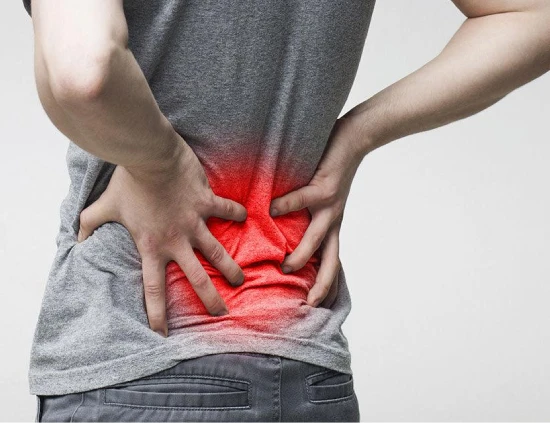
Lower back pain is one of the most common musculoskeletal complaints and can affect people across different age groups. It may result from muscle strain, poor posture, prolonged sitting, a slipped or herniated disc, spinal stenosis, degenerative disc disease or other spinal conditions. While many episodes improve with conservative care, persistent, severe or recurring pain may require a detailed medical evaluation. Lower back pain treatment in Mumbai at Synapse Spine focuses on identifying the underlying cause before selecting an appropriate treatment approach.
Common Causes of Lower Back Pain
The lower back, or lumbar region, supports much of the body’s weight and is involved in everyday activities such as walking, bending, lifting and sitting. Several factors can contribute to pain in this area.
According to Synapse Spine, common causes include:
- Muscle strain or sprain following excessive physical activity or sudden movement
- Herniated or slipped discs that may compress nearby nerves
- Degenerative disc disease associated with changes in spinal discs over time
- Spinal stenosis, which involves narrowing of the spinal canal
- Scoliosis or abnormal curvature of the spine
- Osteoarthritis affecting spinal joints
Poor posture, incorrect lifting techniques and a sedentary lifestyle may also contribute to lower-back discomfort.
Symptoms That Should Not Be Ignored
Lower back pain does not always feel the same. Some people experience a dull ache or stiffness, while others may have sharper pain that extends from the back toward the buttocks or legs.
Possible symptoms include:
- Localised aching or discomfort
- Pain radiating into the buttocks or legs
- Tingling or numbness
- Muscle weakness
- Stiffness
- Difficulty bending or twisting
- Reduced range of movement
- Persistent or recurring pain
- Postural changes
Pain accompanied by neurological symptoms such as weakness, significant numbness or difficulty walking should be medically assessed rather than managed only at home.
Lower back pain treatment in Mumbai: How Is the Condition Diagnosed?
An accurate diagnosis is an important first step because lower back pain can have multiple causes. During a consultation, the spine specialist may review symptoms, medical history and physical findings before deciding whether imaging or other investigations are necessary.
Depending on the suspected condition, diagnostic tests may include:
X-ray: X-rays can help assess bone alignment and identify certain problems such as arthritis or fractures.
MRI or CT scan: These imaging methods can provide detailed information about discs, nerves, muscles, ligaments and bones. MRI is particularly useful when conditions such as herniated discs or nerve compression are suspected.
Nerve conduction studies or EMG: These tests can provide information about nerve function and may help identify nerve compression associated with conditions such as disc problems or spinal stenosis.
In selected cases, additional investigations such as bone scans may be considered.
Non-Surgical Treatment Options
Surgery is not required for every person with back pain. Treatment depends on the cause, severity and duration of symptoms.
Medication
Pain relievers, anti-inflammatory medicines and muscle relaxants may be prescribed or recommended when clinically appropriate. Medication should be taken according to a qualified medical professional’s advice, particularly when symptoms are persistent.
Heat and Cold Therapy
Heat packs or cold compresses can provide temporary relief for some types of lower-back discomfort. The appropriate approach may depend on the cause and stage of the pain.
Physiotherapy and Rehabilitation
Physiotherapy is an important component of conservative spine care. A targeted programme may include exercises designed to strengthen the core, improve flexibility, address movement patterns and improve ergonomics.
The goal is not simply to reduce pain temporarily but also to support functional recovery and help patients return to everyday activities.
When Is Spine Surgery Considered?
When conservative treatment does not adequately address symptoms, or when a structural spinal problem is causing significant nerve compression or other complications, surgery may be considered.
The appropriate operation depends entirely on the underlying diagnosis. Procedures listed by Synapse Spine include lumbar discectomy, lumbar decompression or laminectomy, lumbar fusion, artificial disc replacement, foraminotomy, microdiscectomy, vertebroplasty and kyphoplasty.
Surgery should not be selected solely because pain has continued for a certain period. A spine specialist generally considers imaging findings alongside symptoms, neurological examination and the patient’s overall health.
Minimally Invasive and Endoscopic Spine Care
Synapse Spine lists keyhole or endoscopic spine surgery and minimally invasive spine surgery among its surgical services. These approaches use smaller access points for selected spinal conditions and are considered when the patient’s diagnosis and anatomy make them appropriate.
However, minimally invasive surgery is not suitable for every spinal disorder. The choice of technique should be based on the condition being treated and the surgeon’s assessment.
Meet the Synapse Spine Surgeons
Synapse Spine has a multidisciplinary team comprising orthopaedic spine surgeons, neurospine surgeons, a brain and spine surgeon, neurosurgeons and a pain-management specialist. The centre states that its surgeons have been trained at leading medical institutions and focus on evidence-based, patient-centred spine care.
Dr. Nandan Marathe, Orthopaedic Spine Surgeon, completed his MBBS and MS Orthopaedics at KEM Hospital, Mumbai. He subsequently undertook advanced fellowship training in complex spine surgery and deformity at the University of Toronto, along with training in spinal tumours, minimally invasive and endoscopic spine surgery. His profile also records AOSpine and Indo-American Spine Alliance fellowship training.
Dr. Anuj Bhide, Brain & Spine Surgeon, holds MBBS, MS General Surgery and MCh Neurosurgery qualifications. He is a gold medallist from Grant Medical College and JJ Hospitals and completed a fellowship in skull-base and vascular surgery at Fujita Health University, Japan. His expertise includes brain and spine surgery, endoscopic procedures, complex tumours, aneurysm surgery and minimally invasive procedures.
The wider Synapse Spine team also includes Dr. Ajit Mishra, Dr. Aditya Raj, Dr. Abhishek Kulkarni, Dr. Medha Vyas, Dr. Kunal S. Singh, Dr. Sushant Nadkarni and Dr. Falgun Yadav Dhawale, with specialisations spanning neurospine, orthopaedic spine surgery, neurosurgery and spine pain management.
Clinic Environment and Patient-Centred Spine Care
Synapse Spine describes its approach as combining modern technology, clinical expertise and patient-centred care. Its network includes clinics across several Mumbai locations, including Chembur, Mumbai Central, Bandra, Vile Parle, Andheri, Goregaon, Malad, Borivali, Mira Road, Vasai and Virar.
For someone researching a Top Spine Specialist in Mumbai, India, factors such as specialist training, experience with the specific spinal condition, diagnostic facilities and access to both non-surgical and surgical treatment options can be useful when choosing a centre.
Preventing Recurring Lower Back Pain
Once serious spinal causes have been excluded, maintaining healthy movement can help support the lower back. Depending on individual needs, a physiotherapist or spine specialist may recommend core-strengthening exercises, flexibility work and ergonomic modifications.
Simple measures such as avoiding prolonged sitting, using appropriate lifting techniques, maintaining a healthy weight and gradually returning to physical activity can also support spinal health.
People with recurring pain should avoid repeatedly self-medicating without determining the underlying cause. A proper diagnosis is particularly important when pain continues, interferes with daily activities or is accompanied by neurological symptoms.
FAQs
1. What are the most common causes of lower back pain?
Common causes include muscle strain, herniated discs, degenerative disc disease, spinal stenosis, scoliosis and osteoarthritis. Poor posture, improper lifting and sedentary habits may also contribute.
2. Does every case of lower back pain require an MRI?
No. Imaging is not automatically required for every episode of back pain. A doctor may recommend an MRI or CT scan when the symptoms, examination or suspected underlying condition indicate that detailed imaging would be useful.
3. Can physiotherapy help with lower back pain?
Physiotherapy can be an important part of treatment for appropriate patients. Synapse Spine describes targeted rehabilitation focused on core strengthening, ergonomics and non-invasive management.
4. When might surgery be recommended?
Surgery may be considered for selected spinal conditions when conservative treatment is insufficient or when a structural problem requires surgical correction. The specific procedure depends on the diagnosis, imaging findings and clinical assessment.
Consult Synapse Spine
If you are looking for Lower back pain treatment in Mumbai, a consultation with the Synapse Spine team can help identify the possible source of your symptoms and determine whether conservative care, rehabilitation, injections or surgery may be appropriate.
📞 +91 81698 45056 | +91 93726 71858 | +91 93211 24611
📧 synapsespine@gmail.com
Get Directions to the Clinic – Synapse Spine, Mumbai