
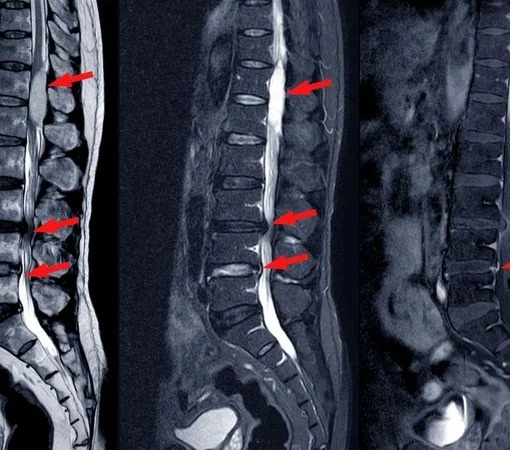
Persistent lower back pain, leg numbness, tingling, or difficulty walking may be signs of lumbar spinal stenosis, a condition that develops when the spinal canal narrows and compresses the nerves in the lower back. If left untreated, it can interfere with mobility, daily activities, and overall quality of life. Seeking Lumbar spine stenosis treatment in Mumbai from experienced spine specialists is essential for accurate diagnosis and effective management.
At Synapse Spine, patients receive comprehensive evaluation and personalized treatment from highly experienced Synapse Spine surgeons. Combining advanced diagnostic techniques, evidence-based treatment protocols, and minimally invasive spine surgery when appropriate, the team is dedicated to helping patients achieve long-term pain relief and improved spinal function.
Whether your symptoms are mild or severe, early intervention can help prevent disease progression and restore mobility.
Why Choose Lumbar Spine Stenosis Treatment in Mumbai?
Lumbar spine stenosis treatment in Mumbai focuses on relieving pressure on the spinal nerves while improving function and reducing pain. Treatment is individualized based on the severity of nerve compression, symptoms, overall health, and lifestyle.
Benefits of timely treatment include:
- Reduced lower back pain
- Relief from leg pain and numbness
- Improved walking ability
- Better balance and mobility
- Prevention of nerve damage
- Enhanced quality of life
- Personalized treatment planning
The goal is to relieve nerve compression while preserving spinal stability and function.
Meet the Synapse Spine Surgeons
The Synapse Spine surgeons are highly qualified spine specialists with extensive expertise in diagnosing and treating complex spinal disorders. Their multidisciplinary approach combines clinical excellence, modern technology, and compassionate patient care.
Outstanding Qualifications
The surgeons at Synapse Spine have completed advanced medical education and specialized training in Orthopaedic Spine Surgery and Neurosurgery, with further expertise in minimally invasive spine procedures, endoscopic spine surgery, spinal deformity correction, and complex spinal reconstruction.
They regularly participate in national and international conferences, research activities, and advanced training programs to remain updated with the latest developments in spine care.
Extensive Clinical Experience
The Synapse Spine team has successfully treated thousands of patients suffering from various spinal conditions.
Their expertise includes:
- Lumbar spinal stenosis
- Cervical spine disorders
- Herniated disc
- Sciatica
- Degenerative spine disease
- Spinal fractures
- Spondylolisthesis
- Spinal deformities
- Endoscopic spine surgery
- Minimally invasive spine surgery
- Revision spine surgery
Every patient receives a treatment plan tailored to their specific diagnosis and functional needs.
Understanding Lumbar Spine Stenosis
Lumbar spinal stenosis occurs when the spinal canal narrows, placing pressure on the nerves that travel through the lower spine.
Common causes include:
- Age-related degeneration
- Disc bulging
- Thickened ligaments
- Bone spurs
- Arthritis
- Congenital narrowing of the spinal canal
- Previous spinal injury
The condition usually develops gradually and becomes more noticeable over time.
Common Symptoms
Symptoms vary depending on the severity of nerve compression.
Patients may experience:
- Lower back pain
- Pain radiating into the legs
- Numbness or tingling
- Muscle weakness
- Difficulty walking long distances
- Leg heaviness
- Relief when bending forward or sitting
- Balance problems
If symptoms progressively worsen, prompt evaluation by a spine specialist is recommended.
Comprehensive Diagnosis
The Synapse Spine team performs a detailed evaluation before recommending treatment.
Assessment includes:
- Complete medical history
- Neurological examination
- Physical assessment
- MRI scan
- CT scan (when required)
- X-rays
- Functional assessment
A precise diagnosis helps determine the most effective treatment strategy.
Non-Surgical Treatment Options
Many patients improve without surgery.
Conservative treatment may include:
- Activity modification
- Physiotherapy
- Core strengthening exercises
- Anti-inflammatory medications
- Pain management
- Epidural steroid injections
- Lifestyle modifications
Patients are closely monitored to evaluate symptom improvement and functional recovery.
Minimally Invasive Spine Surgery
When conservative treatment fails or neurological symptoms progress, surgery may be recommended.
The Synapse Spine surgeons specialize in minimally invasive spine procedures that offer several advantages over traditional open surgery.
Benefits include:
- Smaller incisions
- Less muscle damage
- Reduced blood loss
- Less postoperative pain
- Faster recovery
- Shorter hospital stay
- Earlier return to daily activities
The choice of surgical procedure depends on the patient’s spinal anatomy and severity of stenosis.
Surgical Procedures for Lumbar Spine Stenosis
Depending on the condition, treatment may include:
Lumbar Decompression Surgery
Removes the structures compressing the spinal nerves while preserving spinal stability whenever possible.
Laminectomy
Creates additional space within the spinal canal by removing part of the vertebral bone.
Endoscopic Spine Surgery
Uses specialized instruments and high-definition visualization through very small incisions to decompress affected nerves with minimal tissue disruption.
Spinal Fusion (When Required)
Recommended only in selected patients where spinal instability coexists with stenosis.
Personalized Spine Care
Every patient undergoes an individualized consultation.
The Synapse Spine surgeons evaluate:
- Severity of symptoms
- MRI findings
- Neurological status
- Lifestyle
- Occupation
- Medical history
- Functional goals
Patients receive detailed counseling regarding treatment options, expected outcomes, rehabilitation, and long-term spine care.
Advanced Spine Care Environment
Synapse Spine offers a modern, patient-focused environment equipped with advanced technology for comprehensive spine diagnosis and treatment.
Patients benefit from:
- State-of-the-art imaging facilities
- Modern operation theatres
- Advanced endoscopic spine equipment
- Dedicated rehabilitation support
- Personalized physiotherapy
- Experienced nursing staff
- Comprehensive postoperative follow-up
The clinic emphasizes patient safety, precision, and evidence-based treatment protocols.
Why Choose Synapse Spine?
Patients trust Synapse Spine because of its:
- Experienced Synapse Spine surgeons
- Expertise in minimally invasive and endoscopic spine surgery
- Personalized treatment planning
- Advanced diagnostic facilities
- Multidisciplinary approach
- Ethical patient care
- Comprehensive rehabilitation
- Commitment to long-term outcomes
As a center led by Top Spine Specialist in Mumbai, India, Synapse Spine is dedicated to helping patients regain mobility and improve their quality of life.
Schedule Your Spine Consultation Today
If you are experiencing persistent lower back pain, leg numbness, or walking difficulties, don’t delay seeking expert care. Early diagnosis can help prevent worsening nerve compression and improve treatment outcomes.
Contact Synapse Spine
📞 +91 81698 45056 | +91 93726 71858 | +91 93211 24611
📧 synapsespine@gmail.com
Get Directions to the Clinic – Synapse Spine, Mumbai
Book your consultation with the Synapse Spine surgeons today. Contact Synapse Spine to receive expert evaluation, personalized treatment, and advanced Lumbar spine stenosis treatment in Mumbai designed to restore your mobility, reduce pain, and improve your overall spinal health.
Frequently Asked Questions
1. What is lumbar spinal stenosis?
Lumbar spinal stenosis is the narrowing of the spinal canal in the lower back, which compresses the spinal nerves and may cause back pain, leg pain, numbness, weakness, and difficulty walking.
2. Is surgery always necessary for lumbar spinal stenosis?
No. Many patients improve with physiotherapy, medications, lifestyle changes, and pain management. Surgery is usually considered when symptoms persist despite conservative treatment or when there is significant nerve compression or weakness.
3. What are the advantages of minimally invasive spine surgery?
Minimally invasive spine surgery typically involves smaller incisions, less muscle damage, reduced postoperative pain, shorter hospital stays, quicker recovery, and faster return to normal activities compared to traditional open surgery.
4. How can I book an appointment at Synapse Spine?
You can schedule a consultation by calling +91 81698 45056 or emailing synapsespine@gmail.com to discuss your symptoms and receive a comprehensive spine evaluation.