
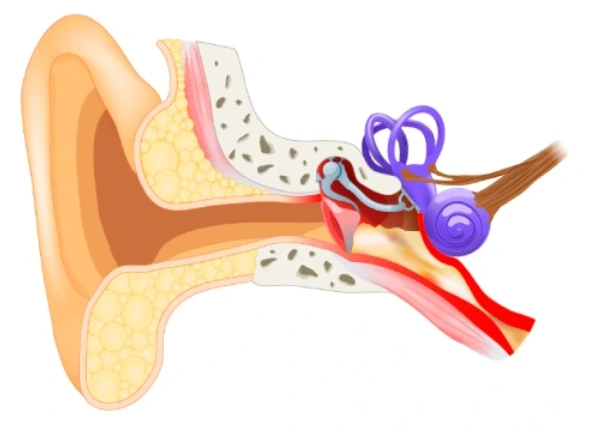
Middle ear infections, medically known as otitis media, are among the most common ear conditions affecting both children and adults. While many acute infections resolve with timely medical care, recurrent or chronic otitis media can lead to hearing loss, persistent ear discharge, balance issues, and complications if left untreated. Early diagnosis by an experienced ENT specialist is essential to prevent long-term damage and restore ear health.
If you are searching for Otitis media treatment in Mumbai, consulting an experienced ENT surgeon can help identify the underlying cause and provide personalized treatment based on the severity and type of infection. At Kokilaben Dhirubhai Ambani Hospital, Dr. Shama Kovale offers comprehensive evaluation and advanced treatment options for acute, recurrent, and chronic middle ear infections using evidence-based ENT practices.
Understanding Otitis Media Treatment in Mumbai
Otitis media treatment in Mumbai involves diagnosing and managing infections or inflammation of the middle ear. Depending on the condition, treatment may include medications, hearing assessment, ear cleaning, or surgery for chronic or complicated cases.
There are several forms of otitis media:
Acute Otitis Media
A sudden bacterial or viral infection causing pain, fever, and temporary hearing loss.
Otitis Media with Effusion
Fluid remains trapped behind the eardrum after an infection without active bacterial infection.
Chronic Suppurative Otitis Media
A long-standing middle ear infection associated with recurrent ear discharge and possible eardrum perforation.
Each condition requires careful evaluation by an ENT specialist before selecting the most appropriate treatment.
Common Symptoms of Otitis Media
Symptoms vary depending on age and severity.
Adults may experience:
- Ear pain
- Reduced hearing
- Ear fullness
- Ear discharge
- Ringing in the ears
- Fever
- Dizziness
- Balance problems
Children may also present with:
- Irritability
- Pulling at the ear
- Difficulty sleeping
- Poor feeding
- Crying excessively
- Fever
Persistent symptoms should always be evaluated promptly.
Causes and Risk Factors
Otitis media commonly develops when the Eustachian tube becomes blocked, allowing fluid accumulation inside the middle ear.
Contributing factors include:
- Viral upper respiratory infections
- Bacterial infections
- Allergies
- Enlarged adenoids
- Sinus infections
- Smoking exposure
- Weakened immunity
- Structural abnormalities
- Frequent colds in children
Understanding the underlying cause helps guide long-term management.
Diagnosis
Accurate diagnosis is essential for selecting the correct treatment approach.
Evaluation may include:
- Detailed medical history
- Ear examination using an otoscope
- Microscopic ear examination
- Tympanometry
- Pure tone audiometry (hearing test)
- Endoscopic nasal examination when indicated
- Imaging studies for complex or chronic infections
These investigations help determine the extent of infection and hearing involvement.
Treatment Options
Treatment depends on the type, duration, and severity of otitis media.
Medical Therapy
Management may include:
- Appropriate antibiotics when indicated
- Pain-relieving medications
- Anti-inflammatory medicines
- Nasal decongestants in selected cases
- Allergy management when relevant
Ear Cleaning
Professional microscopic ear cleaning may be recommended in patients with chronic discharge.
Myringotomy with Grommet Insertion
Small ventilation tubes are inserted into the eardrum for persistent fluid accumulation or recurrent infections.
Tympanoplasty
Repair of a perforated eardrum is recommended when chronic infection has caused damage.
Mastoid Surgery
In advanced or complicated infections involving the mastoid bone, surgery may be necessary.
Treatment is individualized after a comprehensive ENT evaluation.
Benefits of Early Treatment
Seeking timely medical attention offers several advantages:
- Relief from ear pain
- Prevention of hearing loss
- Reduced risk of chronic infection
- Improved quality of life
- Restoration of middle ear function
- Reduced recurrence
- Prevention of complications affecting nearby structures
Early intervention often results in faster recovery and better long-term hearing outcomes.
Benefits and Possible Risks
Benefits
- Accurate diagnosis
- Personalized treatment planning
- Improved hearing
- Relief from persistent symptoms
- Prevention of recurrent infections
- Long-term ear health
Possible Risks
If left untreated, otitis media may lead to:
- Permanent hearing loss
- Eardrum perforation
- Chronic ear discharge
- Cholesteatoma
- Mastoid infection
- Balance disorders
- Rare intracranial complications
Most treatment procedures themselves carry minimal risks when performed by experienced ENT surgeons.
Approximate Treatment Cost
The cost of treatment depends on:
- Type of ear infection
- Diagnostic investigations
- Need for hearing assessment
- Medical versus surgical treatment
- Hospital charges
- Individual treatment plan
A consultation is required to determine the most appropriate management and associated costs.
Precautions Before and After Treatment
Before Treatment
- Avoid inserting objects into the ear.
- Report previous ear surgeries.
- Inform the doctor about allergies and medications.
- Complete recommended hearing tests if advised.
After Treatment
- Keep the ear dry if instructed.
- Complete the prescribed medication course.
- Attend scheduled follow-up visits.
- Avoid self-medication.
- Protect the ear from contaminated water during healing.
- Report persistent pain or discharge immediately.
Following medical advice improves recovery and minimizes recurrence.
Meet Dr. Shama Kovale
Patients seeking expert ear care often look for an experienced ENT Specialist in Mumbai with expertise in both medical and surgical management of complex ENT conditions.
Dr. Shama Kovale is a highly qualified ENT Doctor in Mumbai with extensive experience in diagnosing and treating disorders of the ear, nose, throat, head, and neck. She specializes in the management of middle ear infections, hearing disorders, sinus diseases, vertigo, nasal conditions, voice disorders, and advanced endoscopic ENT surgeries. With years of clinical expertise and continuous training in modern ENT techniques, she provides evidence-based treatment tailored to each patient’s condition.
She practices at Kokilaben Dhirubhai Ambani Hospital, a leading tertiary care center equipped with advanced diagnostic facilities, modern operation theatres, audiology services, endoscopic equipment, and multidisciplinary medical support. Patients benefit from a clean, technologically advanced, and patient-centered clinical environment focused on safety, accurate diagnosis, and personalized treatment planning.
Why Choose Dr. Shama Kovale?
Patients choose Dr. Shama Kovale for comprehensive ENT care because of:
- Expertise in ear disorders and middle ear surgery
- Advanced endoscopic ENT techniques
- Personalized treatment plans
- Modern diagnostic facilities
- Hearing assessment services
- Patient-centered approach
- Evidence-based treatment protocols
- Comprehensive postoperative follow-up
Contact Dr. Shama Kovale
📞 +91 91528 50769
📧 drshamakovaleent@gmail.com
Get Directions to the Clinic – Kokilaben Dhirubhai Ambani Hospital
Persistent ear pain, hearing loss, or recurrent ear infections should never be ignored. Schedule a consultation with Dr. Shama Kovale for a detailed ENT evaluation and a personalized treatment plan based on your specific condition.
Frequently Asked Questions
1. What is the most common cause of otitis media?
Otitis media usually develops following viral or bacterial upper respiratory infections that block the Eustachian tube and lead to fluid buildup in the middle ear.
2. Can adults develop otitis media?
Yes. Although it is more common in children, adults can also develop acute or chronic middle ear infections requiring specialist evaluation.
3. Is surgery always required for otitis media?
No. Most cases respond to medical treatment. Surgery is generally reserved for recurrent infections, persistent fluid, eardrum perforation, or complications.
4. Can untreated otitis media affect hearing?
Yes. Chronic or recurrent middle ear infections can result in temporary or permanent hearing loss if not diagnosed and treated appropriately.