
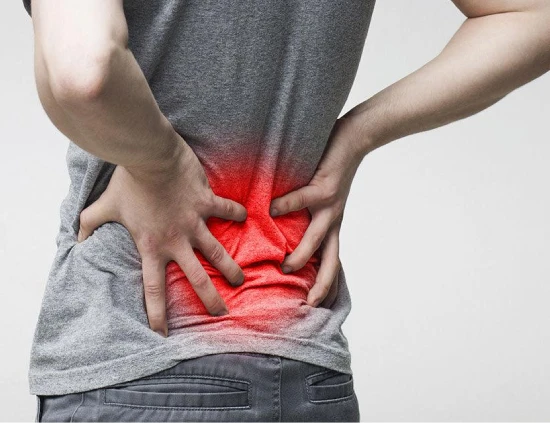
During my review of common spine-related concerns among women, Pain in lower back in females emerged as an important issue that can affect work, household responsibilities, exercise, sleep and overall quality of life. Lower back pain may develop from spinal conditions such as slipped or bulging discs, spinal stenosis, arthritis and scoliosis, but women may also have additional risk factors, including post-menopausal bone loss, prolonged standing, physically demanding activities and reduced core strength. Identifying the underlying cause is essential because treatment depends on whether the pain comes from muscles, joints, discs, nerves or another condition.
What Causes Pain in Lower Back in Females?
Lower back pain does not have a single cause. It can range from temporary muscular strain to a structural spinal condition requiring specialist evaluation.
Common causes include:
Herniated or bulging discs: A disc that protrudes or herniates can irritate or compress nearby nerves. This may cause lower back pain and, in some cases, pain radiating into the buttocks or legs.
Spinal stenosis: Narrowing of the spinal canal can place pressure on the spinal cord or nerves. It may cause back pain, leg discomfort, numbness or difficulty walking.
Osteoporosis: Bone density tends to decline after menopause, increasing the risk of vertebral compression fractures and associated back pain.
Scoliosis: An abnormal sideways curvature of the spine can place uneven stress on spinal structures and surrounding muscles.
Arthritis: Degenerative or inflammatory changes affecting spinal joints may cause stiffness, restricted movement and chronic discomfort.
Excess weight: Additional mechanical load can increase stress on the lower spine and contribute to pain.
The Synapse Spine reference material also identifies large breasts as a potential contributor because additional weight may affect posture and place greater strain on the spine.
Why Are Women More Prone to Lower Back Problems?
The causes of Pain in lower back in females can sometimes extend beyond the spine itself. Women may balance sedentary office work with household activities, childcare or prolonged periods of standing. Repetitive bending, lifting and poor posture can gradually increase strain on the lower back.
Hormonal and age-related changes may also influence spinal health. After menopause, declining oestrogen levels are associated with reduced bone density, which can increase the risk of osteoporosis and spinal fractures.
Muscle strength is another consideration. Adequate abdominal, hip and back muscle conditioning helps support the spine. A sedentary lifestyle can contribute to reduced strength and poor movement mechanics.
These factors do not mean every woman with lower back pain has a serious spinal disorder. However, persistent or recurrent symptoms deserve proper assessment rather than repeated self-medication.
Symptoms That May Accompany Lower Back Pain
The symptoms depend on the underlying condition. Some women experience only localised pain, while others may develop neurological symptoms.
Possible symptoms include:
- Dull or sharp pain in the lower back
- Stiffness after prolonged sitting or standing
- Pain extending into the buttocks or legs
- Tingling or numbness
- Muscle weakness
- Difficulty walking or standing for extended periods
- Pain that increases with bending or lifting
Sudden weakness, significant numbness, loss of bladder or bowel control, or severe pain following trauma requires urgent medical attention.
How Is Lower Back Pain Diagnosed?
A diagnosis begins with a detailed medical history. The doctor may ask when the pain started, whether it travels into the legs, what activities worsen it and whether there are associated neurological symptoms.
A physical examination can assess spinal movement, tenderness, muscle strength, reflexes and possible nerve involvement.
Depending on the findings, investigations may include:
- X-rays
- MRI scans
- CT scans
- Bone-density testing
- Blood tests when infection or inflammatory disease is suspected
Bone-density testing can be particularly relevant for post-menopausal women who have risk factors for osteoporosis.
Importantly, imaging is not always necessary for uncomplicated lower back pain. A spine specialist generally decides whether imaging is required based on the clinical presentation.
Treatment Options for Pain in Lower Back in Females
Treatment depends on the diagnosis and severity of symptoms. Many cases can be managed without surgery.
Conservative Treatment
Initial treatment may include pain-relieving medication when medically appropriate, physiotherapy, exercises and lifestyle modification.
A physiotherapist may design exercises to improve core strength, flexibility and movement control. Yoga, stretching and low-impact physical activity may also be incorporated according to individual ability.
Posture correction is particularly useful for women who spend long hours working at a desk or standing. Ergonomic adjustments can reduce repetitive stress on the lower spine.
Weight management may also help reduce mechanical stress on the spine when excess weight contributes to symptoms.
Bone Health
For women approaching or going through menopause, maintaining bone health is an important part of long-term spinal care. Adequate calcium and vitamin D intake, weight-bearing exercise and appropriate screening can help address osteoporosis risk. Any supplementation should be discussed with a healthcare professional based on individual needs.
Minimally Invasive Treatment
When conservative treatment does not provide adequate relief, selected patients may benefit from minimally invasive procedures.
Depending on the diagnosis, treatment may include epidural steroid injections for inflammation and nerve-related pain or endoscopic spine surgery for appropriate structural conditions. Synapse Spine lists both spinal injections and endoscopic spine procedures among its treatment options.
When Is Spine Surgery Necessary?
Surgery is generally not the first treatment for uncomplicated lower back pain. It may be considered when conservative management fails or when there is a significant structural or neurological problem.
According to the Synapse Spine reference material, surgery may become relevant when severe nerve compression causes weakness or numbness, conservative treatment has failed, or structural conditions such as scoliosis or spinal stenosis are progressing.
The specific procedure depends on the diagnosis. Options may include minimally invasive spine surgery, endoscopic procedures, decompression, discectomy, spinal fusion or deformity correction.
Synapse Spine Surgeons: Qualifications and Clinical Experience
The Synapse Spine surgeons team brings together specialists from orthopaedic and neurosurgical backgrounds. The current team includes orthopaedic spine surgeons, a brain and spine surgeon, neurospine surgeons, a neurosurgeon and a consultant spine surgeon with pain-management expertise.
Dr. Nandan Marathe, Orthopaedic Spine Surgeon, completed MBBS and MS Orthopaedics from Seth GS Medical College and KEM Hospital, Mumbai, where he received a Gold Medal. He subsequently trained in complex spine surgery and deformity at the University of Toronto, spinal tumours at Instituto Orthopedico Rizzoli in Italy, and minimally invasive and endoscopic spine surgery in South Korea. His profile reports more than 146 peer-reviewed publications.
The wider team provides expertise across degenerative spine disorders, slipped discs, sciatica, spinal stenosis, deformity, spinal tumours, minimally invasive surgery, endoscopic procedures and pain management.
Clinic Environment and Patient-Centred Spine Care
Synapse Spine describes its approach as combining modern technology, clinical expertise and patient-centred care. Its network includes multiple locations across Mumbai and the surrounding region, including Bandra, Andheri East, Vile Parle, Borivali, Mira Road, Malad, Vasai and Virar.
For someone searching for a Top Spine Specialist in Mumbai, India, access to specialists from both orthopaedic and neurosurgical backgrounds can be useful when symptoms are complex or the diagnosis is uncertain. The focus should remain on identifying the source of pain and choosing the least invasive appropriate treatment.
Preventing Recurrent Lower Back Pain
Several lifestyle measures can support spinal health:
- Maintain regular physical activity.
- Strengthen the core, hips and back under professional guidance.
- Avoid prolonged sitting without movement breaks.
- Use an ergonomic workstation.
- Practise correct lifting techniques.
- Maintain a healthy body weight.
- Pay attention to bone health after menopause.
- Seek medical assessment when pain repeatedly returns.
Preventive measures cannot eliminate every cause of back pain, but they can support mobility and reduce avoidable strain.
When Should Women Consult a Spine Specialist?
Persistent Pain in lower back in females should not simply be accepted as an unavoidable part of work, ageing or household responsibilities. Women should consider a medical assessment when pain lasts for several weeks, repeatedly returns, interferes with daily activities or is accompanied by numbness, weakness or leg pain.
A specialist assessment can help distinguish muscular pain from disc disease, nerve compression, spinal stenosis, osteoporosis-related problems and other conditions.
Book a Consultation at Synapse Spine
If lower back pain is interfering with your work, sleep, mobility or everyday activities, a specialist evaluation can help identify its underlying cause and determine whether conservative treatment, physiotherapy, injections or minimally invasive spine care is appropriate.
📞 +91 81698 45056 | +91 93726 71858 | +91 93211 24611
📧 synapsespine@gmail.com
Get Directions to the Clinic – Synapse Spine, Mumbai
FAQs
1. What are the common causes of lower back pain in women?
Common causes include muscle strain, herniated or bulging discs, spinal stenosis, arthritis, scoliosis and osteoporosis. Posture, prolonged standing, excess weight and reduced bone density after menopause can also contribute.
2. Can lower back pain in women be treated without surgery?
Yes. Many cases can be managed with physiotherapy, appropriate medication, exercise, posture correction and lifestyle changes. Minimally invasive procedures may be considered when conservative treatment does not provide sufficient relief.
3. When does lower back pain require surgery?
Surgery may be considered when appropriate non-surgical treatment fails, severe nerve compression causes weakness or numbness, or a structural spinal problem such as significant stenosis or scoliosis requires surgical correction.
4. Which specialist should women consult for persistent back pain?
A spine surgeon or spine specialist can evaluate persistent lower back pain, determine whether the source is muscular, disc-related, joint-related or neurological, and recommend appropriate treatment. Synapse Spine has specialists from both orthopaedic and neurosurgical backgrounds.