
Pancreatic cancer is one of the most challenging cancers to diagnose and treat because it often develops silently during its early stages. However, advances in imaging, surgical techniques, chemotherapy, and multidisciplinary cancer care have significantly improved treatment outcomes for many patients. Choosing an experienced Pancreatic Cancer Surgeon India is essential for accurate diagnosis, individualized treatment planning, and optimal surgical outcomes.
Dr. Ganesh Nagarajan, a renowned surgical oncologist at Nanavati Super Specialty Hospital, specializes in complex pancreatic cancer surgeries. At the Cancer Surgery Clinic in Mumbai, patients receive comprehensive care through a multidisciplinary approach that combines advanced diagnostics, evidence-based treatments, and personalized support throughout their cancer journey.
Why Choose a Pancreatic Cancer Surgeon India?
Pancreatic cancer surgery requires exceptional surgical expertise because the pancreas is located deep within the abdomen and is surrounded by major blood vessels and vital organs. Successful treatment depends on careful patient selection, advanced imaging, meticulous surgical planning, and coordinated postoperative care.
An experienced Pancreatic Cancer Surgeon India works closely with medical oncologists, radiologists, gastroenterologists, pathologists, anesthesiologists, and critical care specialists to develop individualized treatment plans tailored to each patient’s condition.
Understanding Pancreatic Cancer
The pancreas is an important organ responsible for producing digestive enzymes and hormones such as insulin. Pancreatic cancer develops when abnormal cells grow uncontrollably within the pancreas, most commonly as pancreatic ductal adenocarcinoma.
Although pancreatic cancer can be aggressive, early diagnosis and timely treatment offer the best opportunity for successful management.
Common Symptoms of Pancreatic Cancer
Early pancreatic cancer may not produce noticeable symptoms. As the disease progresses, patients may experience:
- Persistent upper abdominal pain
- Back pain
- Unexplained weight loss
- Loss of appetite
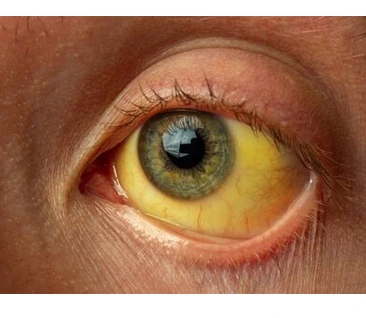
- Jaundice (yellowing of the skin and eyes)
- Dark urine
- Pale stools
- Fatigue
- Nausea
- New-onset diabetes or worsening diabetes
Any persistent symptoms should be evaluated promptly by a specialist.
Risk Factors
Several factors may increase the likelihood of developing pancreatic cancer:
- Increasing age
- Smoking
- Obesity
- Chronic pancreatitis
- Family history of pancreatic cancer
- Certain inherited genetic syndromes
- Diabetes mellitus
- Heavy alcohol consumption
While these factors increase risk, pancreatic cancer can also occur in individuals without identifiable risk factors.
Diagnosis of Pancreatic Cancer
Accurate diagnosis involves a combination of clinical evaluation and advanced imaging studies.
Common investigations include:
- Contrast-enhanced CT scan
- MRI scan
- Endoscopic ultrasound (EUS)
- PET-CT (when indicated)
- Blood investigations
- Tumor marker CA 19-9
- Biopsy, if required
These investigations help determine the stage of the disease and guide treatment decisions.
Treatment Options
Treatment depends on:
- Tumor location
- Stage of disease
- Involvement of surrounding blood vessels
- Overall health
- Patient preferences
Treatment options may include:
Surgery
Surgery remains the most effective treatment for localized pancreatic cancer when the tumor is considered resectable.
Common procedures include:
- Whipple procedure (Pancreaticoduodenectomy)
- Distal pancreatectomy
- Total pancreatectomy
- Vascular reconstruction in selected patients
Chemotherapy
Chemotherapy may be given:
- Before surgery (Neoadjuvant therapy)
- After surgery (Adjuvant therapy)
- For advanced disease
Radiation Therapy
Radiotherapy may be recommended in selected cases to improve local disease control.
Palliative Care
Advanced pancreatic cancer may require symptom management to improve quality of life through pain relief, nutritional support, and supportive care.
About Dr. Ganesh Nagarajan
Selecting an experienced surgeon is one of the most important decisions in pancreatic cancer treatment.
Dr. Ganesh Nagarajan is recognized as a Top Surgical Oncologist in Mumbai, with extensive expertise in gastrointestinal and hepatopancreatobiliary (HPB) cancer surgery. He is known for managing complex pancreatic tumors using evidence-based surgical techniques and multidisciplinary cancer care.
Qualifications
Dr. Ganesh Nagarajan completed advanced surgical training followed by specialized education in surgical oncology and hepatopancreatobiliary surgery. His academic background, research contributions, and commitment to continuous professional development enable him to deliver modern cancer care based on internationally accepted treatment protocols.
Clinical Experience
With years of experience in treating pancreatic and gastrointestinal cancers, Dr. Ganesh Nagarajan has performed numerous complex pancreatic resections and cancer surgeries. His experience includes managing both early-stage and advanced pancreatic cancers through personalized treatment planning and coordinated multidisciplinary care.
Expertise
His clinical expertise includes:
- Pancreatic cancer surgery
- Liver cancer surgery
- Bile duct cancer
- Gallbladder cancer
- Gastrointestinal cancer surgery
- Hepatopancreatobiliary (HPB) surgery
- Cytoreductive surgery (CRS)
- HIPEC
- Advanced abdominal cancer surgery
- Multidisciplinary cancer management
Clinic Environment
The Cancer Surgery Clinic in Mumbai, located at Nanavati Super Specialty Hospital, offers patients access to modern diagnostic technology, advanced operating rooms, multidisciplinary tumor board discussions, intensive care support, and comprehensive oncology services. The clinic emphasizes patient-centered care, safety, evidence-based treatment, and personalized decision-making throughout every stage of treatment.
Benefits of Early Surgical Evaluation
Consulting a specialist early provides several advantages:
- Accurate staging
- Individualized treatment planning
- Timely surgery when appropriate
- Better coordination with chemotherapy
- Improved postoperative recovery
- Access to multidisciplinary expertise
Early evaluation may improve treatment options and overall outcomes.
Recovery After Pancreatic Surgery
Recovery varies depending on the type of surgery performed.
Patients are generally advised to:
- Follow dietary recommendations
- Gradually increase physical activity
- Attend regular follow-up visits
- Take prescribed medications
- Monitor blood sugar if necessary
- Report fever, pain, or digestive symptoms promptly
A structured rehabilitation plan helps patients recover safely while supporting long-term health.
Why Patients Choose Dr. Ganesh Nagarajan
Patients value his comprehensive approach because he focuses on:
- Evidence-based cancer treatment
- Personalized surgical planning
- Advanced pancreatic surgery
- Multidisciplinary coordination
- Clear patient communication
- High standards of surgical safety
- Compassionate cancer care
- Long-term follow-up
His philosophy centers on providing individualized treatment while prioritizing patient safety and quality of life.
Contact Dr. Ganesh Nagarajan
📞 +91 73046 63828 / +91 7700058024
📧 hello@cancersurgeryclinic.com
Get Directions to the Clinic- Cancer Surgery Clinic
If you or a loved one has been diagnosed with pancreatic cancer or requires a second opinion, schedule a consultation with Dr. Ganesh Nagarajan. Early evaluation by an experienced specialist can help determine the most appropriate treatment plan based on the stage of the disease and individual health needs. Receive expert cancer care from a trusted Top Surgical Oncologist in Mumbai.
Frequently Asked Questions
1. Who should consult a pancreatic cancer surgeon?
Patients diagnosed with pancreatic tumors, suspected pancreatic cancer, or those seeking a second opinion regarding pancreatic surgery should consult a specialist.
2. Is pancreatic cancer always treated with surgery?
No. Surgery is recommended when the cancer is localized and considered resectable. Some patients may require chemotherapy, radiation therapy, or a combination of treatments depending on the stage of the disease.
3. What is the Whipple procedure?
The Whipple procedure, or pancreaticoduodenectomy, is a complex surgery performed for tumors located in the head of the pancreas. It involves removing the affected portion of the pancreas along with nearby structures before reconstructing the digestive tract.
4. Why is multidisciplinary care important for pancreatic cancer?
Pancreatic cancer often requires coordinated treatment involving surgical oncologists, medical oncologists, radiologists, gastroenterologists, pathologists, and nutrition specialists to achieve the best possible outcomes.