
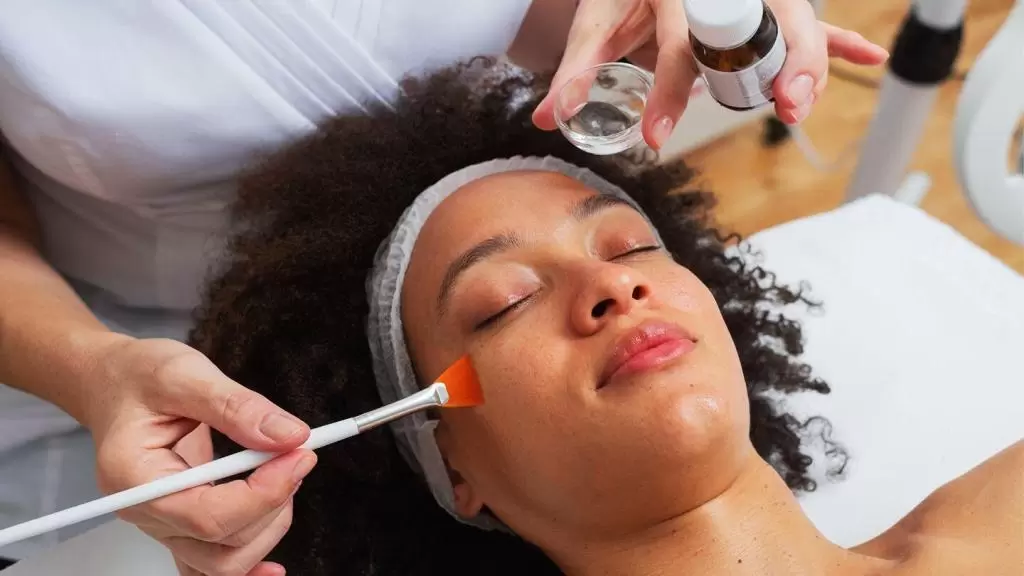
Healthy, radiant skin often requires more than a daily skincare routine. Factors such as acne, pigmentation, sun damage, uneven skin tone, and early signs of aging may require professional dermatological treatments. During my visit to Ambrosia Aesthetics, I spoke with Dr. Niketa Sonavane about Peel treatment, one of the most commonly recommended procedures for improving skin texture and complexion. She emphasized that successful results depend on selecting the appropriate peel based on an individual’s skin type and concerns. Consulting a Top Dermatologist in Mumbai ensures that the treatment is customized, safe, and designed to deliver natural-looking skin rejuvenation.
Peel Treatment: What Is It?
A Peel treatment, also known as a chemical peel, is a dermatological procedure that uses specially formulated chemical solutions to exfoliate damaged outer layers of the skin. As the treated skin sheds naturally, healthier and smoother skin gradually replaces it.
Chemical peels are available in different strengths—superficial, medium-depth, and deep peels—and are selected according to the patient’s skin condition and treatment goals.
The procedure is suitable for improving skin quality while promoting collagen remodeling and skin renewal.
What Skin Concerns Can Peel Treatment Address?
Chemical peels are commonly recommended for individuals with:
- Acne and acne marks
- Post-inflammatory pigmentation
- Uneven skin tone
- Sun-damaged skin
- Melasma
- Fine lines
- Rough skin texture
- Enlarged pores
- Dull complexion
A dermatologist determines the most suitable peel after evaluating the skin thoroughly.
Types of Chemical Peels
Depending on the skin concern, different peeling agents may be used.
These include:
Superficial Peels
Ideal for:
- Mild pigmentation
- Dull skin
- Acne-prone skin
- Maintenance treatments
Medium Peels
Recommended for:
- Moderate pigmentation
- Acne scars
- Fine wrinkles
- Uneven skin texture
Deep Peels
Used selectively for:
- Significant sun damage
- Deep wrinkles
- Extensive skin rejuvenation
Deep peels require careful patient selection and longer recovery.
The Peel Treatment Procedure
The procedure is usually completed within 20–45 minutes depending on the type of peel.
Treatment generally involves:
- Detailed skin consultation
- Cleansing of the skin
- Application of the selected peeling solution
- Controlled exposure time
- Neutralization when required
- Application of soothing creams and sunscreen
- Post-procedure instructions
Most superficial peels allow patients to resume normal activities shortly afterward.
Benefits of Peel Treatment
Professional chemical peels may provide several benefits, including:
- Brighter complexion
- Improved skin texture
- Reduction in pigmentation
- Better acne control
- Smoother skin surface
- Improved collagen production
- Reduction in fine lines
- Healthier-looking skin
The number of sessions depends on the individual’s skin condition and treatment objectives.
Who Is a Suitable Candidate?
Peel treatment may be recommended for individuals who:
- Have acne or acne scars
- Experience pigmentation concerns
- Want smoother skin texture
- Have early signs of skin aging
- Seek brighter-looking skin
- Have realistic expectations
A consultation helps determine the most appropriate peel and treatment plan.
About Dr. Niketa Sonavane
Dr. Niketa Sonavane is a highly qualified aesthetic dermatologist with extensive expertise in cosmetic dermatology and advanced skin rejuvenation procedures. Recognized as a leading Dermatologist in Mumbai, she has years of clinical experience treating pigmentation disorders, acne, scars, aging skin, and various cosmetic skin concerns.
Her approach focuses on evidence-based dermatology, personalized skincare protocols, and minimally invasive aesthetic procedures that deliver natural-looking results. She continually incorporates advanced technologies and internationally accepted treatment protocols to ensure patient safety and effective outcomes.
Every treatment plan is customized after carefully assessing skin type, medical history, and patient expectations.
Clinic Environment at Ambrosia Aesthetics
During my visit, Ambrosia Aesthetics demonstrated a modern and patient-friendly environment dedicated to comprehensive skin care.
The clinic offers:
- Advanced dermatology consultation rooms
- State-of-the-art aesthetic equipment
- Strict sterilization protocols
- Customized skincare planning
- Comfortable treatment suites
- Experienced clinical staff
- Personalized follow-up care
- Focus on patient comfort and safety
Patients receive detailed counseling regarding treatment expectations, aftercare, and maintenance.
Recovery and Aftercare
Recovery depends on the depth of the peel.
Patients are generally advised to:
- Apply sunscreen regularly
- Avoid direct sun exposure
- Keep the skin moisturized
- Avoid picking or peeling the skin
- Use dermatologist-prescribed skincare products
- Attend follow-up appointments
Proper aftercare plays a crucial role in achieving optimal results.
Are There Any Risks?
When performed by an experienced dermatologist, chemical peels are generally safe. However, temporary side effects may include:
- Mild redness
- Peeling
- Dryness
- Temporary sensitivity
- Mild swelling
- Temporary pigmentation changes in some individuals
Careful patient selection and post-treatment care help minimize these risks.
Approximate Cost
The cost of Peel treatment depends on several factors, including:
- Type of chemical peel
- Severity of skin concerns
- Number of treatment sessions
- Combination with other skin procedures
- Dermatologist’s expertise
- Clinic facilities
An individualized consultation provides the most accurate treatment plan and cost estimate.
Frequently Asked Questions
1. Is peel treatment painful?
Most superficial and medium-depth peels cause only mild tingling or a temporary burning sensation during application, which usually subsides quickly.
2. How many peel sessions are required?
The number of sessions depends on your skin condition, treatment goals, and the type of peel recommended by your dermatologist.
3. Can chemical peels help acne scars?
Yes. Certain chemical peels can improve mild to moderate acne scars by promoting skin renewal and collagen production.
4. Is there any downtime after peel treatment?
Superficial peels generally involve minimal downtime, while medium and deep peels may require a longer recovery period depending on treatment intensity.
Contact Dr. Niketa Sonavane – Call to Action
If you are looking to improve skin texture, reduce pigmentation, or achieve a healthier complexion, schedule a consultation with Dr. Niketa Sonavane at Ambrosia Aesthetics.
📞 9930993600 | 9930992400
📧 dr.niketa@live.com
Get Directions to the Clinic – Ambrosia Aesthetics, Mumbai
Book your appointment today for a comprehensive skin analysis and a personalized treatment plan tailored to your unique skin concerns.