
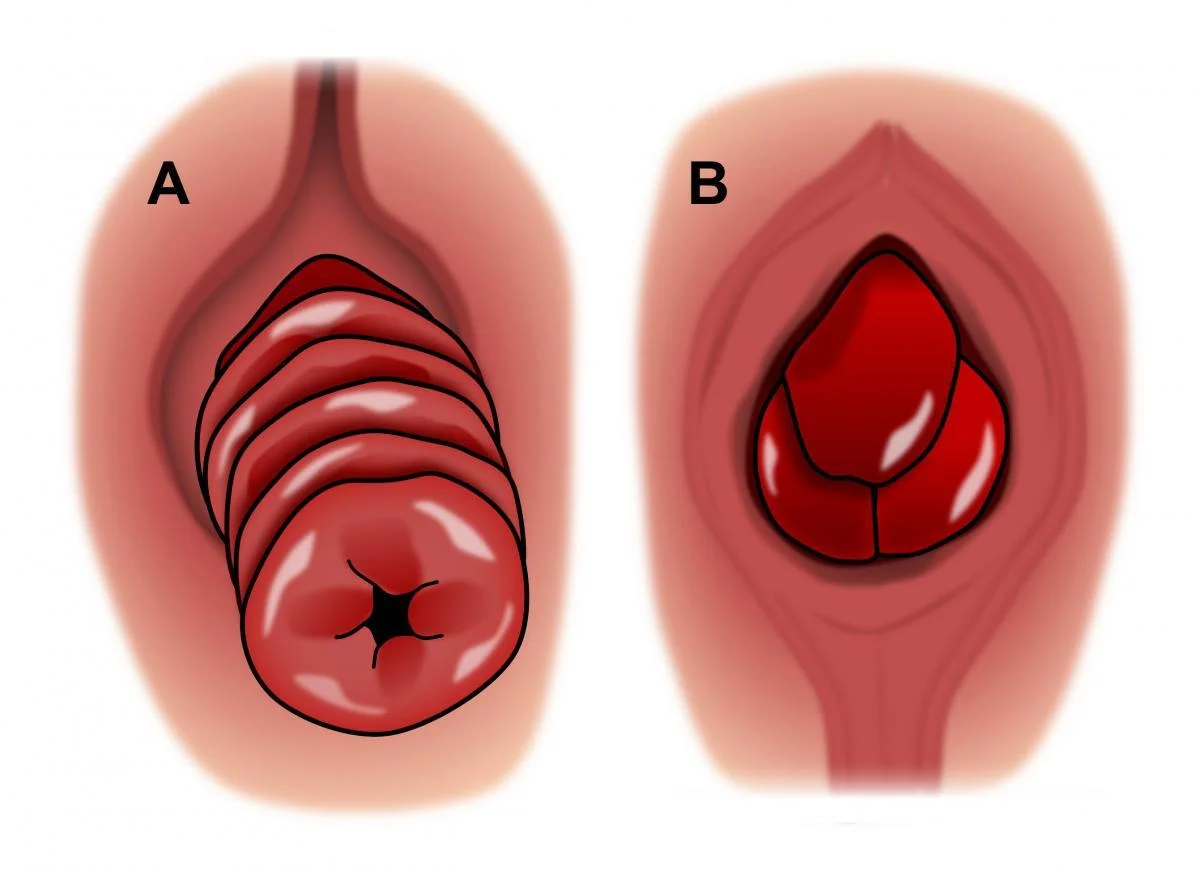
Rectal prolapse is a condition in which part or all of the rectum slips through the anus, causing discomfort, difficulty with bowel movements, and a significant impact on daily life. Although it can affect people of all ages, it is more commonly seen in older adults and individuals with chronic constipation or weakened pelvic floor muscles. During my visit to Gadre Hospital, I learned how Rectal prolapse treatment Mumbai focuses on accurate diagnosis, individualized treatment planning, and advanced surgical techniques to restore bowel function and improve quality of life. Dr. Chintamani Godbole, an experienced Colorectal Surgeon in Mumbai, explained that early treatment helps prevent complications and offers better long-term outcomes for patients.
Rectal Prolapse Treatment Mumbai: Why Early Evaluation is Important
Seeking Rectal prolapse treatment Mumbai at the earliest signs of symptoms is important because untreated rectal prolapse can gradually worsen, leading to increasing discomfort, fecal incontinence, constipation, ulceration, or difficulty with bowel movements.
Treatment depends on several factors, including:
- Severity of the prolapse
- Age and overall health
- Presence of constipation or incontinence
- Previous pelvic surgeries
- Degree of pelvic floor weakness
A comprehensive colorectal evaluation helps determine the most appropriate treatment strategy.
What is Rectal Prolapse?
Rectal prolapse occurs when the rectum loses its normal supporting structures and protrudes through the anal opening.
There are three main types:
Partial (Mucosal) Prolapse
Only the inner lining of the rectum protrudes through the anus.
Complete Rectal Prolapse
The full thickness of the rectal wall protrudes outside the anal opening.
Internal Rectal Prolapse
The rectum collapses internally without protruding externally but still causes bowel dysfunction.
Each type requires careful evaluation before treatment planning.
Common Symptoms
Patients may experience:
- A visible bulge from the anus
- Difficulty passing stools
- Sensation of incomplete bowel evacuation
- Rectal bleeding
- Mucus discharge
- Fecal incontinence
- Constipation
- Pelvic discomfort
- Pain during bowel movements
Symptoms often worsen over time if left untreated.
Causes and Risk Factors
Several factors contribute to rectal prolapse, including:
- Chronic constipation
- Repeated straining during bowel movements
- Weak pelvic floor muscles
- Previous pelvic surgery
- Aging
- Childbirth
- Neurological disorders
- Connective tissue weakness
Identifying the underlying cause helps guide long-term treatment and prevent recurrence.
Diagnostic Evaluation
At Gadre Hospital, diagnosis begins with a detailed medical history and physical examination.
Investigations may include:
- Clinical examination
- Proctoscopy
- Colonoscopy (when indicated)
- Defecography
- MRI pelvis
- Anal manometry
- Colon transit studies in selected patients
These tests help determine the severity of prolapse and identify associated bowel disorders.
Treatment Options
Treatment is individualized based on symptom severity and patient health.
Conservative Management
In selected patients with mild symptoms, treatment may include:
- High-fiber diet
- Increased fluid intake
- Stool softeners
- Pelvic floor exercises
- Biofeedback therapy
- Avoidance of excessive straining
Surgical Treatment
Surgery remains the definitive treatment for complete rectal prolapse.
Depending on the patient’s condition, procedures may include:
- Laparoscopic rectopexy
- Ventral mesh rectopexy
- Perineal rectosigmoidectomy
- Delorme’s procedure
- Open rectopexy when appropriate
The choice of surgery depends on age, general health, bowel function, and the degree of prolapse.
Benefits of Surgical Treatment
Modern rectal prolapse surgery aims to:
- Restore normal rectal anatomy
- Improve bowel function
- Reduce fecal incontinence
- Relieve constipation
- Prevent recurrence
- Improve quality of life
- Enable faster recovery with minimally invasive techniques where appropriate
Individual outcomes depend on the severity of disease and associated pelvic floor disorders.
Approximate Cost of Rectal Prolapse Treatment
The cost varies depending on:
- Type of surgery
- Hospital stay
- Surgical technique
- Diagnostic investigations
- Anaesthesia
- Postoperative care
- Follow-up consultations
A personalized consultation provides an accurate estimate based on the patient’s condition.
Risks and Possible Complications
Like any colorectal surgery, treatment carries potential risks such as:
- Bleeding
- Infection
- Temporary constipation
- Recurrence of prolapse
- Injury to nearby structures (rare)
- Temporary bowel function changes
- Anaesthesia-related risks
Careful surgical planning and experienced postoperative management help minimize these risks.
Recovery and Aftercare Advice Shared by Dr. Chintamani Godbole
Dr. Chintamani Godbole emphasizes that postoperative recovery is equally important for achieving durable results.
His recommendations include:
- Eat a high-fiber diet.
- Drink adequate water daily.
- Avoid prolonged straining during bowel movements.
- Follow prescribed bowel management protocols.
- Resume physical activity gradually.
- Avoid heavy lifting during recovery.
- Attend regular follow-up visits.
- Report persistent pain, bleeding, or fever promptly.
Long-term bowel habit modification helps reduce the likelihood of recurrence.
Meet Dr. Chintamani Godbole
Patients seeking expert Colorectal Surgeon in Mumbai services often consult Dr. Chintamani Godbole, who has specialized training and extensive experience in colorectal surgery and minimally invasive gastrointestinal procedures.
Dr. Chintamani Godbole possesses advanced qualifications in gastrointestinal and colorectal surgery and has successfully managed numerous patients with complex colorectal disorders. His clinical expertise includes both benign and malignant colorectal diseases, with a strong emphasis on minimally invasive surgery, enhanced recovery protocols, and patient-centered care.
His areas of expertise include:
- Rectal prolapse surgery
- Colorectal cancer surgery
- Anal fistula treatment
- Hemorrhoid surgery
- Pilonidal sinus treatment
- Inflammatory bowel disease surgery
- Pelvic floor disorders
- Laparoscopic colorectal surgery
His approach combines evidence-based treatment with personalized care to optimize surgical outcomes and long-term bowel function.
Gadre Hospital: Advanced Colorectal Care
During my visit, Gadre Hospital provided a well-organized environment dedicated to advanced gastrointestinal and colorectal care.
The hospital offers:
- Modern diagnostic facilities
- High standards of hygiene
- Advanced laparoscopic surgical equipment
- Comprehensive colorectal evaluation
- Personalized treatment planning
- Experienced nursing support
- Multidisciplinary patient care
Every patient undergoes a detailed assessment before any treatment recommendation is made.
Why Choose an Experienced Colorectal Surgeon?
Rectal prolapse requires specialized expertise because treatment decisions depend on multiple factors, including bowel function, pelvic anatomy, and overall health.
Consulting an experienced colorectal surgeon offers:
- Accurate diagnosis
- Individualized treatment planning
- Access to minimally invasive surgery
- Better functional outcomes
- Reduced recurrence risk
- Comprehensive long-term follow-up
Specialized care helps improve both symptom relief and quality of life.
Contact Dr. Chintamani Godbole
📞+91 8108791470 | ☎️ +91 8451865944 (In case of emergency)
📧 drchintamanigodbole@gmail.com
📍Get Directions to the Clinic – Gadre Hospital, Mumbai
If you are experiencing symptoms of rectal prolapse, chronic constipation, difficulty passing stools, or a protruding rectal mass, consult Dr. Chintamani Godbole at Gadre Hospital. A comprehensive colorectal evaluation can help identify the underlying cause and determine the most appropriate treatment plan.
Frequently Asked Questions
1. Can rectal prolapse be treated without surgery?
Mild cases may benefit from dietary changes, pelvic floor therapy, and bowel management. However, complete rectal prolapse usually requires surgical correction for lasting results.
2. Is laparoscopic rectal prolapse surgery safe?
Yes. Laparoscopic surgery is widely performed in suitable patients and is associated with smaller incisions, reduced pain, and quicker recovery compared to traditional open surgery.
3. How long does recovery take after rectal prolapse surgery?
Recovery varies depending on the procedure and overall health. Most patients gradually return to normal activities within a few weeks while following postoperative advice.
4. Can rectal prolapse recur after surgery?
Although recurrence is possible, choosing the appropriate surgical procedure, following bowel management recommendations, and maintaining healthy bowel habits can significantly reduce the risk.