
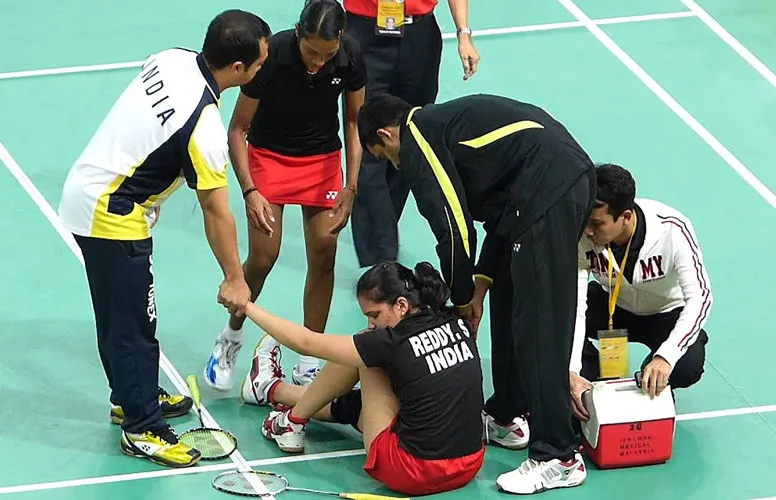
Sports and physical activities are essential for maintaining strength, flexibility, and overall well-being. However, athletes, fitness enthusiasts, runners, and recreational sports players can experience injuries that affect their mobility and performance. Muscle strains, ligament sprains, knee pain, shoulder injuries, and overuse conditions may make it difficult to continue training or participate in favourite activities.
Early assessment and a structured rehabilitation plan can help address these problems and support a safe return to physical activity. At Genesis Sports Physiotherapy Clinic in Opera House, Mumbai, Dr. Raina Ranney provides personalised physiotherapy and rehabilitation for sports-related injuries and musculoskeletal conditions.
If you are looking for sports injury treatment in mumbai, understanding the available treatment options and choosing a qualified physiotherapist can help you take the right steps towards recovery.
What Is Sports Injury Physiotherapy?
Sports injury physiotherapy focuses on assessing, treating, and rehabilitating injuries that occur during sports, exercise, gym workouts, or other physical activities. Treatment aims to reduce pain, restore movement, rebuild strength, and improve the body’s ability to handle the physical demands of a particular activity.
A physiotherapist evaluates the affected area, movement patterns, muscle strength, flexibility, balance, and functional limitations. Based on this assessment, a personalised rehabilitation programme is developed.
At Genesis Sports Physiotherapy Clinic, treatment emphasises exercise-based rehabilitation and strengthening, supported by hands-on techniques when appropriate. The objective is not simply to manage current symptoms but also to identify contributing factors and help reduce the risk of recurrence.
Common Sports Injuries Treated With Physiotherapy
Sports injuries can affect muscles, tendons, ligaments, joints, and other soft tissues. The treatment required depends on the type and severity of the injury.
1. Muscle Strains and Tears
Muscle strains occur when muscle fibres are overstretched or damaged, often during sprinting, lifting, jumping, or sudden changes in direction. Symptoms may include pain, tenderness, swelling, and reduced strength.
Physiotherapy may involve carefully graded movement, mobility exercises, progressive strengthening, and a gradual return to training. The rehabilitation plan depends on the severity of the injury and the individual’s recovery.
2. Ligament Sprains and ACL Injuries
Ligaments connect bones and help stabilise joints. A sprain can occur when a joint twists or moves beyond its normal range. Knee injuries, including anterior cruciate ligament (ACL) injuries, are common in sports involving pivoting, jumping, and rapid direction changes.
Treatment may include swelling management, restoring knee movement, strengthening surrounding muscles, balance training, and functional exercises. Some ACL injuries require surgery, followed by structured physiotherapy. The appropriate approach depends on the injury, knee stability, activity goals, and medical assessment.
3. Shoulder Injuries
Sports such as tennis, badminton, swimming, and weight training place considerable demands on the shoulder. Repetitive overhead movements, poor load management, and sudden increases in training intensity can contribute to shoulder pain.
Rehabilitation may focus on shoulder mobility, rotator cuff strengthening, scapular control, and correcting movement patterns. The programme is tailored to the underlying problem and the patient’s functional goals.
4. Knee Pain and Overuse Injuries
Running, cycling, gym workouts, and court sports can place repeated stress on the knees. Overuse injuries may develop when training demands exceed the body’s ability to recover.
Physiotherapy can help identify contributing factors, improve strength and movement control, and establish a manageable return-to-activity plan. Persistent or severe knee pain may require medical evaluation to rule out significant structural injury.
5. Back and Ankle Injuries
Back discomfort can develop because of repetitive loading, inadequate conditioning, or certain sports movements. Ankle sprains may occur when the foot rolls unexpectedly, affecting the ligaments around the joint.
Depending on the diagnosis, rehabilitation may include mobility work, strengthening, balance exercises, movement retraining, and gradual exposure to sport-specific activities.
How Dr. Raina Ranney Approaches Sports Injury Treatment
Dr. Raina Ranney is a sports and musculoskeletal physiotherapist with over 15 years of clinical experience, according to her professional profile. She completed her undergraduate physiotherapy degree at D. Y. Patil College and earned a master’s degree in musculoskeletal physiotherapy from the University of Melbourne, Australia.
Her professional development includes participation in workshops to expand her knowledge of physiotherapy techniques and rehabilitation practices. Her personal interest in activities such as running and trekking also gives her an appreciation of the physical demands faced by active individuals.
Her areas of practice include sports injury rehabilitation, musculoskeletal physiotherapy, post-surgical rehabilitation, movement correction, and strengthening programmes. She works with people across different activity levels, from recreational players and gym enthusiasts to individuals returning to sport following an injury.
Patients searching for a Sports Physiotherapist Mumbai can consider her qualifications, relevant clinical experience, and emphasis on personalised rehabilitation when deciding where to seek care.
Treatment Techniques at Genesis Sports Physiotherapy Clinic
At Genesis Sports Physiotherapy Clinic, rehabilitation plans are adapted to the patient’s diagnosis, symptoms, physical capabilities, and recovery goals.
Treatment may include the following approaches:
- Therapeutic exercises: Targeted exercises help improve strength, mobility, flexibility, and joint control.
- Progressive strengthening: Exercises are adjusted as the patient regains function and tolerates increased physical demands.
- Movement and biomechanical assessment: Evaluating movement patterns can help identify factors that contribute to injury.
- Dry needling: May be used in selected cases as an adjunct to a broader rehabilitation programme.
- Cupping and soft-tissue techniques: May help manage certain symptoms when clinically appropriate.
- Taping and sports strapping: Can provide additional support or modify loading for selected injuries.
- Sport-specific rehabilitation: Exercises progressively prepare patients for the movements and physical demands of their chosen activity.
These techniques are not necessary for every patient. Treatment should be guided by clinical findings, and hands-on methods should complement—not replace—appropriate strengthening and functional rehabilitation.
Why Choose Genesis Sports Physiotherapy Clinic?
Genesis Sports Physiotherapy Clinic was established in Mumbai in 2012 with the aim of helping people manage pain, improve movement, and continue doing the activities they enjoy.
The clinic’s approach centres on evidence-informed care, dedicated attention, individualised treatment planning, and patient education. Rather than following the same programme for everyone, physiotherapy is adapted to the person’s condition, fitness level, and recovery goals.
The clinic treats sports injuries associated with activities such as tennis, badminton, football, golf, running, cycling, CrossFit, and gym training. It also provides post-surgical rehabilitation and treatment for muscle and joint problems.
The clinic’s philosophy emphasises helping patients return to their preferred activities while learning practical strategies to support long-term movement and reduce the likelihood of recurring problems.
What to Expect During Sports Injury Rehabilitation
Your first appointment generally involves discussing how the injury occurred, when symptoms began, which movements cause discomfort, and how the problem affects daily life or sports performance.
The physiotherapist may assess movement, strength, flexibility, balance, and functional ability. Previous medical reports and imaging, if available, can help inform the assessment.
A rehabilitation programme may begin with symptom management and comfortable movement before progressing to strengthening, balance, coordination, and sport-specific exercises. The pace depends on the injury and the body’s response to treatment.
Returning to sport too quickly can increase the risk of reinjury. Before resuming demanding activities, it is important to demonstrate appropriate strength, movement control, and tolerance for sport-specific tasks. Significant injuries may also require clearance from a treating doctor.
Sudden severe pain, visible deformity, inability to bear weight, substantial swelling, or suspected fracture warrants prompt medical evaluation rather than attempting to manage the injury independently.
Book Sports Injury Rehabilitation at Genesis Sports Physiotherapy Clinic
If pain, reduced mobility, or an injury is affecting your ability to exercise or play sports, a physiotherapy assessment can help you understand the next steps. Dr. Raina Ranney and the Genesis team provide personalised rehabilitation to help patients work towards improved movement, strength, and functional recovery.
📍 Genesis Sports Physiotherapy Clinic
Call: +91-98332 11417 / +91-98211 13147
Email: genesisphysio@gmail.com
Contact Genesis Sports Physiotherapy Clinic to book an assessment with Dr. Raina Ranney and discuss a rehabilitation plan suited to your injury and recovery goals.
Frequently Asked Questions
1. Which sports injuries can physiotherapy help treat?
Physiotherapy can help manage many muscle strains, ligament sprains, selected knee and shoulder injuries, ankle sprains, and overuse conditions. The appropriate treatment depends on the diagnosis and severity of the injury.
2. How long does sports injury rehabilitation take?
Recovery time varies according to the injury, its severity, overall health, and rehabilitation goals. Minor injuries may improve over a relatively short period, while ligament injuries, surgery-related rehabilitation, and complex conditions may require several months.
3. Can physiotherapy help prevent sports injuries?
Physiotherapy can help identify movement limitations, improve strength and balance, and support appropriate training progression. These measures may reduce the risk of some injuries, although no programme can prevent every injury.
4. How can I book an appointment with Dr. Raina Ranney?
You can contact Genesis Sports Physiotherapy Clinic to enquire about an appointment. Call +91 98332 11417 or email genesisphysio@gmail.com for appointment information.