
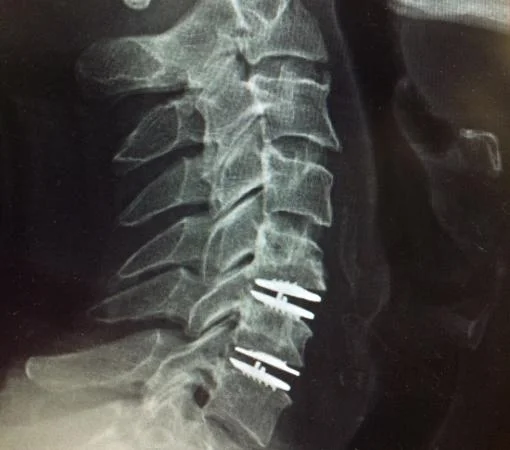
Chronic neck pain and lower back pain caused by damaged spinal discs can significantly affect daily activities, mobility, and quality of life. While many patients improve with medication, physiotherapy, and lifestyle modifications, some continue to experience persistent pain, numbness, weakness, or restricted movement despite conservative treatment. In such cases, advanced surgical options like artificial disc replacement may provide long-term relief while preserving spinal motion.
If you are considering disc replacement surgery in mumbai, Synapse Spine offers comprehensive evaluation and advanced spine care delivered by an experienced team of dedicated spine specialists. With modern surgical techniques, patient-centered treatment planning, and a multidisciplinary approach, Synapse Spine focuses on restoring mobility while preserving natural spinal function whenever possible.
What Is Disc Replacement Surgery?
Disc replacement surgery, also known as artificial disc replacement, is a procedure in which a damaged spinal disc is removed and replaced with an artificial implant designed to maintain normal spinal movement.
Unlike traditional spinal fusion, which permanently joins two vertebrae together, disc replacement preserves motion at the operated spinal segment. This may reduce stress on adjacent discs and help maintain greater flexibility after surgery in appropriately selected patients.
The procedure may be performed in the cervical (neck) or lumbar (lower back) spine depending on the location of the damaged disc.
When Is Disc Replacement Recommended?
Artificial disc replacement may be considered for patients with:
- Degenerative disc disease
- Chronic neck pain
- Persistent lower back pain
- Cervical disc prolapse
- Lumbar disc degeneration
- Nerve compression causing arm or leg pain
- Reduced mobility due to disc damage
- Symptoms not responding to conservative treatment
A detailed clinical evaluation and imaging studies help determine whether disc replacement or another treatment option is most suitable.
Symptoms That May Indicate Disc Damage
Patients should consult a spine specialist if they experience:
- Persistent neck pain
- Chronic lower back pain
- Pain radiating to the arms or legs
- Tingling sensations
- Numbness
- Muscle weakness
- Difficulty walking
- Reduced spinal flexibility
- Pain interfering with daily activities
Early diagnosis helps prevent further nerve damage and improves treatment outcomes.
Benefits of Disc Replacement Surgery
For carefully selected patients, artificial disc replacement offers several potential advantages:
- Preservation of spinal movement
- Reduced pain
- Improved flexibility
- Faster return to daily activities
- Reduced stress on adjacent spinal levels
- Improved quality of life
- Better functional recovery
- Long-term symptom relief
The decision for surgery is individualized based on the patient’s spinal condition, overall health, and lifestyle.
Comprehensive Diagnosis Before Surgery
At Synapse Spine, every patient undergoes a thorough evaluation before surgical planning.
Assessment may include:
- Detailed medical history
- Physical examination
- Neurological assessment
- MRI scan
- CT scan when required
- Digital X-rays
- Functional evaluation
- Review of previous treatments
Accurate diagnosis helps identify the exact source of pain and ensures the most appropriate treatment plan.
Meet the Expert Team at Synapse Spine
Synapse Spine is led by an experienced team of highly qualified spine specialists with extensive expertise in diagnosing and treating complex spinal disorders. The specialists have advanced training in modern spine surgery, minimally invasive procedures, spinal deformity correction, disc replacement, and comprehensive rehabilitation.
Their expertise includes:
- Cervical spine disorders
- Lumbar spine disorders
- Artificial disc replacement
- Minimally invasive spine surgery
- Spine trauma
- Degenerative spine disease
- Herniated discs
- Spinal stenosis
- Scoliosis
- Complex spine reconstruction
Each patient’s treatment plan is carefully customized after evaluating clinical findings, imaging results, and individual functional goals.
Patients searching for a trusted spine specialist Doctor in Mumbai appreciate the team’s evidence-based approach and commitment to personalized care. Individuals looking for an experienced spine surgeon in mumbai also rely on Synapse Spine for advanced surgical expertise and comprehensive postoperative rehabilitation.
Why Choose Synapse Spine?
Synapse Spine provides specialized spine care in a modern, patient-friendly environment equipped with advanced diagnostic facilities and state-of-the-art surgical technology.
Patients benefit from:
- Comprehensive spine evaluation
- Advanced imaging support
- Personalized treatment planning
- Minimally invasive spine surgery
- Artificial disc replacement expertise
- Multidisciplinary rehabilitation
- Long-term follow-up care
- Compassionate patient support
The team focuses on helping patients return to active lifestyles with safe, evidence-based treatment.
Recovery After Disc Replacement Surgery
Recovery varies depending on the patient’s overall health and the complexity of the procedure.
Most recovery programs include:
- Early mobilization
- Pain management
- Physiotherapy
- Posture correction
- Strengthening exercises
- Gradual return to routine activities
- Regular follow-up appointments
Following rehabilitation instructions carefully helps maximize surgical outcomes and preserve long-term spinal health.
Maintaining a Healthy Spine
Patients can reduce future spinal problems by:
- Maintaining good posture
- Exercising regularly
- Strengthening core muscles
- Maintaining a healthy weight
- Avoiding smoking
- Practicing safe lifting techniques
- Taking regular breaks during prolonged sitting
- Seeking early treatment for persistent back pain
Healthy lifestyle choices play an important role in protecting spinal health.
Conclusion
Artificial disc replacement represents an important advancement in modern spine surgery, offering selected patients pain relief while preserving natural spinal movement. Accurate diagnosis, appropriate patient selection, and experienced surgical care are essential for achieving the best possible results.
If you are considering disc replacement surgery in mumbai, Synapse Spine provides expert evaluation, advanced surgical techniques, and comprehensive rehabilitation to help you regain mobility, reduce pain, and improve your quality of life.
Get Directions to Synapse Spine | Schedule Your Consultation Today
Persistent neck or back pain should never be ignored.
Consult the experienced spine specialists at Synapse Spine for a detailed evaluation and personalized treatment plan.
Book your consultation today to learn whether artificial disc replacement or another advanced spine treatment is the right solution for your condition. Let Synapse Spine help you move comfortably and confidently again.
Frequently Asked Questions
1. What is disc replacement surgery?
Disc replacement surgery is a procedure that removes a damaged spinal disc and replaces it with an artificial implant designed to preserve normal spinal movement.
2. Who is a candidate for artificial disc replacement?
Patients with degenerative disc disease, persistent neck or back pain, and symptoms that have not improved with conservative treatment may be suitable candidates after detailed evaluation.
3. Is disc replacement better than spinal fusion?
Both procedures have specific indications. Artificial disc replacement preserves spinal motion, while fusion stabilizes the spine. Your spine specialist will recommend the most appropriate option based on your condition.
4. How long is recovery after disc replacement surgery?
Most patients begin walking soon after surgery and gradually return to daily activities over several weeks. Full recovery depends on the individual’s condition, overall health, and adherence to rehabilitation.