
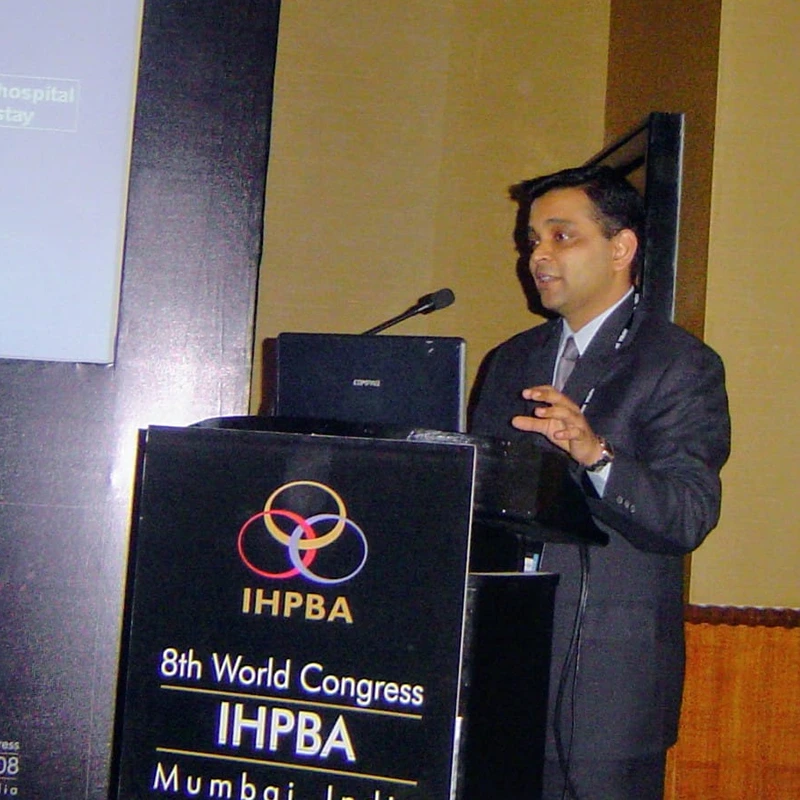
Cancer diagnosis can be an overwhelming experience for patients and their families. Choosing an appropriate treatment approach requires accurate diagnosis, specialist evaluation, and a clear understanding of available medical and surgical options. Surgical oncology plays an important role in treating many types of cancer, particularly when removing a tumour can improve disease control or support other treatments. Dr. Ganesh Nagarajan is a surgical oncologist in Mumbai who specialises in complex cancer surgeries, including gastrointestinal, hepatobiliary, pancreatic, and colorectal procedures.
At Cancer Surgery Clinic in Mumbai, patients can seek consultations for cancer-related surgical conditions and multidisciplinary treatment planning. Understanding the surgeon’s qualifications, clinical experience, areas of expertise, and approach to patient care can help individuals make informed healthcare decisions.
Understanding the Role of a Surgical Oncologist
A surgical oncologist is a medical specialist trained to diagnose, evaluate, and surgically manage cancer. Surgical treatment may involve removing cancerous tumours, examining affected tissues, or performing reconstructive procedures when necessary.
Unlike general surgery, surgical oncology requires additional expertise in cancer biology, tumour behaviour, surgical margins, and coordination with other cancer specialists.
Surgical oncologists commonly collaborate with medical oncologists, radiation oncologists, radiologists, pathologists, and rehabilitation professionals.
When Is Surgical Oncology Recommended?
Surgical treatment may be considered when:
- A tumour can be safely removed.
- Surgery is required to confirm or establish a diagnosis.
- Cancer treatment involves removing affected organs or tissues.
- Surgical intervention can relieve complications caused by a tumour.
- Surgery forms part of a combined treatment plan involving chemotherapy or radiotherapy.
Not every cancer requires surgery. Treatment decisions depend on the cancer type, stage, location, and the patient’s overall medical condition.
Dr. Ganesh Nagarajan: Academic Qualifications and Professional Background
Dr. Ganesh Nagarajan is a Mumbai-based surgical oncologist associated with Nanavati Max Super Speciality Hospital and Cancer Surgery Clinic.
His academic background includes medical education and postgraduate surgical training, followed by specialised training in surgical oncology.
His professional experience includes advanced cancer surgery, particularly gastrointestinal and hepatopancreatobiliary oncology.
He has also been involved in academic activities, surgical training, and clinical research related to cancer treatment.
His areas of professional interest include complex abdominal cancer surgery, multidisciplinary oncology, and techniques designed to improve surgical precision.
Patients evaluating a surgical oncologist should consider relevant specialist training, experience with the specific cancer diagnosis, hospital facilities, and the availability of multidisciplinary support.
Areas of Expertise in Surgical Oncology
Cancer surgery varies significantly depending on the organ affected and the extent of the disease.
1. Gastrointestinal Cancer Surgery
Gastrointestinal cancers involve organs such as the stomach, small intestine, colon, and rectum.
Surgical treatment may involve removing affected portions of the digestive tract and nearby lymph nodes when clinically appropriate.
2. Liver Cancer Surgery
Liver surgery may be recommended for selected primary liver cancers or cancers that have spread to the liver.
Treatment planning depends on tumour location, remaining liver function, and the extent of disease.
3. Pancreatic Cancer Surgery
Pancreatic cancer operations are technically complex and may include procedures such as pancreaticoduodenectomy, also known as Whipple surgery, or distal pancreatectomy.
These procedures require careful patient selection and specialist postoperative care.
4. Gallbladder and Bile Duct Cancer Surgery
Selected gallbladder and bile duct cancers may require extensive surgery involving the liver, bile ducts, or surrounding tissues.
5. Colorectal Cancer Surgery
Surgery for colon and rectal cancers aims to remove the tumour while preserving bowel function where possible.
Depending on the disease, treatment may include minimally invasive surgery or a combination of surgery and other cancer therapies.
Advanced Surgical Techniques and Treatment Approaches
Modern surgical oncology incorporates several techniques depending on cancer location, stage, and surgical suitability.
Minimally Invasive Cancer Surgery
Laparoscopic and robotic-assisted procedures may allow selected operations to be performed through smaller incisions.
Potential advantages include reduced postoperative discomfort and shorter hospital stays in appropriately selected patients.
Open Cancer Surgery
Traditional open surgery remains important for large, complex, or locally advanced tumours requiring extensive tissue removal or reconstruction.
Cytoreductive Surgery and HIPEC
Cytoreductive surgery involves removing visible cancer deposits from the abdominal cavity.
In selected cases, it may be combined with hyperthermic intraperitoneal chemotherapy (HIPEC), which delivers heated chemotherapy into the abdomen during surgery.
This approach is suitable only for carefully selected cancer types and patients.
Benefits and Risks of Cancer Surgery
Cancer surgery can offer important benefits, but it also involves potential complications.
Potential Benefits
- Removal of cancerous tissue when technically and medically feasible.
- Improved local disease control.
- Relief of symptoms caused by tumour obstruction or pressure.
- More accurate pathological assessment.
- Support for comprehensive cancer treatment planning.
Possible Risks
- Bleeding and postoperative infection.
- Injury to surrounding organs or structures.
- Blood clots and anaesthesia-related complications.
- Delayed wound healing.
- Changes in digestion or bowel function.
- Complications related to major organ surgery.
The expected benefits and risks depend on the type of operation, cancer stage, and patient’s medical condition.
Cancer Surgery Clinic in Mumbai: Clinical Environment and Patient Care
Cancer Surgery Clinic provides consultations focused on evaluating surgical treatment options for patients diagnosed with cancer.
Its clinical approach involves reviewing medical records, diagnostic investigations, biopsy findings, and previous treatments before recommending further management.
Patients may require imaging studies, laboratory investigations, specialist consultations, and multidisciplinary discussions.
Complex cancer operations are generally performed in appropriately equipped hospitals with anaesthesia services, critical care support, and postoperative monitoring.
The availability of advanced diagnostic and surgical facilities is particularly important for patients undergoing gastrointestinal, liver, pancreatic, or colorectal cancer surgery.
People searching for a Cancer Surgery Clinic in Mumbai should consider specialist experience, hospital infrastructure, access to oncology services, and postoperative care arrangements.
Clinical Experience, Research and Professional Achievements
According to his official professional profile, the surgeon has more than 18 years of experience in surgical oncology.
His professional background includes:
- Surgical oncology residency at Tata Memorial Hospital, Mumbai, from 2004 to 2008.
- Fellowship in hepatobiliary pancreatic surgery and liver transplantation at Hospital Beaujon, Paris, from 2008 to 2009.
- Experience as a consultant surgical oncologist at major hospitals in Mumbai.
- Participation in research and publications involving complex hepatopancreatobiliary procedures.
His reported recognitions include the Outstanding Young Indian Award in 2011 and a Rotarian Ambassadorial Scholarship in France in 2008.
For patients searching for a Top Surgical Oncologist in Mumbai, these qualifications provide useful background when assessing specialist expertise.
Approximate Cost of Cancer Surgery in Mumbai
Cancer surgery costs vary according to the affected organ, complexity of the procedure, hospital facilities, and duration of hospitalisation.
Major factors influencing expenses include:
- Preoperative diagnostic investigations.
- Surgical technique and operating theatre requirements.
- Anaesthesia and intensive care support.
- Length of hospital stay.
- Postoperative medications and rehabilitation.
- Additional chemotherapy or radiotherapy, if required.
Patients should request a personalised treatment estimate after their clinical assessment.
Precautions and Aftercare Following Cancer Surgery
Recovery depends on the type of cancer surgery and the patient’s overall health.
General postoperative recommendations may include:
- Taking prescribed medications as directed.
- Maintaining wound hygiene.
- Following nutritional advice and dietary restrictions.
- Gradually increasing physical activity under medical supervision.
- Avoiding heavy lifting until medically cleared.
- Attending scheduled follow-up consultations.
- Reporting fever, unusual bleeding, persistent vomiting, or worsening pain promptly.
Some patients may also require rehabilitation, nutritional counselling, or additional cancer treatment after surgery.
Frequently Asked Questions (FAQs)
1. What types of cancer does this surgeon specialise in?
His principal areas of expertise include gastrointestinal, colorectal, liver, pancreatic, gallbladder, and biliary tract cancers. Treatment depends on the cancer’s stage, location, and overall clinical assessment.
2. What qualifications should patients consider when choosing a surgical oncologist?
Patients should evaluate postgraduate surgical qualifications, specialised oncology training, experience with the relevant cancer type, hospital infrastructure, and access to multidisciplinary cancer care.
3. Is minimally invasive surgery suitable for every cancer patient?
No. Laparoscopic or robotic surgery may be appropriate for selected patients, but advanced cancers, complex tumour locations, and certain medical conditions may require open surgery.
4. Can patients seek a second opinion before cancer surgery?
Yes. A second opinion can help patients understand their diagnosis, treatment alternatives, expected outcomes, and potential risks before making decisions about major cancer surgery.
Book a Consultation at Cancer Surgery Clinic
If you or a family member has received a cancer diagnosis, consider scheduling a specialist consultation with Dr. Ganesh Nagarajan to discuss the findings, treatment options, and next steps.
+91 73046 63828 / +91 7700058024
hello@cancersurgeryclinic.com
Get Directions to the Clinic- Cancer Surgery Clinic