
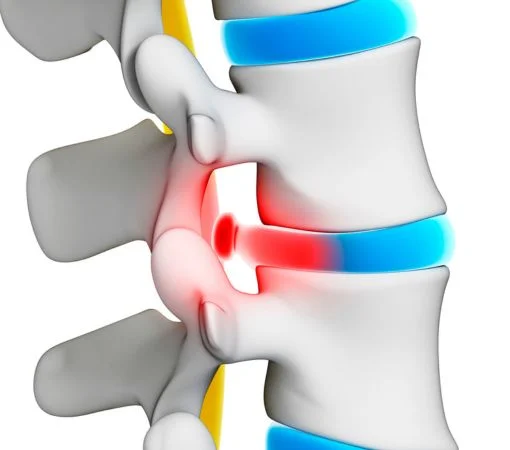
A slip disc, also known as a herniated or prolapsed disc, is one of the most common causes of back pain, leg pain, numbness, and reduced mobility. It can significantly affect your quality of life, making even simple daily activities challenging. While many cases respond well to conservative treatment, some require specialized evaluation and advanced spine care. If you are looking for the Best Doctor for Slip Disc in Mumbai, Synapse Spine offers comprehensive diagnosis, evidence-based treatment, and personalized care to help patients recover safely and return to an active lifestyle.
At Synapse Spine, a team of highly experienced spine specialists provides advanced medical and surgical solutions for spinal disorders using modern diagnostic techniques and minimally invasive procedures whenever appropriate.
Understanding a Slip Disc
The spine is made up of vertebrae separated by soft intervertebral discs that act as cushions and absorb shock. A slip disc occurs when the inner gel-like portion of a disc protrudes through its outer layer, putting pressure on nearby nerves.
This condition can affect the cervical (neck), thoracic (mid-back), or lumbar (lower back) spine, with lumbar slip discs being the most common.
Early diagnosis and expert management are essential to relieve pain, prevent complications, and restore normal function.
Common Symptoms of a Slip Disc
Symptoms vary depending on the location and severity of the disc herniation.
Common signs include:
- Persistent lower back pain
- Neck pain
- Pain radiating to the arms or legs
- Sciatica
- Tingling sensation
- Numbness
- Muscle weakness
- Difficulty walking
- Reduced flexibility
- Pain while sitting or bending
If symptoms persist or worsen, prompt consultation with a spine specialist is recommended.
Causes and Risk Factors
Several factors may contribute to a slip disc, including:
- Age-related disc degeneration
- Heavy lifting
- Poor posture
- Obesity
- Repetitive spinal strain
- Sedentary lifestyle
- Sports injuries
- Trauma or accidents
- Smoking
Maintaining spinal health through proper posture, exercise, and weight management can help reduce the risk.
Comprehensive Diagnosis at Synapse Spine
At Synapse Spine, patients undergo a detailed evaluation to determine the exact cause of their symptoms.
Diagnosis may include:
- Detailed medical history
- Physical examination
- Neurological assessment
- MRI scan
- CT scan (when required)
- X-rays
- Functional spine assessment
Accurate diagnosis enables the team to develop an individualized treatment plan tailored to each patient’s condition.
Treatment Options for Slip Disc
Most patients improve without major surgery. Treatment depends on symptom severity, neurological involvement, and lifestyle requirements.
Conservative Management
Initial treatment may include:
- Medications
- Physiotherapy
- Activity modification
- Lifestyle advice
- Core strengthening exercises
- Pain management
Many patients experience significant improvement with non-surgical treatment.
Minimally Invasive Spine Surgery
When conservative treatment does not provide relief or nerve compression becomes severe, minimally invasive spine surgery may be recommended.
Benefits include:
- Smaller incisions
- Less muscle damage
- Reduced blood loss
- Faster recovery
- Shorter hospital stay
- Less postoperative pain
The experienced spine surgeon in mumbai team at Synapse Spine focuses on preserving normal spinal function while effectively relieving nerve compression.
Meet the Experts at Synapse Spine
Synapse Spine is led by a dedicated team of highly qualified spine surgeons specializing exclusively in spinal disorders. The specialists possess advanced qualifications in orthopaedics and spine surgery, along with fellowship training in complex spine procedures. With extensive clinical experience, they manage a wide range of spinal conditions, including slip discs, spinal deformities, fractures, degenerative spine disorders, infections, tumors, and minimally invasive spine surgery.
The team believes in a multidisciplinary approach, combining advanced diagnostics, evidence-based treatments, rehabilitation, and patient education to achieve the best possible outcomes.
Their commitment to innovation, precision, and compassionate care has established Synapse Spine as a trusted destination for comprehensive spine treatment.
Why Choose Synapse Spine?
Patients choose Synapse Spine because of its:
- Dedicated spine specialists
- Advanced diagnostic facilities
- Personalized treatment plans
- Expertise in minimally invasive surgery
- Comprehensive rehabilitation
- Patient-centered care
- Modern surgical techniques
- Focus on long-term spine health
- Ethical treatment recommendations
Whether your condition requires conservative care or surgical intervention, every treatment plan is customized according to your needs.
Modern Spine Care Environment
Synapse Spine provides patients with a comfortable and technologically advanced healthcare environment.
The clinic emphasizes:
- Accurate diagnosis
- Patient education
- Transparent communication
- Individualized care
- Advanced surgical infrastructure
- International safety protocols
- Comprehensive follow-up care
Every patient receives dedicated attention throughout diagnosis, treatment, recovery, and rehabilitation.
When Should You Consult a Spine Specialist?
Seek medical evaluation if you experience:
- Persistent back pain lasting more than two weeks
- Pain radiating to the legs
- Difficulty standing or walking
- Numbness or weakness
- Loss of bladder or bowel control
- Recurrent episodes of severe back pain
Early consultation helps prevent permanent nerve damage and improves treatment outcomes.
Preventing Slip Disc Problems
Simple lifestyle changes can reduce your risk of spinal injuries:
- Maintain proper posture
- Exercise regularly
- Strengthen core muscles
- Lift heavy objects correctly
- Maintain a healthy weight
- Avoid prolonged sitting
- Stay physically active
- Practice ergonomic workplace habits
Preventive care is an important part of long-term spinal wellness.
Why Patients Trust Synapse Spine
Patients across Mumbai trust Synapse Spine because of its:
- Experienced spine specialists
- Personalized treatment approach
- Expertise in complex spine disorders
- Advanced minimally invasive techniques
- Compassionate patient care
- Evidence-based treatment protocols
- Excellent rehabilitation support
- Commitment to achieving lasting results
Whether you require conservative management or advanced surgery, the team is committed to helping you regain mobility and live pain-free
Call-to-Action
Find Expert Care for Slip Disc at Synapse Spine
Living with back pain or a slip disc doesn’t have to limit your life. At Synapse Spine, our experienced spine specialists are committed to providing accurate diagnosis, personalized treatment plans, and advanced surgical and non-surgical care to help you return to a healthy, active lifestyle.
Whether you need conservative treatment, rehabilitation, or minimally invasive spine surgery, our team is here to support you every step of the way.
Schedule your consultation today and take the first step toward lasting relief with the Best Doctor for Slip Disc in Mumbai at Synapse Spine.
Frequently Asked Questions (FAQs)
1. What is a slip disc?
A slip disc, also called a herniated or prolapsed disc, occurs when the soft inner portion of a spinal disc pushes through its outer layer and compresses nearby nerves, causing pain and neurological symptoms.
2. Can a slip disc heal without surgery?
Yes. Many patients recover with medications, physiotherapy, activity modification, and supervised rehabilitation. Surgery is considered only when conservative treatment fails or neurological symptoms worsen.
3. When is surgery required for a slip disc?
Surgery may be recommended if severe pain persists despite treatment, there is progressive muscle weakness, significant nerve compression, or loss of bladder or bowel control.
4. How long does recovery take after minimally invasive spine surgery?
Recovery varies depending on the procedure and the patient’s overall health. Many patients experience faster recovery, less postoperative pain, and an earlier return to daily activities compared with traditional open surgery.