
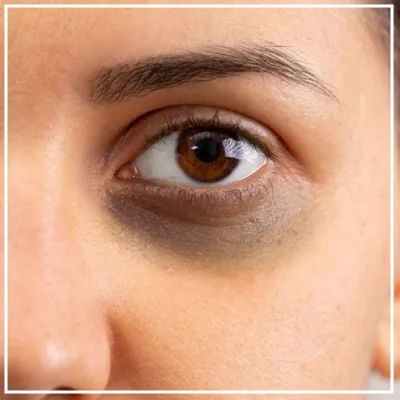
Dark circles under the eyes can make the face appear tired, even when you are getting enough rest. They may develop due to genetics, aging, pigmentation, allergies, dehydration, or changes in the delicate skin and tissues around the eyes. If home remedies are not helping, Dark circles treatment in Mumbai with a qualified dermatologist can help identify the underlying cause and explore suitable treatment options.
At Viva Aesthetic Clinic, Dr. Deepam Shah offers personalised dermatological and aesthetic care. Treatment recommendations depend on whether the darkness is caused by excess pigment, visible blood vessels, under-eye hollows, or a combination of factors. Understanding the cause is an important first step towards improving the appearance of the under-eye area.
What Are Dark Circles?
Dark circles, also known as periorbital darkening, refer to darker-looking skin or shadows beneath the eyes. They can affect people of different ages and skin tones. In some individuals, the colour appears brown or black, while others may notice bluish or purplish shadows. Under-eye hollows and puffiness can also create a dark appearance because of the way light falls on the skin.
The right Dark circles treatment in Mumbai begins with identifying the type of dark circles present. This helps a dermatologist recommend an approach that addresses the likely cause rather than relying on products that may not be suitable for your skin.
Common Causes of Dark Circles
Several factors can contribute to dark circles, and more than one cause may be present at the same time.
Genetics: Some people inherit a tendency to develop under-eye pigmentation, prominent blood vessels, or deeper hollows.
Ageing: As skin becomes thinner and collagen decreases, underlying blood vessels may become more visible. Changes in facial fat and tissue can also create hollows and shadows.
Lack of sleep and fatigue: Poor sleep may make the skin appear dull or pale, making the area beneath the eyes look darker. Improving sleep can help, although it may not resolve hereditary or structural dark circles.
Allergies and rubbing: Allergic reactions can cause itching, swelling, and inflammation. Repeatedly rubbing the eyes may worsen irritation and contribute to pigmentation.
Sun exposure: Ultraviolet radiation can increase melanin production and make pigmentation more noticeable.
Dehydration and lifestyle factors: Dehydration, smoking, stress, and inconsistent sleep may affect the overall appearance of the skin.
Medical causes: Iron deficiency or other health conditions may sometimes contribute to a tired appearance. A healthcare professional can determine whether further evaluation is needed, particularly when dark circles develop suddenly or occur with other symptoms.
Treatment Options for Dark Circles
Treatment depends on the cause, skin type, medical history, and individual goals. During a consultation, the dermatologist assesses the under-eye area and discusses suitable options, including their benefits, limitations, and potential risks.
Topical creams and skincare
Selected creams may help manage pigmentation and improve skin texture. Depending on the diagnosis, a dermatologist may recommend ingredients that target uneven skin tone or support the skin barrier. Products intended for the face are not automatically suitable for the delicate eye area, so avoid using strong active ingredients or prescription creams near the eyes without medical advice.
Daily sun protection, sunglasses, gentle cleansing, and moisturising can help limit additional irritation and pigmentation.
Chemical peels
Carefully selected chemical peels may help improve certain types of superficial pigmentation. The product and strength must be chosen for the individual because the skin around the eyes is delicate. Incorrect use can cause irritation, burns, or post-inflammatory hyperpigmentation, especially in people prone to pigmentation.
Laser therapy and laser toning
Some laser treatments may be considered for selected cases of pigment-related dark circles. The technology and settings depend on the type of pigmentation and the person’s skin tone. Laser procedures are not appropriate for every patient, and risks may include irritation, burns, or changes in pigmentation. A professional assessment is necessary before proceeding.
Dermal fillers for under-eye hollows
When shadows are mainly caused by hollows beneath the eyes, a suitable hyaluronic acid filler may be considered. By restoring volume in selected areas, fillers can reduce the shadowing effect. They do not treat every type of dark circle and require careful assessment because the under-eye area has a complex anatomy and potential complications.
Microneedling and PRP
Microneedling stimulates the skin’s repair response, while platelet-rich plasma (PRP) uses a preparation made from the patient’s own blood. These treatments may be considered in selected cases to address skin texture or quality. Their suitability and expected benefits vary, and neither should be presented as a guaranteed solution for all dark circles.
Why Choose Dr. Deepam Shah at Viva Aesthetic Clinic?
Dr. Deepam Shah is a dermatologist, cosmetologist, and hair transplant surgeon practising in South Mumbai. He holds an MBBS degree from the University of Bombay, completed DNB in Dermatology and Venereology through the University of Delhi, and holds a Fellowship in Aesthetic Medicine (FAM) from the Institute of Laser and Aesthetic Medicine (ILAMED). His qualifications and experience support his work across dermatology and aesthetic treatments.
With over a decade of clinical experience, Dr. Deepam Shah focuses on understanding the underlying concern and discussing an individualised treatment plan. As the founder of Viva Aesthetic Clinic, he works with trained and qualified staff in a clinic environment equipped with modern lasers and medical devices. The clinic offers skin, hair, and aesthetic services, with treatment recommendations based on the patient’s concerns and suitability.
If you are considering Dark circles treatment in Mumbai, a consultation can help determine whether pigmentation care, a procedure, lifestyle changes, or further medical evaluation is most appropriate. You can also consult Dr. Deepam Shah as a Dermatologist in Mumbai or Skin Specialist in Mumbai for other skin concerns.
What to Expect During Your Consultation
Your appointment typically begins with a discussion of when the dark circles appeared, your skincare routine, sleep habits, allergies, medical history, and previous treatments. The dermatologist examines the under-eye area to assess pigmentation, skin thickness, visible vessels, puffiness, and hollows.
Based on the findings, you can discuss suitable treatment options, expected improvement, the number of sessions that may be required, costs, aftercare, and possible side effects. Some people may benefit from skincare and lifestyle changes alone, while others may be candidates for in-clinic procedures. Results vary, and maintenance may be needed.
Avoid applying unprescribed bleaching products, steroid creams, or harsh home remedies around the eyes. If darkening develops suddenly, affects only one side, or occurs with pain, marked swelling, or vision changes, seek medical assessment promptly.
Contact Viva Aesthetic Clinic
For professional guidance, book a consultation with Dr. Deepam Shah at Viva Aesthetic Clinic. An assessment can help identify the cause of your under-eye concerns and determine an appropriate plan.
+91 93245 89084 | 022 3573 1556
clinicvivacosmetic@gmail.com
Get Directions to the Clinic: Viva Aesthetic Clinic, Mumbai
Choosing an appropriate treatment starts with understanding what is causing the darkness. A personalized consultation can help you make an informed decision about improving the appearance of the under-eye area while protecting the delicate skin around your eyes.
Frequently Asked Questions
1. What causes dark circles under the eyes?
Dark circles may result from genetics, aging, pigmentation, allergies, lack of sleep, sun exposure, or under-eye hollows. A dermatologist can help identify the likely cause.
2. Which treatments are available for dark circles?
Depending on the cause, options may include topical skincare, chemical peels, selected laser treatments, microneedling, PRP, or dermal fillers for suitable under-eye hollows. Not every treatment is suitable for every patient.
3. Can dark circles be removed permanently?
Results depend on the underlying cause. Some dark circles can improve with appropriate treatment and skincare, but hereditary factors, ageing, and structural changes may mean that darkness persists or returns.
4. How can I book a consultation with Dr. Deepam Shah?
Contact Viva Aesthetic Clinic at 93245 89084 or 022 3573 1556, or email clinicvivacosmetic@gmail.com to enquire about an appointment.