
Pancreatic cancer is one of the most complex cancers to diagnose and treat because its symptoms often appear only in advanced stages. During my visit to the Cancer Surgery Clinic, I gained valuable insights into how modern Pancreatic Cancer Treatment combines precise diagnosis, advanced surgery, and multidisciplinary cancer care to improve patient outcomes. Dr. Ganesh Nagarajan explained that every patient requires an individualized treatment plan based on the stage of cancer, tumour location, overall health, and treatment goals.
At the Cancer Surgery Clinic, patients receive comprehensive care from diagnosis to recovery, ensuring they benefit from evidence-based treatment protocols and compassionate support throughout their cancer journey.
Understanding Pancreatic Cancer Treatment
The pancreas is a vital organ located behind the stomach that helps regulate blood sugar and aids digestion. Pancreatic cancer develops when abnormal cells in the pancreas begin to grow uncontrollably.
Modern Pancreatic Cancer Treatment depends on factors such as:
- Type of pancreatic cancer
- Stage of the disease
- Size and location of the tumour
- Involvement of nearby blood vessels
- Overall health of the patient
- Presence of metastasis
Early diagnosis provides the best opportunity for curative treatment.
Common Symptoms of Pancreatic Cancer
Symptoms often develop gradually and may include:
- Persistent upper abdominal pain
- Back pain
- Unexplained weight loss
- Loss of appetite
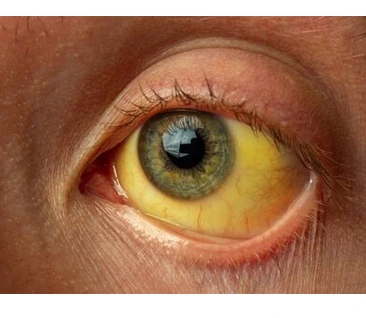
- Jaundice (yellowing of the eyes and skin)
- Dark urine
- Pale stools
- Fatigue
- Nausea
- Newly diagnosed diabetes in some patients
Since these symptoms can resemble other digestive disorders, timely medical evaluation is essential.
Risk Factors
Several factors may increase the likelihood of developing pancreatic cancer:
- Smoking
- Chronic pancreatitis
- Diabetes
- Obesity
- Family history
- Genetic syndromes
- Increasing age
- High-fat diet
- Excessive alcohol consumption
Understanding these risk factors helps in identifying high-risk individuals who may benefit from closer medical surveillance.
Diagnostic Evaluation
Accurate diagnosis forms the foundation of successful treatment.
Investigations may include:
- Blood tests
- Liver function tests
- Tumour markers (CA 19-9)
- Contrast-enhanced CT scan
- MRI scan
- Endoscopic Ultrasound (EUS)
- PET-CT scan (selected patients)
- Biopsy for confirmation
The multidisciplinary team carefully reviews these findings before deciding on the best treatment approach.
Treatment Options
Dr. Ganesh Nagarajan explained that pancreatic cancer management often involves a combination of surgery, chemotherapy, and other advanced therapies.
Surgery
For localized pancreatic cancer, surgery offers the best chance of long-term survival.
Whipple Procedure (Pancreaticoduodenectomy)
This complex surgery removes the head of the pancreas along with surrounding affected structures. It is considered the standard treatment for cancers located in the pancreatic head.
Distal Pancreatectomy
Tumours located in the body or tail of the pancreas may require removal of that portion of the pancreas, sometimes along with the spleen.
Total Pancreatectomy
In selected cases, the entire pancreas may need to be removed.
Chemotherapy
Chemotherapy may be given before surgery (neoadjuvant), after surgery (adjuvant), or as the primary treatment for advanced disease.
Radiation Therapy
Selected patients may benefit from radiation as part of a comprehensive treatment plan.
Palliative Care
Advanced pancreatic cancer patients may receive treatments that help control symptoms, improve comfort, and enhance quality of life.
Why Early Detection Is Important
Although pancreatic cancer is often diagnosed late, advances in imaging and increased awareness have improved the chances of identifying suitable candidates for surgery.
Patients with persistent digestive symptoms, unexplained jaundice, or strong family histories should seek prompt specialist evaluation.
Meet Dr. Ganesh Nagarajan
Dr. Ganesh Nagarajan is a highly experienced Top Surgical Oncologist in Mumbai, specializing in gastrointestinal, hepatobiliary, and pancreatic cancer surgery. He has extensive expertise in managing complex pancreatic tumours and is recognized for performing advanced procedures, including the Whipple operation and other major pancreatic surgeries.
During my visit to the Cancer Surgery Clinic in Mumbai, I observed a modern, patient-focused facility equipped with advanced diagnostic resources and supported by a multidisciplinary oncology team. Every patient receives a personalized treatment plan developed through careful collaboration between surgical oncologists, medical oncologists, radiologists, gastroenterologists, and critical care specialists.
Dr. Ganesh Nagarajan is known for combining surgical precision, evidence-based decision-making, and compassionate patient care, helping individuals navigate complex pancreatic cancer treatment with confidence.
Benefits of Specialized Pancreatic Cancer Care
Receiving treatment at a dedicated cancer centre offers several advantages:
- Multidisciplinary tumour board discussions
- Accurate diagnosis
- Advanced surgical expertise
- Comprehensive postoperative care
- Personalized chemotherapy planning
- Modern imaging facilities
- Nutritional support
- Long-term follow-up care
Recovery After Pancreatic Cancer Surgery
Recovery varies depending on the complexity of surgery and the patient’s overall health.
Patients are generally advised to:
- Begin gentle walking early
- Follow a carefully planned diet
- Stay well hydrated
- Take medications as prescribed
- Monitor blood sugar if required
- Attend regular follow-up appointments
- Avoid smoking and alcohol
- Resume normal activities gradually
Complete recovery may take several weeks to months.
Risks and Possible Complications
Like any major cancer surgery, pancreatic procedures carry certain risks, including:
- Bleeding
- Infection
- Pancreatic leak
- Delayed gastric emptying
- Digestive disturbances
- Blood clots
- Temporary nutritional deficiencies
- Need for prolonged recovery
Treatment by an experienced pancreatic surgical team significantly improves patient safety and outcomes.
Approximate Cost of Pancreatic Cancer Treatment
Treatment costs depend on several factors, including:
- Cancer stage
- Type of surgery
- Hospital stay
- ICU requirements
- Chemotherapy
- Diagnostic investigations
- Individual patient condition
A detailed consultation helps provide an accurate estimate tailored to each patient’s treatment needs.
Why Choose Cancer Surgery Clinic?
The Cancer Surgery Clinic offers comprehensive pancreatic cancer care using advanced surgical techniques, evidence-based treatment protocols, and multidisciplinary expertise. Patients receive individualized attention from diagnosis through recovery in a supportive, technologically advanced environment. The clinic is committed to delivering safe, ethical, and patient-centered cancer care with a focus on achieving the best possible outcomes.
Choosing the right Pancreatic Cancer Treatment team can make a significant difference in treatment outcomes and quality of life. With advanced surgical expertise, personalized treatment planning, and multidisciplinary cancer care, Dr. Ganesh Nagarajan provides comprehensive management for patients with pancreatic cancer. At the Cancer Surgery Clinic, every treatment plan is carefully tailored to the patient’s condition, ensuring evidence-based care from diagnosis through long-term follow-up. Early consultation, timely diagnosis, and specialized surgical oncology remain the keys to improving survival and supporting patients through every stage of pancreatic cancer treatment.
Contact Dr. Ganesh Nagarajan
📞 +91 73046 63828 / +91 7700058024
📧 hello@cancersurgeryclinic.com
Get Directions to the Clinic- Cancer Surgery Clinic
If you or a loved one has been diagnosed with pancreatic cancer, consult Dr. Ganesh Nagarajan at the Cancer Surgery Clinic for a comprehensive evaluation and personalized treatment plan. Learn about advanced surgical options, chemotherapy, and multidisciplinary cancer care designed to deliver the best possible outcomes.
Frequently Asked Questions
1. What is the most effective treatment for pancreatic cancer?
Treatment depends on the stage of the disease. Surgery offers the best chance of cure for localized pancreatic cancer, often combined with chemotherapy before or after the procedure.
2. What is the Whipple procedure?
The Whipple procedure (pancreaticoduodenectomy) is a complex surgery that removes the head of the pancreas and nearby structures affected by cancer. It is commonly performed for tumors located in the pancreatic head.
3. Can pancreatic cancer be detected early?
Early detection is challenging because symptoms often appear late. However, individuals with persistent jaundice, unexplained weight loss, abdominal pain, or a strong family history should undergo prompt evaluation.
4. How long is recovery after pancreatic cancer surgery?
Hospitalization typically lasts one to two weeks, while full recovery may take several months depending on the type of surgery, overall health, and adherence to postoperative care.