
Urinary leakage can affect a woman’s confidence, comfort, sleep, and everyday activities. Whether it occurs while coughing, sneezing, laughing, exercising, or due to a sudden urge to urinate, urinary incontinence is a common health concern that deserves proper medical attention. Women seeking Urinary incontinence treatment in Mumbai can explore effective treatment options to improve bladder control and quality of life. Although many women hesitate to discuss bladder control problems, consulting a qualified gynaecologist can help identify the underlying cause and determine the most suitable treatment.
Urinary incontinence treatment in Mumbai focuses on identifying the underlying cause of urine leakage and developing an appropriate treatment plan based on the patient’s symptoms, medical history, and overall health. Dr. Maitreyee Parulekar, a qualified gynaecologist with expertise in minimally invasive gynaecological surgery, provides evaluation and treatment options for women experiencing urinary leakage at Kirit Nursing Home.
With appropriate medical guidance, women can explore ways to improve bladder control, reduce discomfort, and regain confidence in their daily lives.
What Is Urinary Incontinence?
Urinary incontinence is the involuntary leakage of urine when a person cannot fully control their bladder. It may occur occasionally or become a persistent problem that interferes with daily activities. The condition can affect women of different ages, particularly after pregnancy, childbirth, and menopause.
Urinary incontinence is not something women simply have to accept as a normal part of ageing or motherhood. Understanding its type and cause helps a gynaecologist recommend suitable management options.
The main types include:
- Stress urinary incontinence: Urine leaks during activities that increase pressure on the bladder, such as coughing, sneezing, laughing, or lifting heavy objects.
- Urge urinary incontinence: A sudden, intense need to urinate is followed by involuntary leakage.
- Mixed urinary incontinence: Symptoms of both stress and urge incontinence occur together.
- Overflow incontinence: The bladder does not empty completely, resulting in frequent dribbling or leakage.
Identifying the type of incontinence is an important first step towards effective treatment.
Common Symptoms of Urinary Incontinence
Symptoms vary depending on the underlying condition and its severity. Some women experience occasional leakage, while others have frequent urinary urgency or difficulty emptying their bladder.
Common warning signs include:
- Leakage while coughing, sneezing, laughing, or exercising.
- A sudden urge to urinate that is difficult to control.
- Frequent trips to the bathroom during the day.
- Waking up multiple times at night to urinate.
- Accidental leakage before reaching the toilet.
- Dribbling after urination or a sensation of incomplete bladder emptying.
- Avoiding social activities because of concerns about leakage.
Women experiencing persistent symptoms should consult a qualified healthcare professional. Blood in the urine, painful urination, fever, or sudden difficulty passing urine requires prompt medical assessment.
What Causes Urinary Incontinence in Women?
Several physical, hormonal, and medical factors can contribute to bladder control problems. The cause is not always the same for every woman, which is why individual assessment is important.
Pregnancy and childbirth: Pregnancy places additional pressure on the pelvic floor muscles. Vaginal delivery may stretch or weaken the muscles and tissues that support the bladder and urethra.
Menopause and hormonal changes: Changes in oestrogen levels may affect the tissues of the urinary and genital tracts, potentially contributing to urinary symptoms.
Weak pelvic floor muscles: These muscles support the bladder and help maintain urinary control. Weakness can make leakage more likely during physical activity.
Excess body weight: Additional abdominal pressure can increase strain on the bladder and pelvic floor.
Chronic coughing and constipation: Repeated straining can place extra pressure on the pelvic support structures.
Medical conditions: Urinary tract infections, diabetes, neurological disorders, and certain medications may contribute to urinary symptoms.
A detailed medical history and appropriate investigations can help distinguish between these causes and guide treatment.
How Is Urinary Incontinence Diagnosed?
Before recommending treatment, the doctor evaluates the patient’s symptoms, medical history, childbirth history, medications, and any previous pelvic surgeries.
The assessment may include:
- Medical history: Understanding when leakage occurs, how often it happens, and whether urgency or discomfort is present.
- Physical examination: Assessing pelvic floor strength and identifying possible support problems.
- Urine tests: Checking for infection or other abnormalities.
- Bladder diary: Recording fluid intake, bathroom visits, urgency, and leakage episodes.
- Additional investigations: Depending on symptoms, the doctor may recommend an ultrasound, measurement of urine remaining after bladder emptying, or urodynamic testing.
Not every patient needs every investigation. The diagnostic approach depends on the suspected cause and the individual’s clinical needs.
Urinary Incontinence Treatment in Mumbai: Available Options
Urinary incontinence treatment in Mumbai depends on the type of incontinence, symptom severity, underlying cause, and the patient’s preferences. Many women can begin with conservative measures, such as pelvic floor exercises, bladder training, and lifestyle changes, while persistent or severe stress incontinence may require medication or a suitable surgical procedure based on the doctor’s evaluation.
1. Pelvic Floor Exercises and Physiotherapy
Pelvic floor muscle training, including correctly performed Kegel exercises, can improve the muscles that support the bladder and urethra. A tailored physiotherapy programme is often recommended for stress incontinence and may also form part of recovery following certain procedures.
Consistency is important because improvement generally develops gradually over several weeks or months. A qualified professional can help ensure that the correct muscles are being exercised.
2. Bladder Training and Lifestyle Changes
Bladder training involves gradually developing a planned urination schedule to improve control over urinary urgency. Lifestyle measures can complement medical treatment.
Helpful steps may include:
- Maintaining a healthy weight.
- Reducing excessive caffeine intake if it worsens symptoms.
- Drinking adequate fluids rather than severely restricting water.
- Treating constipation and managing chronic coughing.
- Keeping a bladder diary to identify symptom patterns.
These measures may reduce symptoms, but their effectiveness varies depending on the type of incontinence.
3. Medication and Hormonal Management
Certain medicines can help manage overactive bladder symptoms and urinary urgency. In selected postmenopausal women, local vaginal oestrogen may be considered when appropriate symptoms and examination findings support its use.
Medication is not suitable for every type of urinary leakage. A doctor should review potential benefits, side effects, and existing medical conditions before recommending treatment.
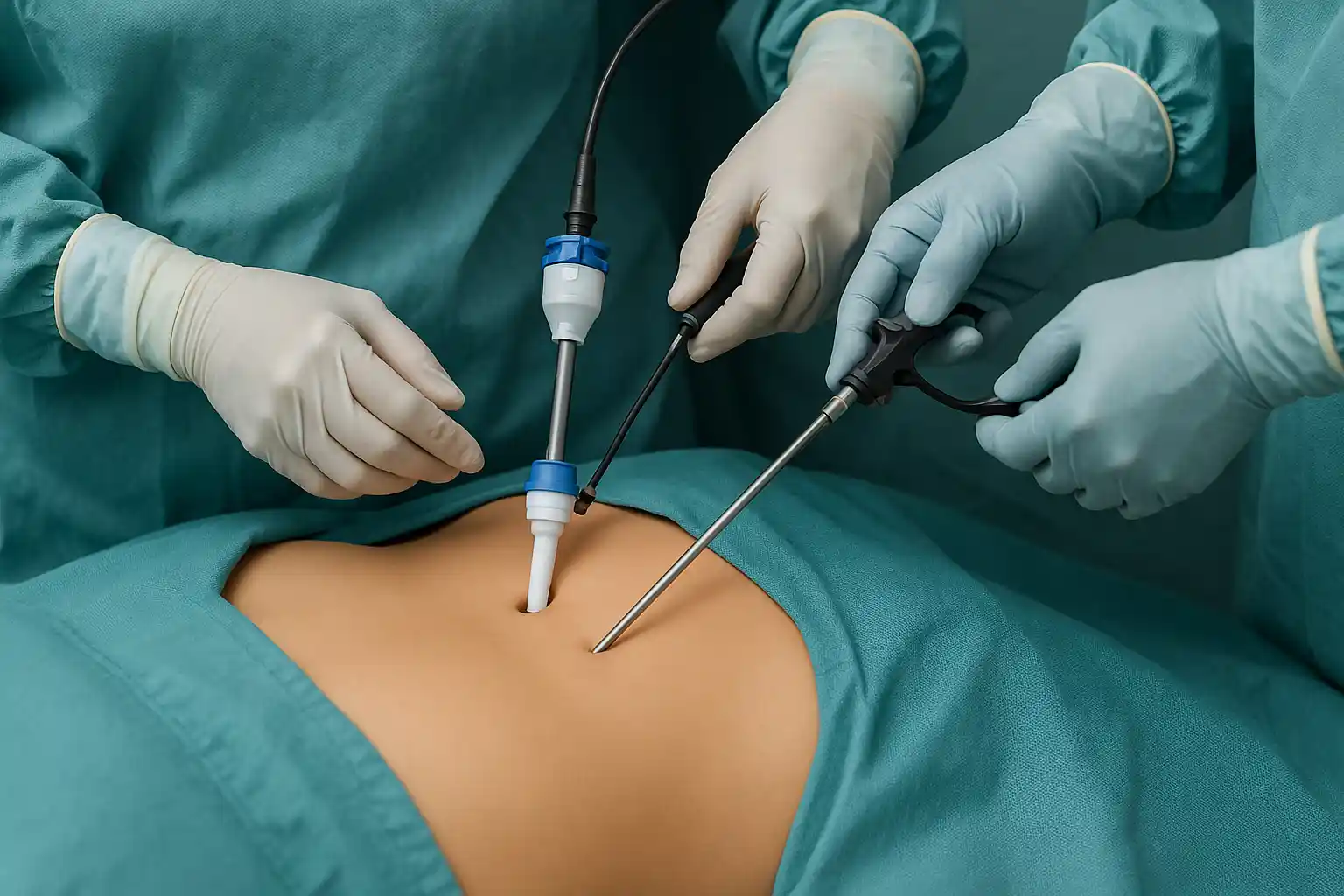
4. Minimally Invasive Surgical Procedures
When conservative treatments do not provide sufficient relief, surgical management may be considered for stress urinary incontinence.
Laparoscopic Burch colposuspension: This procedure supports the tissues around the bladder neck and urethra using keyhole surgical techniques. It may be considered for selected patients who require additional urethral support.
Laparoscopic sling procedure: In appropriate cases, a sling can provide support beneath the urethra to reduce leakage during activities that increase abdominal pressure. The choice of sling and its suitability should be discussed carefully, including the benefits and potential risks of any implant material.
Urethral bulking injections: A material is injected around the urethra to improve closure. This option may be suitable for selected patients, although results can vary and repeat treatment may be necessary.
Not every patient needs surgery. A specialist should explain available alternatives, expected recovery, possible complications, and the likelihood of symptom improvement before treatment begins. The appropriate procedure depends on the individual diagnosis.
Why Consult Dr. Maitreyee Parulekar?
Dr. Maitreyee Parulekar is a gynaecologist and minimally invasive gynaecological surgeon with advanced training in laparoscopic, robotic, and gynaecological oncology procedures. Her qualifications include MBBS, MS in Obstetrics and Gynaecology from Seth G.S. Medical College and KEM Hospital, MRCOG (UK), and FMAS (MUHS). She also completed fellowship training in gynaecological oncosurgery and robotic surgery at Seoul National University Hospital, South Korea, and specialised training in minimally invasive gynaecology in Toronto, Canada.
Her academic background includes research publications and presentations at professional conferences. This experience in complex gynaecological care and minimally invasive surgery provides a relevant foundation for evaluating women with pelvic floor and urinary concerns.
Women seeking a Gynecologist In Vile Parle, Mumbai can consult Dr. Maitreyee Parulekar at Kirit Nursing Home. Her practice includes general gynaecology and minimally invasive procedures, with an emphasis on understanding the patient’s condition and discussing suitable treatment choices. Patients can expect an opportunity to discuss sensitive symptoms, understand investigations, and review options before deciding on a care plan.
Women searching for a Top Gynae Oncologist In Mumbai may also find her specialised surgical qualifications relevant when considering her broader gynaecological expertise. However, urinary incontinence management should be based on the specific diagnosis rather than on a doctor’s oncology credentials alone.
Benefits of Seeking Timely Treatment
Getting medical advice early can help women understand the cause of leakage and avoid unnecessary disruption to daily life. Appropriate treatment may help:
- Reduce urine leakage during exercise and routine activities.
- Improve bladder control and confidence.
- Reduce the need for frequent bathroom visits, depending on the diagnosis.
- Support better sleep and participation in social activities.
- Identify other conditions that may be contributing to urinary symptoms.
The outcome depends on the underlying problem, the selected treatment, and the patient’s response. Follow-up appointments help assess progress and determine whether the treatment plan needs adjustment.
Recovery and Aftercare
Recovery depends on whether treatment involves exercises, medication, injections, or surgery. Following a procedure, patients should follow their doctor’s instructions regarding wound care, activity restrictions, pain management, and follow-up visits.
After surgery, heavy lifting and strenuous exercise may need to be avoided temporarily. Patients should ask when they can safely return to work, driving, exercise, and sexual activity. Fever, worsening pain, difficulty passing urine, or other unexpected symptoms should be reported promptly.
Long-term management may include pelvic floor exercises, healthy lifestyle habits, and periodic review of bladder symptoms. Individualised follow-up is particularly important if leakage persists or returns.
Frequently Asked Questions
1. Can urinary incontinence be treated without surgery?
Yes. Many women benefit from pelvic floor muscle training, bladder training, lifestyle changes, or medication, depending on the type and severity of their symptoms. Surgery may be considered when conservative treatments are insufficient.
2. What is the main cause of urinary leakage in women?
Common causes include weakened pelvic floor muscles after childbirth, menopause-related tissue changes, overactive bladder, obesity, and certain medical conditions. A medical evaluation helps identify the underlying cause.
3. Is urinary incontinence surgery safe?
Surgery may be appropriate for selected patients, but every procedure has potential risks. The doctor will discuss suitable options, expected benefits, complications, and recovery requirements before treatment.
4. When should I consult a doctor for urinary incontinence?
Consult a doctor if leakage is persistent, worsening, affecting daily activities, or accompanied by urinary urgency. Blood in the urine, fever, painful urination, or sudden inability to urinate requires prompt medical assessment.
Book a Consultation with Dr. Maitreyee Parulekar
Urinary leakage does not have to limit your lifestyle or confidence. If you are experiencing bladder control problems, seek professional guidance to understand the cause and explore suitable treatment options.
Contact Dr. Maitreyee Parulekar at Kirit Nursing Home to discuss your symptoms and arrange an appointment.
+91 72087 27500 | +91 97023 58222
info@drmaitreyeegynec.in
Get Directions to the Clinic – Kirit Nursing Home, Vile Parle
Take the first step towards better bladder health with a personalised medical consultation.