
As a medical journalist researching specialised hair and scalp care in Mumbai, I found that hair fall can affect people of different ages and genders and may have several underlying causes. Genetics, hormonal changes, nutritional deficiencies, stress, medical conditions, medications and scalp disorders can all contribute to excessive shedding or thinning. Individuals seeking Hair loss treatment in Mumbai often require a detailed evaluation to identify the underlying cause before starting treatment. At Ambrosia Aesthetics, Dr. Niketa Sonavane evaluates hair and scalp concerns with attention to the possible underlying cause before recommending treatment. Her approach may include topical medicines, oral medications, nutritional support and procedures such as PRP, mesotherapy, GFC and low-level laser therapy, depending on the patient’s diagnosis.
Understanding Hair Loss and Hair Fall
Hair shedding is a normal part of the hair-growth cycle. The scalp moves through growing, transitional, resting and shedding phases. The reference information notes that losing approximately 50 to 100 hairs a day can be normal, although the amount can vary between individuals. Excessive shedding becomes more concerning when the scalp becomes increasingly visible, hair density decreases or bald patches develop.
Hair loss can occur gradually or suddenly. Common causes include hereditary pattern hair loss, hormonal changes, stress, nutritional deficiencies, certain medical conditions and medications. Conditions such as alopecia areata, telogen effluvium, traction alopecia, tinea capitis and scarring alopecia may require different forms of treatment.
For individuals considering Hair loss treatment in Mumbai, identifying the cause is an important first step because a treatment that is suitable for genetic hair loss may not be appropriate for an inflammatory or nutritional hair-loss condition.
Hair Loss Treatment in Mumbai: Available Treatment Options
There is no single treatment that works for every type of hair loss. Dr. Niketa Sonavane’s practice describes a range of medical and procedural options that can be selected according to the patient’s condition.
Minoxidil and Finasteride
Minoxidil is a commonly used topical medicine for certain types of hair loss. The reference information describes 5% topical minoxidil for male pattern hair loss and 2% formulations for women with thinning hair. Treatment generally needs to be continued regularly to maintain its benefits.
Finasteride is an oral medication used primarily for male pattern hair loss. It works by reducing the conversion of testosterone to dihydrotestosterone (DHT), a hormone involved in follicle miniaturisation in androgenetic alopecia. It is a prescription medicine and should only be taken following appropriate medical assessment because it has potential side effects.
Nutritional Assessment and Supplements
Hair growth depends on adequate nutrition. Iron, zinc and certain vitamins are important for normal hair and follicle function. When hair loss is associated with a nutritional deficiency, correcting that deficiency may form part of the treatment plan.
Dr. Niketa Sonavane’s hair-loss approach includes investigating potential internal causes and may involve blood tests to identify deficiencies or imbalances. This can be particularly relevant when hair shedding is diffuse or occurs after illness, significant weight loss, pregnancy or periods of stress.
PRP Hair Treatment
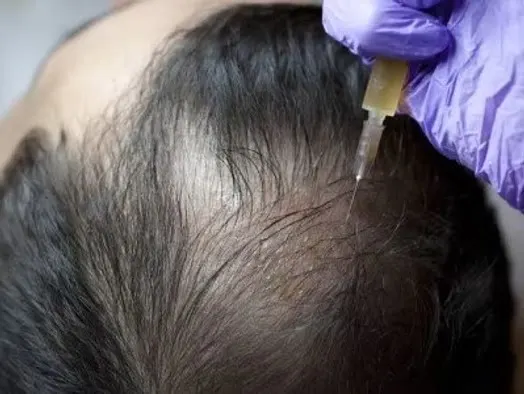
Platelet-rich plasma, or PRP, is a procedure in which a patient’s blood is collected and processed to concentrate platelets before being administered into selected areas of the scalp. The practice describes PRP as a hair-growth treatment intended to stimulate follicles and support regrowth.
PRP may be considered for selected forms of hair thinning, but the expected response varies between patients. A dermatologist can determine whether it is appropriate based on the diagnosis, degree of follicle miniaturisation and overall scalp health.
Scalp Mesotherapy
Mesotherapy involves delivering selected substances into the scalp through multiple small injections. The practice describes the use of ingredients such as vitamins, minerals and other compounds intended to support follicular health and circulation.
Because formulations and protocols can differ, patients should ask their dermatologist about the substances being used, expected benefits, number of sessions and potential adverse effects before treatment.
GFC Hair Treatment
Growth Factor Concentrate, or GFC, is another regenerative hair treatment offered at Ambrosia Aesthetics. The practice describes GFC as using growth factors derived from the patient’s blood and administering them into the scalp to support follicular activity and hair density.
Low-Level Laser Therapy
Low-level laser therapy (LLLT) uses low-intensity light energy to stimulate hair follicles. The practice describes it as a non-invasive and painless option that can be performed in a clinical setting or with appropriate home devices.
For a patient seeking Hair loss treatment in Mumbai, the appropriate combination of therapies depends on the type and severity of hair loss rather than simply selecting the newest procedure.
Dr. Niketa Sonavane: Qualifications and Clinical Experience
Dr. Niketa Sonavane is a dermatologist, skin specialist and hair specialist practising in Mumbai. According to her professional profile, she completed her MBBS with distinction in 2004 and was among the toppers of her batch in 1999. She subsequently completed a Diploma in Dermatology and Venereology (DDV) at Topiwala National Medical College and BYL Nair Hospital, Mumbai.
The profile states that Dr. Niketa Sonavane has more than 17 years of professional experience and has treated more than 10,000 patients. Her clinical interests include dermatology, cosmetic dermatology and hair-related concerns.
Her training has also included personalised international exposure with dermatologists and plastic surgeons from countries including Australia, Singapore, Brazil, the United Kingdom, France, Spain, Canada and Germany.
For patients comparing a Top Dermatologist in Mumbai, these academic qualifications, clinical experience and additional international training are relevant factors to consider alongside expertise in the specific hair condition being treated.
Expertise in Hair and Scalp Disorders
Dr. Niketa Sonavane’s practice addresses multiple forms of hair loss, including male and female pattern hair loss, diffuse hair loss and patchy hair loss. The clinic’s information also discusses conditions such as alopecia areata, anagen effluvium, tinea capitis, scarring alopecia, traction alopecia and trichotillomania.
For patchy hair loss, accurate diagnosis is particularly important because inflammatory, infectious and autoimmune conditions can require substantially different treatments. The practice notes that some less common causes may require further investigation, including scalp biopsy in selected cases.
Similarly, diffuse hair loss may follow stress, illness, pregnancy, sudden weight loss or lifestyle changes. Understanding the trigger can help determine whether the condition is likely to improve after the underlying factor is addressed.
Clinic Environment at Ambrosia Aesthetics
Ambrosia Aesthetics is located in Lokhandwala Complex, Andheri West, Mumbai. The clinic provides dermatology, skin and hair treatments, with Dr. Niketa Sonavane’s practice describing an approach based on personalised treatment plans for individual skin, hair and body concerns.
The practice also provides online consultation options and pre-planned clinic visits for selected patients. Its published patient feedback frequently mentions detailed consultations and explanations of treatment options, although such testimonials represent individual experiences rather than clinical evidence.
Choosing a Dermatologist for Hair Loss
When selecting a Dermatologist in Mumbai for hair loss, patients should consider whether the doctor has formal dermatology training and experience with the specific type of hair loss they are experiencing. It is also useful to understand whether the proposed treatment addresses the underlying cause or primarily focuses on stimulating hair growth.
A consultation may include medical history, examination of the scalp and hair, assessment of the pattern of loss and, when appropriate, blood investigations. This diagnostic process can help distinguish between nutritional, hormonal, hereditary, inflammatory and other causes.
Patients considering Hair loss treatment in Mumbai should also discuss realistic expectations. Some conditions can improve substantially with treatment, while genetic hair loss may require long-term management to maintain results.
Benefits, Risks and Aftercare
The potential benefit of appropriate hair-loss treatment is reduced shedding, improved hair density or stimulation of regrowth, depending on the diagnosis and treatment selected. However, results vary and usually require consistent treatment over time.
Topical minoxidil may cause scalp irritation in some patients, while oral medications such as finasteride can have systemic side effects. Injection-based procedures may cause temporary discomfort, redness or swelling. Patients should discuss individual risks, contraindications and expected recovery with their dermatologist before starting treatment.
Maintaining a balanced diet, managing stress, avoiding excessive traction from tight hairstyles and treating scalp conditions can also support overall hair health.
Consultation and CTA for Dr. Niketa Sonavane
Patients experiencing persistent shedding, progressive thinning, receding hairlines or bald patches can contact Dr. Niketa Sonavane at Ambrosia Aesthetics for an individual assessment.
📞 9930993600 | 9930992400
📧 dr.niketa@live.com
Get Directions to the Clinic – Ambrosia Aesthetics, Mumbai
If you are concerned about ongoing hair fall or thinning, contact Dr. Niketa Sonavane to schedule a consultation. The clinic can provide directions to Ambrosia Aesthetics and help you understand the diagnostic and treatment options suitable for your hair and scalp condition.
FAQs
1. What causes excessive hair loss?
Hair loss can result from genetics, hormonal changes, stress, nutritional deficiencies, medical conditions, medications and scalp disorders. Identifying the underlying cause is important for choosing appropriate treatment.
2. What treatments are available for hair loss?
Depending on the diagnosis, treatment may include minoxidil, prescription medications, nutritional correction, PRP, GFC, scalp mesotherapy and low-level laser therapy. Not every treatment is suitable for every patient.
3. Is losing hair every day normal?
Yes. Daily hair shedding is part of the normal hair cycle. The reference information states that approximately 50–100 hairs may be shed daily, although this varies between individuals. Persistent excessive shedding or visible thinning should be evaluated.
4. Can hair loss be completely reversed?
It depends on the cause. Some forms of hair shedding, including certain cases of telogen effluvium or traction alopecia, can improve when the underlying trigger is addressed. Genetic hair loss may require ongoing treatment to maintain hair density.