
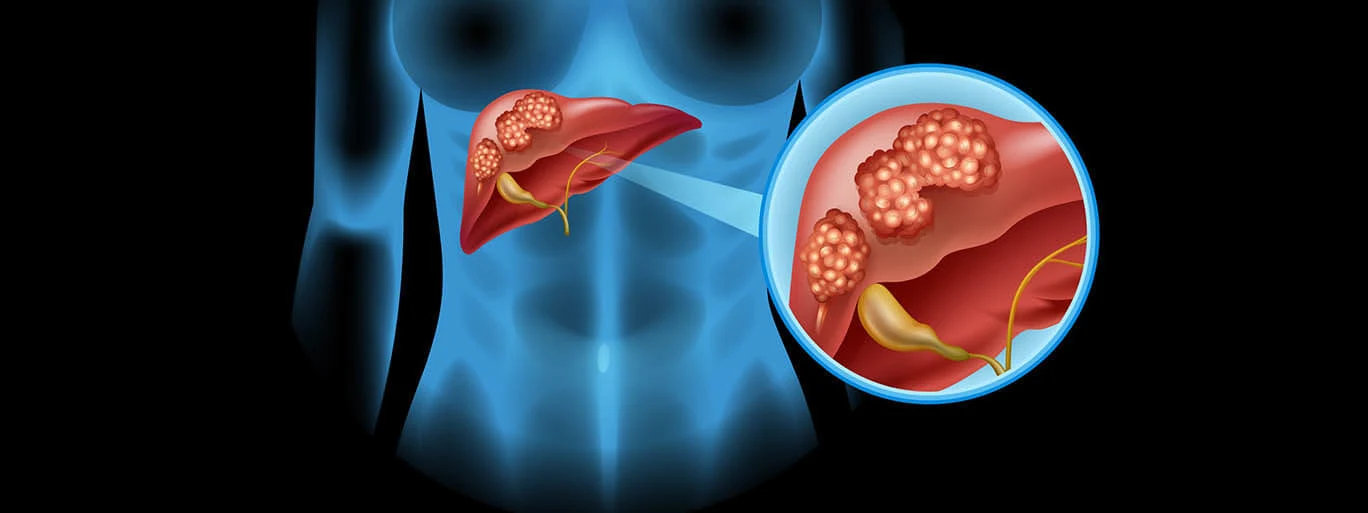
A liver cancer diagnosis can be overwhelming for patients and families. Treatment decisions often depend on the type of liver cancer, its stage, tumor location, liver function, overall health, and whether the disease has spread to other organs. Because liver surgery can involve complex anatomy and, in selected cases, blood-vessel reconstruction or transplantation, choosing a specialist with focused hepatobiliary experience is important.
For patients searching for a doctor for liver cancer in Mumbai, Dr. Ganesh Nagarajan at Cancer Surgery Clinic specializes in gastrointestinal, hepatobiliary, and pancreatic surgical oncology. His training includes surgical oncology at Tata Memorial Hospital and a fellowship in hepatobiliary pancreatic surgery and liver transplantation at Hospital Beaujon, Paris.
Understanding Liver Cancer
Liver cancer develops when abnormal cells in the liver grow uncontrollably. Primary liver cancers begin in the liver itself, while secondary or metastatic liver tumors originate elsewhere and spread to the liver.
Common primary liver cancers include hepatocellular carcinoma and cholangiocarcinoma. Treatment differs according to the cancer type and individual circumstances.
Some people may have symptoms such as:
- Unexplained weight loss
- Loss of appetite
- Abdominal discomfort or pain
- Jaundice
- Persistent fatigue
- Abdominal swelling
- Nausea
- An enlarged liver
However, liver cancer can sometimes be detected before noticeable symptoms develop, particularly in people who undergo surveillance because of underlying liver disease.
A new symptom does not automatically mean cancer, but persistent or unexplained symptoms should be medically evaluated.
Why a Liver Cancer Specialist Matters
Liver cancer surgery requires detailed understanding of the liver’s anatomy, blood supply, bile ducts, and relationship with surrounding structures.
A surgical oncologist specializing in hepatobiliary and pancreatic cancers can evaluate whether surgery is appropriate and, when it is, determine the most suitable surgical approach.
Treatment planning may involve a multidisciplinary team comprising surgical oncology, medical oncology, radiation oncology, radiology, pathology, hepatology, and other specialists.
Cancer Surgery Clinic describes its approach as personalized treatment planning for gastrointestinal and hepatobiliary-pancreatic cancers, with different modalities such as surgery, chemotherapy, and radiation coordinated according to the patient’s needs.
Diagnosis and Evaluation of Liver Cancer
Before treatment is selected, the cancer needs to be accurately characterized.
Evaluation may involve:
- Medical history and physical examination
- Blood tests
- Liver-function assessment
- Tumor-marker testing when appropriate
- Ultrasound
- CT scan
- MRI
- Other specialized imaging
- Biopsy in selected situations
Not every patient requires a biopsy. The need for tissue diagnosis depends on the clinical and imaging findings.
The treatment team also needs to assess how well the remaining liver is likely to function after treatment. This is particularly important when surgery is being considered.
Treatment Options for Liver Cancer
There is no single treatment suitable for every liver cancer patient. Options may include surgery, ablation, transplantation, embolization-based treatments, systemic therapies, radiation, or combinations of these approaches.
Surgical Resection
Surgical removal of the tumor along with an appropriate portion of surrounding liver tissue may be considered when the disease is technically resectable and the patient has adequate liver reserve.
The objective is to remove the cancer while preserving sufficient healthy liver.
Liver Transplantation
For carefully selected patients with certain forms and stages of liver cancer, liver transplantation can be an important treatment option.
A transplant replaces the diseased liver and removes the tumor-bearing organ. Eligibility depends on factors such as cancer type, tumor burden, liver function, overall health, and established transplant criteria.
Dr. Nagarajan completed specialized fellowship training in hepatobiliary pancreatic surgery and liver transplantation at Hospital Beaujon in Paris.
Minimally Invasive and Robotic Surgery
Advances in surgical technology have created minimally invasive options for selected liver and gastrointestinal procedures.
Robotic and laparoscopic approaches may provide advantages such as smaller incisions and potentially faster recovery in appropriately selected patients. However, these techniques are not suitable for every tumor.
Dr. Nagarajan’s listed expertise includes robotic and laparoscopic gastrointestinal and hepatobiliary-pancreatic oncologic surgery.
Complex Hepatobiliary Surgery
Some liver tumors involve major blood vessels or structures around the liver. Such cases may require advanced surgical planning and, in selected circumstances, vascular resection and reconstruction.
Dr. Nagarajan’s professional profile specifically lists vascular resections and reconstructions among his areas of expertise.
About Dr. Ganesh Nagarajan
Dr. Ganesh Nagarajan is a senior surgical oncologist specializing in gastrointestinal and hepatobiliary-pancreatic cancers.
His qualifications include MBBS from Bombay University, MS in General Surgery from Bombay University, FCPS, a four-year surgical oncology residency at Tata Memorial Hospital, and a fellowship in hepatobiliary pancreatic surgery and liver transplantation at Hospital Beaujon, Paris.
His professional profile states that he has performed more than 2,000 complex GI cancer surgeries and has consulted more than 15,000 patients with gastrointestinal and hepatobiliary-pancreatic cancers. It also identifies him as Vice Chairman/Director-level leadership in Hepatobiliary, Pancreatic and Gastrointestinal Oncology at Nanavati Max Institute of Cancer Care.
His areas of expertise include:
- Liver cancer
- Pancreatic cancer
- Gastric cancer
- Esophageal cancer
- Colorectal malignancies
- Neuroendocrine tumors
- Abdominal sarcomas
- Hepatobiliary surgery
- Pancreatic surgery
- Gastrointestinal oncologic surgery
- Robotic and laparoscopic cancer surgery
The combination of dedicated surgical-oncology training and focused HPB experience makes him a specialist option for complex liver and gastrointestinal cancer cases.
Cancer Surgery Clinic: Personalized Cancer Care
Cancer Surgery Clinic focuses on gastrointestinal, hepatobiliary, pancreatic, and related cancers. The clinic states that each patient is personally evaluated and provided with an individualized treatment plan.
The clinic also emphasizes comprehensive cancer care and coordination between different treatment modalities. Its stated approach recognizes that cancer affects both patients and families and includes support and counselling as part of the care journey.
For patients looking for an onco surgeon in Mumbai, a specialist clinic with a focus on complex GI and HPB cancers can provide an appropriate setting for detailed surgical evaluation.
What Makes a Good Liver Cancer Consultation?
A productive consultation should provide clarity about the diagnosis and available options.
Patients should ideally bring:
- Previous CT or MRI scans
- Pathology or biopsy reports, if available
- Blood-test results
- Previous treatment records
- Current medication details
- Reports from other specialists
Important questions to discuss include:
- What type of liver cancer is present?
- What is the stage?
- Is surgery possible?
- How much liver would need to be removed?
- Is transplantation an option?
- Are minimally invasive techniques appropriate?
- Is chemotherapy or another treatment needed before surgery?
- What are the expected benefits and risks?
- What follow-up will be required?
A second opinion can also be useful when surgery is complex or when several treatment options are available.
Robotic and Advanced Surgical Expertise
Patients may encounter the term Robotic Cancer Surgeon when researching advanced cancer surgery. Robotic surgery does not mean that a robot independently performs the operation. The surgeon controls the robotic surgical system.
For suitable cases, robotic and laparoscopic techniques can provide enhanced visualization and precise instrument control. Whether robotic surgery is appropriate depends on the tumor’s location, size, stage, involvement of surrounding structures, previous operations, and the surgeon’s assessment.
Dr. Nagarajan’s listed advanced procedures include robotic and laparoscopic GI and HPB oncologic surgery.
The Importance of Individualized Treatment
Liver cancer is not one disease with one standard treatment. Two patients with tumors in different parts of the liver may require completely different approaches.
Treatment planning must account for:
- Cancer type
- Stage
- Number and size of tumors
- Tumor location
- Liver function
- Cirrhosis or other liver disease
- Overall health
- Previous treatment
- Whether the cancer has spread
For this reason, online information should complement—not replace—a consultation with a qualified cancer specialist.
Schedule Your Consultation Today
If you or a loved one has been diagnosed with liver cancer or has a suspicious liver lesion, timely evaluation by a specialist can help you understand the diagnosis and available treatment pathways.
Consult Dr. Ganesh Nagarajan at Cancer Surgery Clinic for expert evaluation and personalized surgical-oncology care.
📧 hello@cancersurgeryclinic.com
📍 Get directions to the clinic
Frequently Asked Questions
1. When should I see a liver cancer specialist?
You should seek specialist evaluation if liver cancer has been diagnosed or if imaging has identified a suspicious liver tumor. Early specialist assessment can help establish the diagnosis, stage, and available treatment options.
2. Is surgery always required for liver cancer?
No. Surgery is appropriate only for selected patients. Depending on the cancer and the patient’s condition, treatment may involve surgery, transplantation, ablation, embolization, systemic therapy, radiation, or combinations of these approaches.
3. Can liver cancer be treated with robotic surgery?
Robotic surgery may be appropriate for selected liver and hepatobiliary tumors. It is not suitable for every patient or every tumor. Dr. Nagarajan’s listed expertise includes robotic and laparoscopic GI and HPB oncologic surgery.
4. Can I seek a second opinion from Dr. Ganesh Nagarajan?
Yes. The Cancer Surgery Clinic profile specifically states that Dr. Nagarajan provides second opinions, particularly for complex gastrointestinal and hepatobiliary-pancreatic cases.