
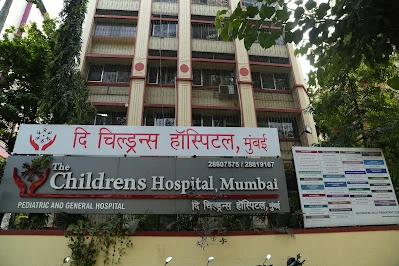
Children grow and develop rapidly, and hormones play an important role in regulating height, puberty, metabolism, blood sugar, bone health, and many other functions. When a child experiences unusual growth, delayed or early puberty, unexplained changes in weight, persistent low blood sugar, or other hormonal concerns, specialized pediatric evaluation can help identify the underlying problem.
The Children’s Hospital Mumbai provides dedicated pediatric endocrinology services alongside multiple pediatric and critical-care specialties. Its pediatric endocrinology department manages a range of complex endocrine conditions, including congenital adrenal hyperplasia, ambiguous genitalia, Bartter syndrome, pseudohypoaldosteronism, hypopituitarism, persistent hypoglycemia, and diabetic ketoacidosis.
For families searching for the Best Pediatric Endocrinologist in Mumbai, a child-focused hospital environment can offer the advantage of coordinated care designed specifically around infants, children, and adolescents.
What Does a Pediatric Endocrinologist Do?
A pediatric endocrinologist is a doctor who specializes in hormonal and metabolic conditions affecting children and teenagers.
The endocrine system includes glands and hormones that influence:
- Growth and height
- Puberty and sexual development
- Thyroid function
- Blood glucose
- Bone development
- Adrenal function
- Calcium and vitamin D metabolism
- Body weight and metabolism
- Reproductive development
Because children’s bodies are still developing, hormonal disorders can affect several aspects of physical and emotional development. Early assessment may therefore be particularly important when a child’s growth or development appears different from expected patterns.
Pediatric Endocrinology at The Children’s Hospital Mumbai
The Children’s Hospital Mumbai has pediatric endocrinology as one of its dedicated pediatric super-specialties. The hospital also provides pediatric surgery, neurology, hematology-oncology, nephrology, cardiology, gastroenterology, ophthalmology, orthopedics, clinical genetics, and dentistry services.
This broad range of specialties can be valuable when a child has more than one medical concern or requires evaluation by multiple specialists.
The hospital’s stated approach emphasizes child-specific care rather than treating children simply as smaller versions of adults. Its pediatric services are designed around the distinct physiological and emotional needs of infants, children, and adolescents.
Conditions Managed by Pediatric Endocrinology
Hormonal problems can appear in many different ways. Some are detected during routine pediatric examinations, while others become noticeable because of symptoms or abnormal laboratory results.
Growth and Height Problems
Growth concerns are among the common reasons parents seek pediatric endocrine assessment. A child may be evaluated for unusually slow growth, poor height gain, or growth that differs considerably from family expectations.
Assessment can include growth charts, examination, nutritional history, family height patterns, and appropriate laboratory or imaging investigations.
Early or Delayed Puberty
Puberty normally occurs within a broad but predictable age range. When physical changes begin unusually early or fail to appear when expected, an endocrine evaluation may be recommended.
A specialist can assess hormonal development and determine whether further investigation or treatment is necessary.
Thyroid Disorders
Thyroid hormones influence metabolism, energy, growth, and development. Children may experience either an underactive or overactive thyroid.
Depending on the situation, evaluation may include thyroid blood tests and other investigations.
Diabetes and Blood Sugar Disorders
Pediatric endocrinology also plays an important role in managing diabetes and other glucose-related disorders.
The Children’s Hospital Mumbai notes that diabetic ketoacidosis is among the emergencies encountered in its Pediatric Intensive Care Unit. The department also reports managing difficult cases of persistent hypoglycemia.
Low blood sugar in infants and children can have numerous causes, so persistent or severe episodes require appropriate medical evaluation.
Adrenal and Metabolic Conditions
The hospital specifically lists conditions such as congenital adrenal hyperplasia, pseudohypoaldosteronism, and Bartter syndrome among pediatric endocrine disorders diagnosed and managed there.
These conditions can require detailed assessment, laboratory monitoring, medication, and long-term follow-up.
Hypopituitarism
The pituitary gland regulates several important hormones involved in growth, thyroid function, adrenal function, and reproductive development.
Hypopituitarism can therefore have multiple effects on a child’s health and development and may require coordinated endocrine care.
Why Choose a Child-Focused Hospital?
Children may respond differently to medical examinations, procedures, hospitalization, and stress compared with adults. A pediatric-focused environment can help healthcare teams adapt their communication and clinical approach accordingly.
The Children’s Hospital Mumbai describes a warm, supportive environment and a family-centered approach to pediatric care. Its stated mission is to improve the health and well-being of children and their families through comprehensive care and clinical service excellence.
The hospital also provides inpatient and outpatient services, a Neonatal Intensive Care Unit, a Pediatric Intensive Care Unit, diagnostic facilities such as X-ray, EEG, OAE and 2D Echo, and multiple pediatric subspecialties.
Qualified Pediatric Specialists Under One Roof
The hospital’s published doctors list includes pediatricians and specialists with qualifications such as MBBS, DCH, MD, DNB, M.Ch., and specialized fellowship training. The published list includes doctors such as Dr. Marionette Pereira, Dr. Susan Fernandes, Dr. Allan Pereira, Dr. Krupali Kaku, Dr. Priyanka Halan, Dr. Murlidhar Mahajan, and Dr. Rajashree Nerurkar.
For pediatric endocrinology specifically, current third-party hospital listings identify Dr. Ruchi Parikh as an endocrinologist and pediatrician associated with The Children’s Hospital Mumbai, with qualifications listed as MBBS and DNB in Paediatrics.
Because the hospital’s own accessible doctors page does not currently provide a dedicated endocrinologist profile, families should confirm the current endocrinology consultant and appointment schedule directly with the hospital before visiting.
When Should Parents Consult a Pediatric Endocrinologist?
Parents should consider specialist evaluation when a child has persistent or unexplained concerns such as:
- Poor or unusually rapid growth
- Significant differences in height compared with expected growth patterns
- Early signs of puberty
- Delayed puberty
- Excessive thirst or frequent urination
- Repeated episodes of low blood sugar
- Unexplained weight changes
- Persistent fatigue
- Abnormal thyroid or hormone test results
- Concerns about genital development
- Unexplained calcium or bone-related problems
Not every variation in growth or development indicates a hormonal disorder. A pediatric endocrinologist can determine whether further testing is necessary.
Comprehensive and Compassionate Pediatric Care
A major advantage of a multidisciplinary children’s hospital is the ability to coordinate care when a child needs different types of medical expertise.
For example, a child with a congenital condition may require pediatric endocrinology, pediatric surgery, genetics, neonatology, or another specialty. The Children’s Hospital Mumbai provides several of these pediatric services within the same institution.
This integrated model can make it easier for families to navigate complex medical conditions and receive appropriately coordinated care.
Preparing for Your Child’s Endocrinology Appointment
Parents can make the consultation more productive by carrying:
- Previous blood-test reports
- Growth charts, if available
- Previous medical records
- Medication details
- Vaccination records
- Imaging reports
- A list of symptoms and when they began
- Relevant family medical history
It can also be useful to note changes in height, weight, appetite, sleep, thirst, urination, or developmental milestones.
The doctor may recommend additional tests depending on the child’s symptoms and examination findings. Testing should be individualized rather than performed solely because a particular condition is suspected.
Schedule Your Child’s Consultation Today
If your child has concerns related to growth, puberty, blood sugar, thyroid function, or other hormonal conditions, timely evaluation can help identify the cause and guide appropriate care.
Consult the pediatric endocrinology team at The Children’s Hospital Mumbai for child-focused evaluation and comprehensive pediatric care.
📍 The Children’s Hospital Mumbai
📞 9324394702 | 8976085869
☎️ 022-40116860
✉ thechildrenshospitalmumbai@gmail.com
Frequently Asked Questions
1. What does a pediatric endocrinologist treat?
A pediatric endocrinologist evaluates hormonal and metabolic conditions affecting children, including growth disorders, thyroid problems, diabetes, puberty-related concerns, adrenal disorders, hypoglycemia, and other endocrine conditions.
2. When should my child see a pediatric endocrinologist?
Consider an evaluation when your child has unexplained growth problems, early or delayed puberty, recurrent blood-sugar abnormalities, unusual weight changes, abnormal hormone tests, or other persistent concerns related to growth and development.
3. Does The Children’s Hospital Mumbai offer pediatric endocrinology?
Yes. Pediatric endocrinology is listed as one of the hospital’s dedicated pediatric services. The department reports managing conditions including congenital adrenal hyperplasia, hypopituitarism, persistent hypoglycemia, and diabetic ketoacidosis.
4. Can children with complex medical conditions receive multiple specialist services?
Yes. The hospital offers multiple pediatric specialties, including endocrinology, neurology, nephrology, cardiology, gastroenterology, hematology-oncology, orthopedics, surgery, and clinical genetics.