
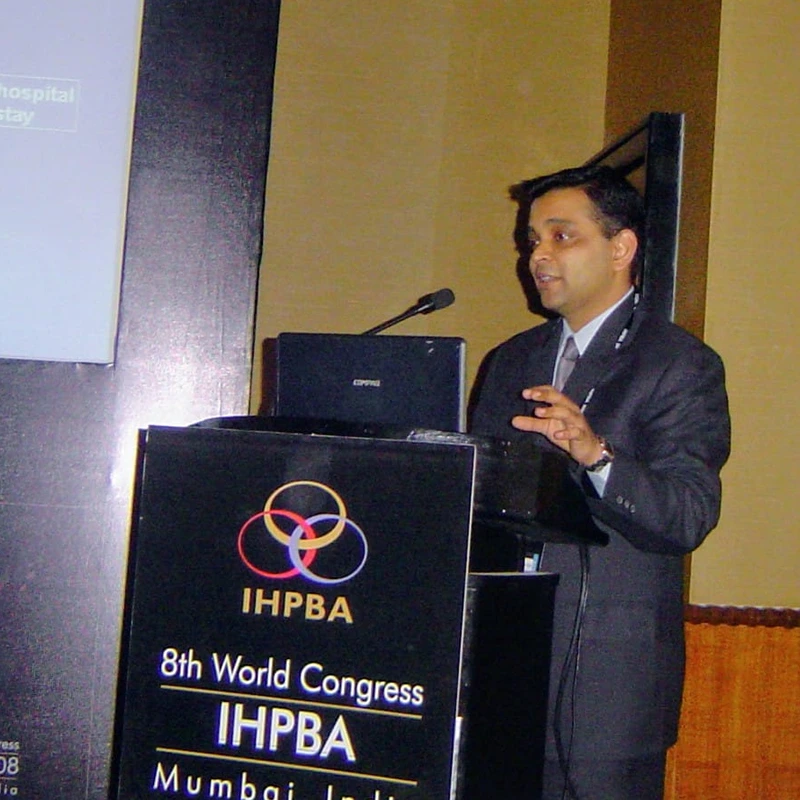
While researching specialised cancer care in Mumbai, I found that biliary cancers require particularly careful evaluation because the bile ducts and gallbladder are closely connected with the liver, pancreas and major blood vessels. Biliary cancer includes malignancies arising in the bile ducts, including cholangiocarcinoma, as well as gallbladder cancer. Treatment depends on the tumour’s location, stage, involvement of nearby structures and whether complete surgical removal is possible. For patients exploring Biliary cancer treatment in Mumbai, Dr. Ganesh Nagarajan has specialised expertise in hepatobiliary, pancreatic and gastrointestinal surgical oncology.
What Is Biliary Cancer?
Biliary cancers develop in the tissues forming the biliary system, which carries bile from the liver and gallbladder to the intestine. They may arise within the gallbladder or different portions of the bile ducts.
One important type is hilar cholangiocarcinoma, also known as a Klatskin tumour. It develops around the confluence where the right and left hepatic ducts meet. According to the Cancer Surgery Clinic’s treatment information, biliary and gallbladder cancers commonly present around the sixth decade of life, although individual risk varies.
Gallbladder cancer may be associated with gallstones, gallbladder polyps, chronic inflammation, an abnormal pancreaticobiliary junction and certain carcinogen exposures. Risk factors described for hilar cholangiocarcinoma include primary sclerosing cholangitis, certain parasitic infections, smoking and choledochal cysts.
Symptoms That Should Not Be Ignored
Biliary cancers may initially cause symptoms that resemble other digestive or gallbladder conditions. Common symptoms described by the clinic include:
- Pain, particularly in the upper-right abdomen
- Abdominal bloating
- Jaundice or yellowing of the eyes and skin
- Unexplained weight loss
- Nausea
- Persistent digestive discomfort
Jaundice can become particularly significant when a tumour obstructs the bile ducts. Persistent or worsening symptoms should therefore be medically evaluated rather than repeatedly attributed to acidity or gallstones.
Biliary Cancer Treatment in Mumbai: How Is It Diagnosed?
The diagnostic process aims to establish the type of cancer, its location and whether it can be surgically removed. At specialist centres, assessment can include physical examination, blood investigations and advanced imaging.
Blood tests may include a complete blood count, liver function tests, coagulation profile, CA 19-9, CEA, kidney-function tests and other investigations as clinically indicated. Imaging can include abdominal ultrasound, triple-phase CT, MRCP and PET-CT.
In selected gallbladder cancer cases, an ultrasound-guided biopsy may be recommended, particularly when chemotherapy or radiation is planned. If a patient has obstructive jaundice, procedures such as ERCP or percutaneous transhepatic biliary drainage (PTBD) may be used to relieve the obstruction and improve the patient’s condition before definitive treatment. Advanced disease may require biliary stenting.
Treatment Options for Biliary Cancer
The choice of treatment depends on the tumour’s location, stage, extent of spread, nutritional status and overall fitness. Biliary cancer treatment is frequently multimodal, meaning that surgery, chemotherapy and radiation may be combined or used sequentially.
Surgery
Surgery offers the possibility of long-term disease control or cure in appropriately selected patients when complete tumour removal is feasible.
For gallbladder cancer confined to the gallbladder, surgery may involve radical cholecystectomy with removal of a wedge of liver tissue from segments IVb and V, together with portal lymphadenectomy. Bile duct resection may be necessary in selected cases. Some patients are diagnosed incidentally after undergoing laparoscopic gallbladder removal for presumed gallstones; patients with T2 or more advanced disease may require revision radical cholecystectomy.
For hilar cholangiocarcinoma, treatment can involve major liver resection combined with extrahepatic bile duct removal. Depending on the tumour’s classification, surgeons may perform hepaticojejunostomy to reconnect the bile drainage system with the small intestine. Portal vein reconstruction can also be necessary when the tumour involves the portal vein.
Chemotherapy
Chemotherapy may be considered when gallbladder cancer is potentially unresectable or has spread extensively. It can also be used after surgery in selected patients to reduce the risk of recurrence.
Radiation Therapy
Radiation may have a role when surgical margins are positive or when treatment is being used before surgery to downstage locally advanced disease. The appropriate role depends on the individual cancer and multidisciplinary treatment plan.
Why Specialist Hepatobiliary Expertise Matters
Complex biliary surgery can involve the liver, bile ducts, lymph nodes and occasionally major blood vessels. This makes experience in hepatobiliary and pancreatic surgery an important consideration when selecting a surgeon.
Dr. Ganesh Nagarajan is a surgical oncologist with specialised training in gastrointestinal and hepatobiliary pancreatic surgical oncology. His qualifications include MBBS from Bombay University, MS in General Surgery from Bombay University, FCPS and a four-year surgical oncology residency at Tata Memorial Hospital, Mumbai. He subsequently completed a fellowship in hepatobiliary pancreatic surgery and liver transplantation at Hospital Beaujon in Paris during 2008–09.
His current professional profile identifies him as Vice Chairman of Hepatobiliary Pancreatic and Gastrointestinal Oncology at Nanavati Max Institute of Cancer Care, Mumbai. He has approximately 28 years of overall experience and focuses on complex gastrointestinal and hepatobiliary pancreatic cancers.
Dr. Ganesh Nagarajan’s Clinical Experience and Expertise
Dr. Ganesh Nagarajan‘s professional profile records more than 2,000 complex gastrointestinal cancer surgeries and consultations for more than 15,000 patients with gastrointestinal and hepatopancreatobiliary cancers. His advanced surgical expertise includes robotic and laparoscopic GI and HPB oncology surgery, vascular resections and reconstructions, HIPEC surgery, surgery for portal hypertension and procedures for bile duct strictures or injuries.
He was also previously a Senior Consultant at PD Hinduja National Hospital for nearly a decade. His clinical profile and published academic work include research related to complex hepatopancreatobiliary procedures and vascular reconstruction.
For someone seeking Biliary cancer treatment in Mumbai, this specialised background can be relevant when a tumour requires complex assessment or surgery involving the liver, bile ducts or surrounding structures.
Cancer Surgery Clinic in Mumbai: The Clinical Environment
Cancer Surgery Clinic in Mumbai provides specialist consultations for hepatobiliary, pancreatic and gastrointestinal cancers. The clinic’s approach involves stage-based treatment planning and coordination of surgery, chemotherapy and radiation where appropriate. Patients are counselled regarding staging, operability, nutritional support, expected recovery and follow-up.
The clinic is located at 2nd Floor, Kanaiya Shopping Centre, 202, Linking Road, Bandra West, Mumbai – 400050. Dr. Ganesh Nagarajan also consults at Nanavati Max Institute of Cancer Care in Vile Parle West.
For outstation and international patients, the Bandra clinic is described as being approximately 7 km from Chhatrapati Shivaji Maharaj International Airport, around 3 km from Bandra Terminus and less than 1 km from Khar Road railway station.
What Should Patients Discuss During a Consultation?
A consultation for biliary cancer should cover the exact location of the tumour, stage, resectability, involvement of blood vessels or nearby organs, need for biliary drainage, nutritional status and the potential role of surgery, chemotherapy or radiation.
Patients should ideally bring CT or MRI scans, PET-CT reports, pathology or biopsy reports, blood-test results and previous treatment records. A second opinion may also be useful when surgery is complex or when there is uncertainty regarding operability.
Dr. Ganesh Nagarajan’s profile identifies complex GI and HPB cancer surgery and second-opinion care as important parts of his specialist practice.
Frequently Asked Questions
1. What is biliary cancer?
Biliary cancer refers to cancers arising in the bile ducts and related biliary structures. Cholangiocarcinoma is a major type, while gallbladder cancer is another malignancy involving the biliary system.
2. Is biliary cancer curable?
Some biliary cancers can potentially be treated with curative intent when detected early and completely removed through surgery. In advanced disease, treatment may focus on controlling cancer, relieving symptoms and maintaining quality of life.
3. When is surgery used for biliary cancer?
Surgery is generally considered when the tumour is technically resectable and the patient’s condition permits a major operation. Depending on tumour location, surgery can involve gallbladder removal, bile duct resection, liver resection, lymph-node dissection and reconstruction.
4. Why is multidisciplinary care important for biliary cancer?
Biliary cancers can require several treatment modalities. A multidisciplinary approach allows specialists to coordinate staging, surgery, chemotherapy, radiation, biliary drainage, nutrition and follow-up according to the patient’s individual disease.
Consultation With Dr. Ganesh Nagarajan
If you or a family member has been diagnosed with a biliary or gallbladder cancer, specialist assessment can help clarify the stage, operability and available treatment options. Patients seeking Biliary cancer treatment in Mumbai can contact Dr. Ganesh Nagarajan‘s Cancer Surgery Clinic to discuss their reports and treatment plan.
📞 +91 73046 63828 / +91 7700058024
📧 hello@cancersurgeryclinic.com
Get Directions to the Clinic- Cancer Surgery Clinic