
A hysterectomy is a surgical procedure to remove the uterus and may be recommended for conditions such as fibroids, abnormal uterine bleeding, endometriosis, uterine prolapse or certain gynaecological cancers. During my research into minimally invasive gynaecological surgery in Mumbai, I found that Laparoscopic hysterectomy in Mumbai is an option for selected patients who require removal of the uterus through small abdominal incisions rather than a traditional large abdominal incision. Dr. Maitreyee Parulekar at Kirit Nursing Home provides specialist gynaecological care and has experience in gynaecological surgery and oncology.
Understanding Laparoscopic Hysterectomy in Mumbai
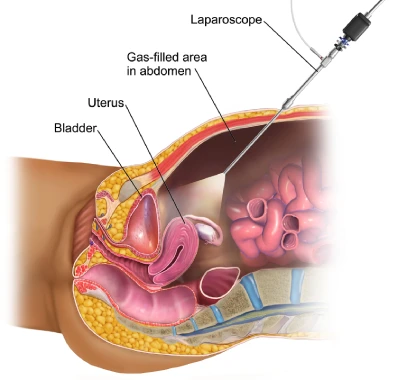
Laparoscopic hysterectomy in Mumbai is a minimally invasive surgical technique used to remove the uterus with the help of a laparoscope, a thin instrument with a camera. The surgeon makes small incisions in the abdomen through which surgical instruments and the camera are introduced.
The camera provides magnified views of the pelvic organs on a monitor, allowing the surgeon to operate through these smaller openings. Depending on the patient’s condition, the cervix, fallopian tubes and ovaries may or may not also be removed.
The exact surgical approach depends on the reason for the hysterectomy, the patient’s age, medical history, reproductive status, anatomy and other clinical factors.
Why Is a Hysterectomy Performed?
A hysterectomy may be considered when other treatments have not adequately controlled a gynaecological condition or when surgery is the most appropriate treatment. Common reasons include:
- Large or symptomatic uterine fibroids
- Persistent abnormal uterine bleeding
- Adenomyosis
- Endometriosis in selected cases
- Uterine prolapse
- Certain precancerous conditions
- Uterine, cervical or ovarian cancers in appropriate cases
- Chronic pelvic conditions that have not responded to other treatments
A hysterectomy is generally considered a major procedure because it permanently removes the uterus and therefore ends the ability to carry a pregnancy.
The decision should be made only after discussing alternatives, expected benefits, potential risks and the patient’s reproductive plans with a qualified gynaecological surgeon.
Types of Hysterectomy
The term hysterectomy can refer to different surgical procedures.
Total Hysterectomy
A total hysterectomy involves removal of the uterus and cervix. Depending on the underlying condition, the fallopian tubes and ovaries may also be removed or preserved.
Partial or Supracervical Hysterectomy
In a supracervical hysterectomy, the main body of the uterus is removed while the cervix is retained.
Radical Hysterectomy
A radical hysterectomy involves removal of the uterus, cervix and surrounding tissues and may be performed for selected gynaecological cancers. The extent of surgery depends on the cancer type and stage.
The appropriate procedure is determined individually rather than simply according to patient preference.
Dr. Maitreyee Parulekar: Qualifications and Clinical Experience
Dr. Maitreyee Parulekar is a gynaecologist and gynaecological oncology specialist associated with Kirit Nursing Home. Her professional profile describes her as a specialist in women’s health with expertise in gynaecological surgery and cancer-related care.
Her clinical experience includes managing a range of gynaecological conditions and complex cases that may require surgical intervention. Her specialised background in gynaecological oncology is particularly relevant when pelvic surgery is required for suspected or confirmed malignancy.
Her professional profile identifies her as a Top Gynae Oncologist In Mumbai, reflecting her specialised clinical focus in cancers affecting the female reproductive system.
For women searching for a Gynecologist In Vile Parle, Mumbai, Dr. Maitreyee Parulekar provides specialist consultation for gynaecological concerns and surgical conditions.
Expertise in Minimally Invasive Gynaecological Surgery
Laparoscopic surgery requires specialised training because the surgeon operates through small openings while viewing the pelvic anatomy on a screen. It can be used for several gynaecological procedures, including selected hysterectomies.
Dr. Maitreyee Parulekar’s practice includes gynaecological surgical care, with her broader expertise extending to gynaecological oncology. Her clinical assessment can help determine whether a laparoscopic approach is suitable for an individual patient.
Not every hysterectomy can or should be performed laparoscopically. Very large uterine fibroids, extensive adhesions, advanced cancer, significant medical conditions or other anatomical factors may influence the choice of surgical approach.
How Laparoscopic Hysterectomy Is Performed
During Laparoscopic hysterectomy in Mumbai, the patient is generally placed under general anaesthesia. The surgeon creates small abdominal openings and introduces a laparoscope and specialised surgical instruments.
Carbon dioxide gas may be used to gently inflate the abdomen, creating space for the surgeon to visualise and operate on the pelvic organs.
The uterus is carefully separated from surrounding tissues and blood vessels. Depending on the planned procedure, the cervix, fallopian tubes or ovaries may also be removed.
The uterus is then removed through an appropriate route determined by its size and the surgical plan. The small abdominal incisions are closed at the end of the procedure.
The duration of surgery varies depending on the complexity of the case and whether additional procedures are required.
Benefits of the Laparoscopic Approach
Potential advantages of Laparoscopic hysterectomy in Mumbai compared with conventional open abdominal surgery may include smaller incisions, less postoperative discomfort, shorter hospitalisation and a quicker return to routine activities for appropriately selected patients.
There may also be less visible scarring compared with a large abdominal incision.
However, minimally invasive surgery is not automatically the best choice for every patient. Surgical safety and successful treatment of the underlying condition remain the primary considerations.
The surgeon may recommend an alternative approach if it provides a safer or more effective option for the patient’s particular condition.
Possible Risks and Complications
Like any major surgery, laparoscopic hysterectomy carries potential risks. These can include:
- Bleeding
- Infection
- Blood clots
- Injury to the bladder, bowel or ureters
- Anaesthesia-related complications
- Formation of adhesions
- Conversion to open surgery when necessary
- Complications related to underlying medical conditions
The risks depend on the patient’s health, the reason for surgery, previous operations, pelvic anatomy and the complexity of the procedure.
A detailed preoperative assessment helps the surgical team identify individual risks and plan appropriately.
Recovery After Laparoscopic Hysterectomy
Recovery varies from one patient to another. Compared with open abdominal hysterectomy, minimally invasive surgery may allow many patients to return to normal activities sooner, although the exact recovery period depends on the procedure and individual health.
Patients may experience abdominal discomfort, fatigue, mild swelling or changes in bowel habits during the early recovery period.
The surgeon may advise avoiding strenuous exercise, heavy lifting and sexual intercourse for a specified period. Follow-up appointments are important to assess healing and address any concerns.
Patients should seek medical attention if they develop heavy bleeding, persistent fever, severe abdominal pain, foul-smelling discharge, breathing difficulty or other concerning symptoms.
Will the Ovaries Be Removed?
Whether the ovaries are removed during hysterectomy depends on several factors, including the patient’s age, medical condition, cancer risk and reason for surgery.
If the ovaries are removed before natural menopause, the patient may experience surgical menopause because ovarian hormone production decreases. If the ovaries are retained, natural hormonal function may continue.
The fallopian tubes may also be removed separately in some circumstances while preserving the ovaries. These decisions should be discussed in detail before surgery.
What Should Patients Discuss Before Surgery?
Before undergoing hysterectomy, patients should discuss:
- The reason surgery is being recommended
- Whether non-surgical treatments are available
- The planned type of hysterectomy
- Whether the cervix, ovaries or fallopian tubes will be removed
- Expected recovery time
- Potential complications
- Impact on fertility
- Possible hormonal effects
- Follow-up requirements
Women who may wish to become pregnant in the future should discuss fertility-preserving alternatives before consenting to hysterectomy.
Clinic Environment at Kirit Nursing Home
Kirit Nursing Home provides a clinical setting for specialist women’s healthcare and gynaecological consultation. Patients can discuss symptoms, investigations, surgical recommendations and treatment options with a specialist.
For patients being evaluated for hysterectomy, the consultation process may include reviewing imaging reports, previous treatments, medical history and the reason surgery has been recommended.
Where surgery is required, the patient’s overall health and individual risk factors can be considered as part of preoperative planning.
Frequently Asked Questions
1. Is laparoscopic hysterectomy safer than open surgery?
Laparoscopic hysterectomy may offer advantages such as smaller incisions and potentially faster recovery for appropriately selected patients. However, safety depends on the patient’s condition, surgical complexity and the surgeon’s assessment. Open surgery may be more appropriate in some cases.
2. Can I become pregnant after a hysterectomy?
No. Because the uterus is removed during a hysterectomy, pregnancy cannot be carried after the procedure. Women who wish to preserve fertility should discuss alternative treatment options before deciding on surgery.
3. How long does recovery take after laparoscopic hysterectomy?
Recovery varies depending on the type and complexity of surgery and the patient’s overall health. Many patients return to routine activities sooner after laparoscopic surgery than after open abdominal surgery, but the surgeon provides individual guidance.
4. Are the ovaries always removed during hysterectomy?
No. The ovaries do not necessarily need to be removed. The decision depends on the patient’s age, medical condition, cancer risk and reason for surgery. The surgeon should discuss ovarian preservation or removal before the operation.
Consult Dr. Maitreyee Parulekar
Choosing a specialist for Laparoscopic hysterectomy in Mumbai requires consideration of the underlying condition, surgical approach, potential risks and the patient’s long-term health and reproductive goals. Dr. Maitreyee Parulekar at Kirit Nursing Home has a clinical focus on gynaecology and gynaecological oncology, including surgical management of complex women’s health conditions.
A detailed consultation can help determine whether hysterectomy is appropriate, whether a minimally invasive approach can be considered and what alternatives may be available.
For appointments and enquiries:
📞 +91 72087 27500 | +91 97023 58222
📧 info@drmaitreyeegynec.in
Get Directions to the Clinic – Kirit Nursing Home, Vile Parle
If you have been advised to undergo a hysterectomy or are seeking a specialist opinion about fibroids, abnormal bleeding, endometriosis, prolapse or a gynaecological condition requiring surgery, contact Dr. Maitreyee Parulekar to schedule a consultation. Discuss your diagnosis, surgical options and expected recovery with the specialist before making a treatment decision.