
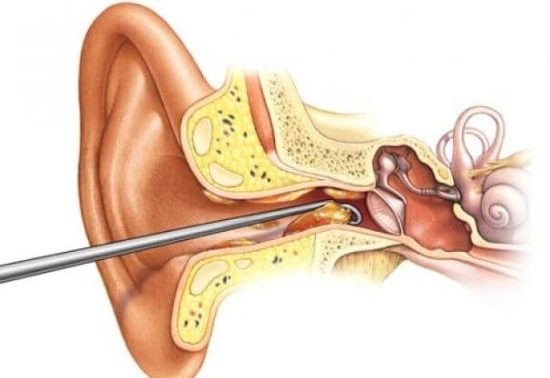
Earwax is a natural substance produced by the ear canal to protect the ear from dust, microorganisms and irritation. However, when it accumulates, hardens or becomes impacted, it can cause muffled hearing, ear fullness, itching, tinnitus and sometimes discomfort or imbalance. During my review of specialised ENT care in Mumbai, I found that professional evaluation is particularly important when wax is deeply impacted or when patients have a history of ear surgery, eardrum perforation or ear tubes. For those looking for Ear wax removal in Mumbai, specialist assessment can help ensure that the ear is examined and the appropriate removal technique is selected.
What Is Earwax and Why Does It Build Up?
Earwax, medically known as cerumen, is not simply dirt that needs to be cleaned away. It is part of the ear’s natural defence mechanism and helps protect the delicate skin of the ear canal. Normally, earwax gradually moves outward through natural jaw movements and the migration of skin cells. However, when wax accumulates or becomes impacted, professional Ear wax removal in Mumbai may be recommended to restore comfort and hearing safely.
Problems arise when this process is disrupted and wax accumulates or becomes hardened. Some people naturally produce more wax, while others may experience repeated impaction because of narrow ear canals, frequent use of hearing aids or attempts to clean the ears with cotton buds.
The reference material notes that cerumen impaction is relatively common and can affect both children and adults.
Common Signs You May Need Ear Wax Removal
Impacted wax can produce symptoms that are sometimes mistaken for other ear conditions. Common signs include:
- Muffled or reduced hearing
- A feeling of fullness or blockage in the ear
- Itching inside the ear canal
- Ringing or buzzing, known as tinnitus
- Occasional ear discomfort or pain
- Cough or imbalance in some individuals
In older adults, hearing impairment caused by wax can sometimes be mistaken for broader problems with communication or concentration. Removing the obstruction may restore hearing when wax is the underlying cause.
Persistent hearing loss, severe pain, discharge, dizziness or sudden hearing changes should not automatically be attributed to wax. These symptoms require assessment by an ENT specialist.
Ear Wax Removal in Mumbai: Why Professional Care Matters
Many people try to remove earwax at home using cotton buds, hairpins, ear-cleaning tools or ear candles. These methods can push wax deeper into the ear canal and may injure the delicate skin or eardrum.
Professional wax removal begins with examination of the ear. Once the ENT specialist determines that impacted wax is responsible for the symptoms, an appropriate technique can be selected.
Depending on the patient’s condition, removal may involve microsuction under direct visualisation or careful manual removal using specialised instruments and magnification. The reference page specifically describes microsuction and manual techniques performed under an operating microscope as approaches used by Dr. Shama Kovale.
Patients with diabetes, previous ear surgery, eardrum perforation or ear tubes should be particularly cautious about attempting home irrigation.
How Modern Ear Wax Removal Works
At Kokilaben Dhirubhai Ambani Hospital, Dr. Shama Kovale provides earwax evaluation and removal using precision techniques.
Microsuction
Microsuction uses controlled suction to remove wax while the ear canal is directly visualised. This can allow the ENT specialist to see the wax and surrounding structures during the procedure.
Manual Removal Under Magnification
Specialised instruments may be used to carefully remove impacted wax under an operating microscope. This can be particularly useful when wax is hardened or positioned in a way that requires precise handling.
The technique used depends on the amount and consistency of wax, the anatomy of the ear canal and the patient’s medical history. The reference information describes these procedures as suitable for children and patients with sensitive ears when appropriately performed by an ENT professional.
Dr. Shama Kovale: Qualifications and Clinical Experience
Dr. Shama Kovale is an ENT surgeon and laryngologist with more than 23 years of experience. Her qualifications include MBBS and MS in ENT, and the profile also notes certification in endoscopic sinus surgery and microsurgery of the ear. She regularly participates in national and international ENT conferences.
Her clinical expertise covers ear, nose and throat disorders, voice and swallowing conditions, airway problems, cochlear implants and endoscopic ENT surgery. Her listed ear-related expertise includes chronic ear infections, hearing-loss management, safe earwax removal and eardrum surgery.
Dr. Shama Kovale has also completed advanced fellowships from UC Davis in the United States and Hinduja Hospital in India. Her professional profile states that she is a Senior Consultant at Kokilaben Dhirubhai Ambani Hospital, Andheri West.
Expertise Beyond Routine Ear Care
While wax removal is a relatively common ENT procedure, Dr. Shama Kovale’s broader expertise covers both routine and complex ENT conditions. Her professional profile lists endoscopic sinus surgery, ear microsurgery, cochlear implant surgery, airway reconstruction and voice-related procedures among her areas of expertise.
She also leads the Voice and Swallowing Centre at Kokilaben Dhirubhai Ambani Hospital, described on her profile as Mumbai’s first dedicated centre of its kind. The centre provides specialised assessments and procedures related to voice and swallowing disorders.
Her professional recognition includes the Best Consultant Paper Award in 2013 and Top Docs Mumbai recognition as a Voice Specialist in 2019, 2020 and 2021.
Clinic Environment at Kokilaben Dhirubhai Ambani Hospital
Dr. Shama Kovale consults at Kokilaben Dhirubhai Ambani Hospital in Andheri West, a tertiary-care hospital that provides access to specialised medical and surgical services. Her ENT consultation is listed on the second floor of the ENT Department at Four Bungalows, Mumbai.
The profile describes her approach as patient-centred, with emphasis on helping individuals understand their diagnosis and treatment plan and providing personalised surgical or non-surgical care.
For patients requiring more than routine wax removal—for example, those with hearing problems, chronic ear disease or suspected eardrum conditions—the hospital environment allows the concern to be assessed within a broader ENT care setting.
How to Prevent Recurrent Wax Impaction
Most people do not need to clean deep inside their ear canals. In fact, excessive cleaning can interfere with the ear’s natural cleaning mechanism.
To reduce the likelihood of recurrent impaction:
- Avoid inserting cotton buds into the ear canal.
- Do not use ear candles.
- Do not attempt home irrigation when you have a history of ear surgery or eardrum problems.
- Use wax-softening drops only when recommended by an ENT professional.
- Consider periodic ear examinations if you frequently develop impacted wax or use hearing aids.
The reference material recommends periodic follow-up for people prone to impaction, with checks every 6–12 months suggested particularly for some hearing-aid users and children.
Choosing an ENT Specialist in Mumbai
An ENT Specialist in Mumbai can determine whether symptoms are actually caused by impacted wax or whether another ear condition requires investigation. This distinction matters because hearing loss, tinnitus, ear pain and dizziness can have causes unrelated to cerumen.
A specialist examination can therefore prevent unnecessary self-treatment and help determine whether simple wax removal is sufficient or whether additional hearing or ear investigations are required.
For patients seeking an ENT Doctor in Mumbai, Dr. Shama Kovale’s professional profile combines extensive ENT experience with expertise in ear microsurgery, endoscopic procedures, cochlear implants, voice and swallowing disorders and airway surgery.
Frequently Asked Questions
1. Can impacted earwax cause hearing loss?
Yes. Impacted wax can block sound transmission through the ear canal and cause muffled or reduced hearing. It may also produce tinnitus, itching or a sensation of fullness.
2. Is it safe to remove earwax at home with cotton buds?
Cotton buds are not recommended for cleaning deep inside the ear. They can push wax further into the canal and potentially injure the ear. Professional examination is safer when wax is impacted or symptoms are present.
3. How often should earwax be checked?
People who frequently develop impaction, including some children and hearing-aid users, may benefit from periodic checks. The reference page suggests a 6–12-month interval for those prone to recurrent wax buildup.
4. Does earwax naturally come out on its own?
Usually, the ear has a natural self-cleaning mechanism involving jaw movement and migration of skin cells. However, hardened or deeply impacted wax may remain in the canal and require professional removal.
Consultation, Directions and CTA
📞 +91 91528 50769
📧 drshamakovaleent@gmail.com
Get Directions to the Clinic – Kokilaben Dhirubhai Ambani Hospital
If blocked hearing, ear fullness, ringing or suspected impacted wax is affecting you or your child, contact Dr. Shama Kovale for a professional ear examination and appropriate wax-removal guidance.