
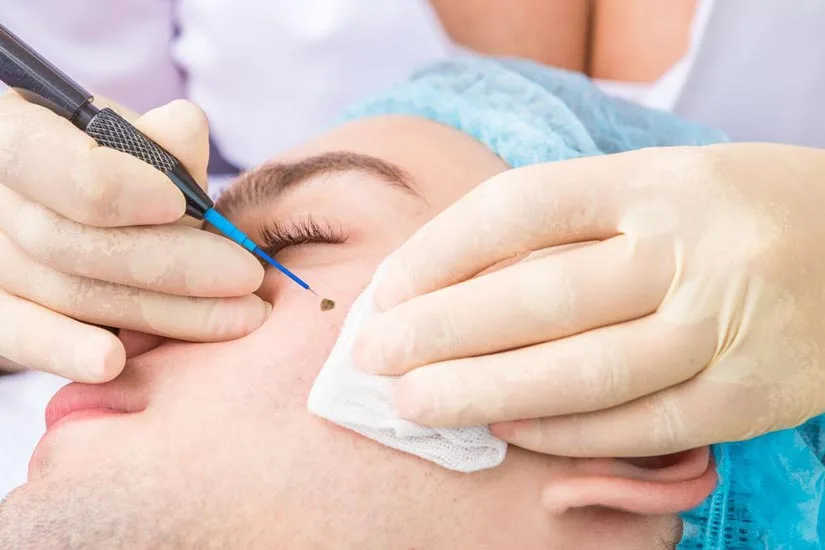
During my review of cosmetic and minor surgical procedures in Mumbai, I found that moles, skin tags, cysts and small skin swellings are common concerns, particularly when they occur on visible areas such as the face and neck. Although many are harmless, changes in size, shape, colour, bleeding or infection may warrant medical assessment. For people considering Moles and skin tag removal in Mumbai, Dr. Amiti Shah at Shah Superspeciality Clinic provides surgical options based on the location, size and characteristics of the lesion.
What Are Moles and Skin Tags?
Moles, medically known as nevi, are common pigmented growths that can occur on different areas of the body. They may be flat or raised and can vary in colour and size. Most moles are benign, but a mole that changes noticeably should be evaluated by a qualified medical professional.
Skin tags are small, soft growths that commonly develop in areas where skin rubs against skin or clothing. They are generally harmless but may become irritating if repeatedly caught, rubbed or injured.
Cysts and other benign swellings can also appear beneath or on the surface of the skin. Their appearance alone may not always establish exactly what type of lesion is present, which is why clinical assessment is useful before removal.
Why Consider Removing a Mole or Skin Tag?
There are several reasons a person may consider removal. A visible mole or skin tag may be considered aesthetically undesirable, while a lesion in an area exposed to friction may cause repeated irritation or discomfort.
The reference procedure page also notes that changes in the size, colour, shape or growth pattern of a mole, as well as bleeding or infection, are reasons to seek medical advice. Although most moles are harmless, a small proportion can undergo malignant change, making assessment of suspicious lesions important.
Removal can therefore have both cosmetic and practical reasons. In selected cases, removing a lesion can also allow the tissue to be examined in a pathology laboratory.
Moles and Skin Tag Removal in Mumbai: How Is It Performed?
The appropriate approach for Moles and skin tag removal in Mumbai depends on the lesion’s size, depth, location and clinical appearance. According to Dr. Amiti Shah’s procedure page, these lesions can usually be treated under local anaesthesia. Depending on the lesion, surgical excision or radiofrequency cautery may be considered.
Surgical Excision
Excision involves removing the lesion using a surgical technique. It may be considered when the size, depth or characteristics of the lesion make complete removal appropriate.
One advantage of excision is that the removed tissue can, when indicated, be submitted for pathological examination. This can help determine whether there are abnormal or concerning cells within the lesion.
Radiofrequency Cautery
Radiofrequency cautery may be used for selected superficial skin lesions. The technique uses radiofrequency energy to remove or cauterize the tissue.
Whether radiofrequency or surgical excision is more appropriate depends on the individual lesion. A consultation allows the surgeon to examine the lesion and discuss the expected outcome, possible scar and treatment approach.
Attention to Facial Scarring
When lesions are located on the face, scar placement becomes an important consideration. Dr. Amiti Shah’s procedure page states that care is taken to place facial scars within relaxed skin tension lines where possible, with the aim of making resulting scars less noticeable.
However, no surgical procedure can guarantee that a scar will be invisible. Healing varies according to skin type, lesion location, wound size and individual healing characteristics.
Benefits and Considerations of Removal
One potential benefit of removal is improvement in appearance when a mole, skin tag or swelling is cosmetically noticeable. Removal may also reduce irritation when a lesion repeatedly rubs against clothing or surrounding skin.
Another potential benefit is pathological analysis when the doctor considers it clinically appropriate. Examining removed tissue can help rule out certain underlying conditions.
As with any minor surgical procedure, possible considerations include temporary discomfort, bleeding, infection, pigmentation changes or scarring. The risk depends on the procedure and the individual patient. A medical consultation is therefore important before treatment.
What to Expect During the Consultation
Before Moles and skin tag removal in Mumbai, the surgeon should examine the lesion and understand the patient’s concerns. Important factors include the lesion’s appearance, duration, growth pattern, location and whether symptoms such as bleeding, irritation or infection are present.
The doctor can then discuss whether removal is appropriate and whether the lesion should be excised, treated using radiofrequency or monitored instead.
If there is a concern about malignancy, the treatment approach may differ from that used for a purely cosmetic lesion. Patients should not attempt to cut, burn or chemically remove moles or skin tags at home.
Dr. Amiti Shah: Qualifications and Clinical Experience
Dr. Amiti Shah is a plastic surgeon whose listed qualifications include MBBS from Maharashtra University of Health Sciences (2003), DNB General Surgery from the National Board of Examinations (2008), DNB Plastic Surgery (2012), and a Fellowship in Breast Reconstructive & Cosmetic Surgery in the UK (2015).
Her professional profile describes extensive experience in aesthetic, cosmetic and reconstructive surgery. She is affiliated with several hospitals in South and West Mumbai, including Bhatia Hospital, Wockhardt Hospital, St. Elizabeth Hospital, Apollo Spectra Clinic and Namaha Hospital. She is also associated with K. J. Somaiya Medical College, where her profile states that she performs reconstructive surgeries and lectures postgraduate students.
Her academic activities include research publications in national and international journals. Her profile notes that she received a Best Paper Award in 2016 for research on liposuction published in the Indian Journal of Plastic Surgery.
Expertise of Dr. Amiti Shah
Dr. Amiti Shah’s listed expertise includes body-shaping procedures such as liposuction, breast augmentation, breast reduction and body contouring following massive weight loss, along with cosmetic gynaecological procedures.
Her profile also describes an ongoing interest in global training and professional development. She regularly visits premier institutions internationally to update her knowledge and refine her cosmetic and reconstructive surgery techniques.
For patients considering Moles and skin tag removal in Mumbai, her plastic-surgery background is relevant because removal of lesions on visible areas can require attention to both complete treatment and the appearance of the resulting scar.
Clinic Environment at Shah Superspeciality Clinic
Shah Superspeciality Clinic is located at Room No. 719, Panchshil Plaza, B-Wing, 7th Floor, Gamdevi, 55 N. S. Patkar Marg, Gamdevi, Mumbai – 400007. The clinic is the listed practice location for Dr. Amiti Shah and provides access to her cosmetic and plastic-surgery consultations.
Dr. Amiti Shah’s profile emphasizes patient comfort and a holistic approach to plastic surgery, considering both physical and emotional wellbeing. Her practice covers aesthetic, cosmetic and reconstructive procedures, while the mole and skin-tag removal service focuses on relatively localized lesions that may be addressed through minor surgical techniques.
Precautions and Aftercare
After removal, patients should follow the surgeon’s wound-care instructions carefully. Keeping the treated area clean, avoiding unnecessary friction and protecting healing skin from excessive sun exposure can support recovery.
Patients should not pick at scabs or disturb sutures if present. Any increasing redness, swelling, discharge, persistent bleeding, fever or worsening pain should be reported to the treating medical team.
For facial procedures, scar care may become an important part of the recovery plan. The surgeon can advise when products such as silicone-based scar treatments or sunscreen can be introduced, depending on the wound and healing stage.
When Should a Mole Be Checked?
A mole should receive medical attention if it develops a noticeable change in size, shape or colour, begins bleeding, becomes infected or shows an unusual growth pattern. These changes do not automatically mean that a lesion is cancerous, but they should not be ignored.
Similarly, a new or rapidly changing skin growth should be examined rather than removed independently at home. A qualified surgeon or dermatologist can determine whether observation, biopsy, excision or another approach is appropriate.
Choosing a Plastic Surgeon for Mole and Skin Tag Removal
When researching Moles and skin tag removal in Mumbai, patients can consider the surgeon’s qualifications, experience in plastic and reconstructive procedures, approach to scar placement, available treatment techniques and whether pathology can be arranged when clinically indicated.
Dr. Amiti Shah’s training includes DNB Plastic Surgery and a UK fellowship in breast reconstructive and cosmetic surgery, while her professional practice covers aesthetic and reconstructive procedures. Her mole and skin-tag removal page describes local anaesthesia, surgical excision and radiofrequency cautery as possible approaches depending on the lesion.
Consult Dr. Amiti Shah at Shah Superspeciality Clinic
If you are considering Moles and skin tag removal in Mumbai, a consultation with Dr. Amiti Shah can help determine whether removal is appropriate and which technique may suit the lesion’s location and characteristics.
📞 87795 36240 | 022 2367 7234
📧 info@dramitishah.com
Get Directions to the Clinic – Shah Superspeciality Clinic or contact the clinic directly to schedule an appointment with Dr. Amiti Shah. During the consultation, discuss the appearance or symptoms of the lesion, treatment options, expected healing and scar-care requirements.
Frequently Asked Questions
1. Are all moles safe to remove?
Most moles are benign, but a changing mole should first be medically assessed. Changes in size, shape, colour, growth pattern or bleeding warrant professional evaluation.
2. How are skin tags and moles removed?
Depending on the lesion, removal may involve surgical excision or radiofrequency cautery. The procedure can generally be performed under local anaesthesia, according to the treatment page.
3. Will mole removal leave a scar?
Any procedure that involves removing skin can potentially leave a scar. The final appearance depends on factors such as lesion size, location and individual healing. For facial lesions, Dr. Shah’s procedure page states that scar placement is planned along relaxed skin tension lines where possible.
4. Can the removed mole be tested?
In selected cases, removed tissue may be sent for pathological analysis. This can help evaluate the tissue and rule out certain concerning conditions.