
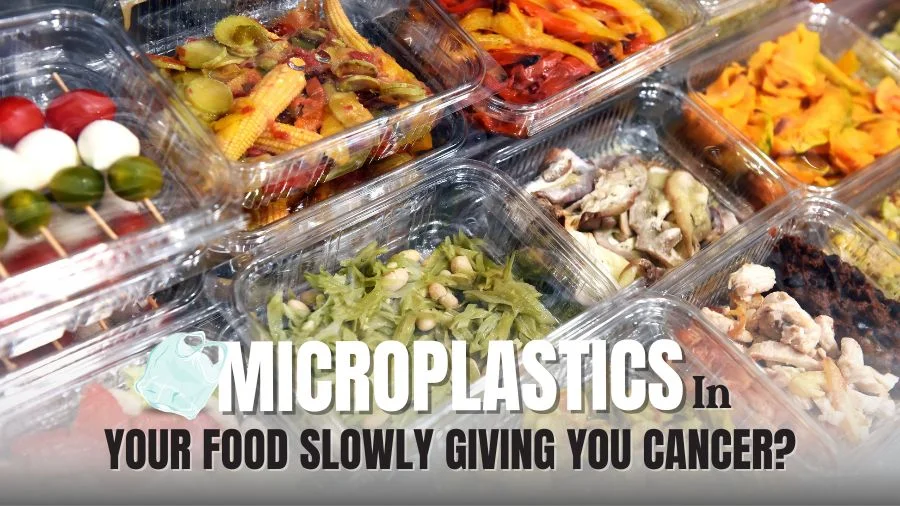
During my recent review of emerging health concerns, the question of whether Microplastics in food leads to Cancer stood out because these tiny plastic particles are increasingly being detected in food, drinking water and the environment. Microplastics are generally defined as plastic particles smaller than 5 millimetres, and research has detected them in human biological samples. However, it is important to distinguish between a potential health risk and proven causation: current human evidence does not establish that microplastics directly cause cancer, although inflammation, oxidative stress and other biological effects are being actively investigated.
For people concerned about colorectal health, the subject deserves attention because the digestive system is directly exposed to substances consumed through food and water. Dr. Chintamani Godbole, a specialist in colorectal and gastrointestinal cancer surgery, also highlights the importance of understanding potential environmental and lifestyle factors while remaining alert to established cancer warning signs.
What Are Microplastics and How Do They Enter Food?
Microplastics are very small fragments produced when larger plastic products break down or when plastic-based materials shed particles during manufacturing, use or disposal. They can circulate through water, soil and air before entering the food chain.
Common potential dietary exposure routes include:
- Seafood: Fish and shellfish can ingest plastic particles present in polluted marine environments.
- Drinking water: Microplastic particles have been detected in both bottled and other water sources.
- Food packaging: Plastic packaging can contribute to particle contamination, particularly when exposed to heat or prolonged environmental stress.
- Salt and other foods: Environmental contamination and food-processing practices can introduce microplastics into different food products.
This means completely eliminating exposure may be difficult. The practical objective is to reduce unnecessary exposure while maintaining a balanced diet.
Microplastics in Food Leads to Cancer: What Does Research Actually Say?
The phrase Microplastics in food leads to Cancer is increasingly used in public discussions, but the scientific evidence requires careful interpretation.
Research has identified several possible biological mechanisms through which microplastics could potentially influence health. These include oxidative stress, inflammation, changes in gut microbiota and endocrine effects. Microplastics have also been detected in different human tissues and biological samples.
A 2025 systematic review specifically examining colorectal cancer found growing interest in the possible relationship between microplastic exposure and colorectal cancer, but the available evidence remains insufficient to establish a direct causal relationship.
Similarly, a 2025 review of microplastics and cancer concluded that experimental findings provide biologically plausible mechanisms, but direct clinical and epidemiological evidence proving that microplastics cause cancer remains unavailable.
Therefore, it would be inaccurate to tell patients that eating food containing microplastics will inevitably result in cancer. Instead, microplastic exposure should be viewed as an emerging environmental health concern requiring further research.
How Could Microplastics Affect the Digestive System?
The digestive tract is one of the first areas exposed after microplastics are swallowed. Researchers are investigating whether these particles can interact with intestinal cells, influence gut microorganisms or contribute to inflammatory processes.
Potential mechanisms being studied include:
Oxidative stress: Reactive molecules can damage cells when antioxidant defences are overwhelmed.
Chronic inflammation: Persistent inflammatory activity is associated with several diseases, including certain cancers.
Gut microbiome changes: Alterations in the balance of intestinal microorganisms could potentially affect digestive and immune functions.
Chemical exposure: Plastic particles may contain additives or carry environmental contaminants, adding another dimension to the potential health effects.
These mechanisms are scientifically important, but they should not be interpreted as proof that microplastics independently initiate colorectal cancer in humans.
Food Additives and Cancer Risk: Another Concern
The discussion around Microplastics in food leads to Cancer often overlaps with concerns about processed foods and food additives. Some additives are carefully regulated and considered safe at permitted levels, while others continue to be investigated for potential long-term effects.
The reference article discusses preservatives, artificial sweeteners and synthetic colouring agents as examples of substances that have generated health concerns. Some preservatives used in processed meats can contribute to the formation of nitrosamines under certain conditions.
Rather than avoiding all packaged food, a sensible approach is to favour a varied diet containing vegetables, fruits, whole grains, legumes and other minimally processed foods while limiting excessive intake of highly processed foods.
Practical Ways to Reduce Microplastic Exposure
Completely avoiding microplastics may not be realistic, but several everyday measures can reduce unnecessary exposure:
- Prefer fresh or minimally processed foods where practical.
- Avoid unnecessarily heating food in plastic containers.
- Use glass, stainless steel or other suitable alternatives for food storage.
- Reduce dependence on single-use plastic bottles.
- Use appropriately maintained water filtration where suitable.
- Wash fresh produce thoroughly before consumption.
- Read food labels and limit excessive consumption of highly processed foods.
These measures should complement—not replace—established cancer-prevention practices such as maintaining a healthy weight, exercising regularly, avoiding tobacco and limiting alcohol.
Symptoms That Should Never Be Ignored
Regardless of concerns about environmental contaminants, people should not attribute persistent digestive symptoms solely to microplastics.
Warning signs that require medical evaluation include:
- Blood in the stool
- Persistent changes in bowel habits
- Unexplained weight loss
- Persistent abdominal discomfort
- Iron-deficiency anaemia
- A feeling of incomplete bowel evacuation
- Persistent unexplained fatigue
Early assessment can be particularly important when symptoms persist or occur in someone with a personal or family history of colorectal disease.
Dr. Chintamani Godbole: Qualifications and Clinical Experience
Dr. Chintamani Godbole is a Colorectal Surgeon in Mumbai with specialist training in colorectal surgery and peritoneal surface oncology. His qualifications include MBBS, MS in General Surgery, DNB in Surgical Gastroenterology and FRCS from Edinburgh. He also completed fellowships in Robotic Colorectal Surgery in Coventry, UK, and Colorectal and Peritoneal Oncology in Basingstoke, UK.
His professional training includes five years of colorectal surgical experience in the UK, including minimally invasive colorectal surgery, colorectal cancer surgery, cytoreductive surgery and HIPEC. He has also worked as a General and Colorectal Surgical Consultant at University Hospitals Coventry in the UK.
His reported surgical experience includes more than 200 minimally invasive colorectal procedures and over 50 cytoreductive surgeries and HIPEC procedures for advanced peritoneal cancers. His areas of expertise include robotic and laparoscopic colorectal surgery, sphincter-preserving rectal cancer surgery, inflammatory bowel disease and complex colorectal conditions.
Clinic Environment and Colorectal Expertise in Mumbai
At Gadre Hospital near Hindmata Cinema in Dadar East, patients can consult Dr. Chintamani Godbole regarding colorectal and gastrointestinal conditions. His practice focuses on specialist colorectal care, including colorectal cancer, minimally invasive surgery and peritoneal surface oncology.
For patients requiring Colorectal Surgery in Mumbai, treatment decisions are based on the diagnosis, tumour characteristics, overall health and the appropriate surgical approach. Dr. Chintamani Godbole’s profile also describes a multidisciplinary approach to colorectal cancer treatment, bringing together different specialists when required.
When Should You Speak to a Colorectal Specialist?
Concerns about Microplastics in food leads to Cancer should encourage informed choices rather than unnecessary fear. If you develop persistent bowel symptoms, unexplained bleeding, changes in bowel habits or other warning signs, medical evaluation is more important than trying to determine whether a particular environmental exposure is responsible.
Cancer risk is influenced by multiple factors, including age, genetics, family history, lifestyle and environmental exposures. Research into microplastics is continuing, and stronger long-term human studies are needed before definitive conclusions can be made.
Book a Consultation with Dr. Chintamani Godbole
If you have persistent digestive symptoms or concerns about colorectal cancer, consult a specialist rather than self-diagnosing based on online information. Dr. Chintamani Godbole provides specialist colorectal and gastrointestinal surgical care at Gadre Hospital, Dadar East, Mumbai.
📞+91 8108791470 | ☎️ +91 8451865944 (In case of emergency)
📧 drchintamanigodbole@gmail.com
📍Get Directions to the Clinic – Gadre Hospital, Mumbai
FAQs
1. Do microplastics in food cause cancer?
Current evidence does not establish that microplastics directly cause cancer in humans. Researchers are investigating possible links involving inflammation, oxidative stress, gut microbiome changes and other biological pathways.
2. Which foods may contain microplastics?
Potential sources include seafood, drinking water, salt and foods exposed to plastic packaging or environmental contamination. Levels can vary depending on the source and processing methods.
3. How can I reduce my exposure to microplastics?
You can reduce unnecessary exposure by limiting single-use plastics, avoiding heating food in plastic containers, choosing fresh foods when practical and using suitable alternatives such as glass or stainless steel for food storage.
4. When should I see a colorectal surgeon?
Persistent rectal bleeding, unexplained weight loss, ongoing changes in bowel habits, abdominal symptoms or other concerning digestive symptoms should be medically evaluated. A colorectal specialist can determine whether further tests are required.