
Healthy, radiant skin can be affected by acne scars, pigmentation, uneven skin tone, sun damage, dullness, fine lines, and rough texture. While skincare products can help maintain the skin, some concerns may require professional dermatological procedures. Chemical peeling is a popular cosmetic dermatology treatment designed to exfoliate the skin and encourage the appearance of fresher, smoother and more even-toned skin.
At Ambrosia Aesthetics in Andheri West, Mumbai, Dr. Niketa Sonavane offers customized chemical peel treatments according to individual skin concerns. The clinic’s approach focuses on selecting an appropriate peel based on the patient’s skin type, condition and desired outcome rather than using the same treatment for everyone.
What Is a Chemical Peel?
A chemical peel is a dermatological procedure in which a carefully selected chemical solution is applied to the skin to exfoliate damaged or dead surface cells. Depending on the type and strength of the peel, it can work at different depths of the skin.
The treatment may help improve concerns such as:
- Uneven skin tone
- Hyperpigmentation and dark spots
- Acne and acne marks
- Pimple scars
- Dull-looking skin
- Rough skin texture
- Fine lines
- Sun damage
- Certain types of melasma
The choice of peel depends on the specific concern being treated. Superficial peels may focus on skin brightness and texture, while medium or deeper peels can be considered for more pronounced concerns under appropriate medical supervision.
How Does Peel Treatment Work?
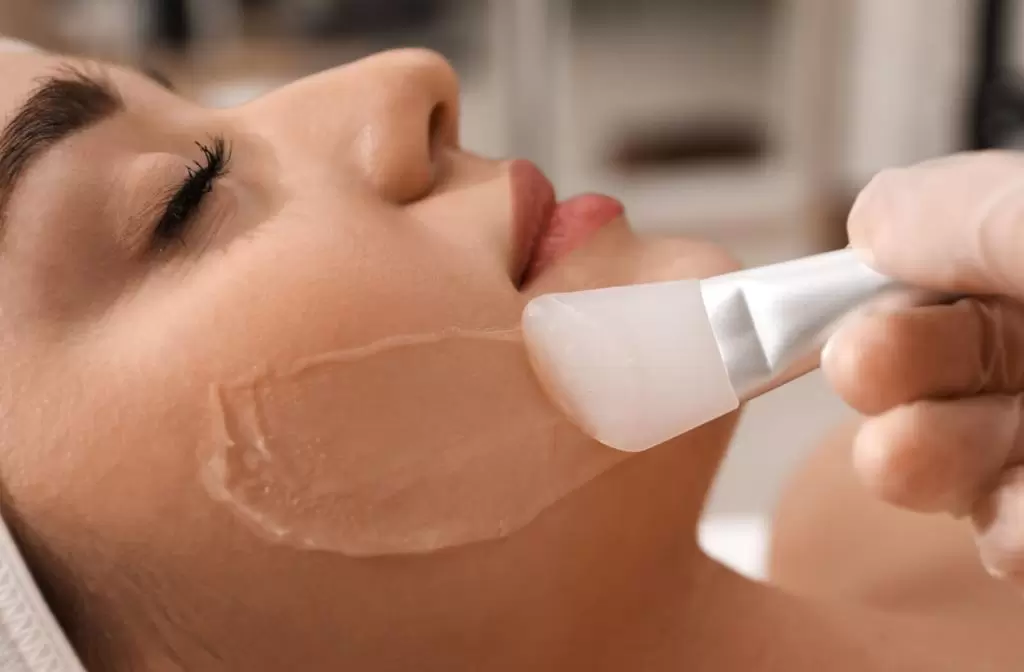
During a chemical peel, the skin is first cleansed before the selected solution is applied. The solution works by loosening and exfoliating the targeted layers of skin. This controlled exfoliation encourages the skin-renewal process and can reveal smoother and more evenly toned skin underneath.
Some patients may experience mild tingling or stinging during application. The duration varies according to the type of peel. Light peels can take only a few minutes, while deeper procedures may take longer.
A dermatologist determines the appropriate formulation, concentration and application technique after evaluating the skin. This individualized approach is particularly important when treating pigmentation-prone or sensitive skin.
Different Types of Chemical Peels
Chemical peels are not a single treatment. They range from mild superficial peels to deeper medical peels.
Superficial Peels
Superficial peels affect the outermost layers of the skin and are generally used for concerns such as dullness, uneven texture and mild pigmentation.
Glycolic acid and lactic acid peels are examples of superficial peels. Lactic acid is considered a gentler option, while glycolic acid can provide more intensive exfoliation. These treatments may be selected when the goal is to refresh the appearance of the skin with relatively little downtime.
Medium Peels
Medium-depth peels penetrate further into the skin and may be considered for moderate pigmentation, acne scars, fine lines and other more noticeable skin concerns.
A TCA, or trichloroacetic acid, peel is one example. Cosmelan is another treatment used particularly for pigmentation and melasma. Depending on the peel selected, patients may need specific post-treatment skincare and recovery time.
Deep Peels
Deep peels penetrate significantly deeper and are more intensive procedures. Phenol peels are an example and may be considered for severe sun damage, deeper wrinkles or significant skin-texture concerns.
Because deep peels involve greater intensity and recovery, they require careful patient selection and strict medical supervision.
What Skin Concerns Can Peels Address?
One of the major advantages of chemical peeling is its versatility. A dermatologist can select different formulations depending on the patient’s primary concern.
For pigmentation, specialized peels may help reduce the appearance of dark spots and uneven skin tone. For acne-prone skin, certain formulations can help exfoliate clogged pores and improve the appearance of post-acne marks.
Chemical peels can also be incorporated into skin-rejuvenation plans for people concerned about dullness, rough texture and early signs of ageing.
For example, the Dermaceutic Spot Peel described by Dr. Sonavane is designed specifically for hyperpigmentation and incorporates ingredients including mandelic acid, retinol and salicylic acid. The treatment involves an in-clinic peel along with prescribed home care.
Why Choose Dr. Niketa Sonavane?
Dr. Niketa Sonavane is a cosmetic dermatologist, skin specialist and hair specialist practicing in Mumbai. According to her professional profile, she has more than 17 years of experience and has treated more than 10,000 patients.
She completed her MBBS through Maharashtra University of Health Sciences and postgraduate dermatology training at BYL Nair Hospital in Mumbai. She subsequently received training in cosmetic dermatology procedures from international dermatologists and cosmetologists.
Her practice focuses on customized skin, hair and aesthetic treatments. She is particularly associated with treatments for acne, acne scars, pigmentation, skin brightening, ageing concerns and other cosmetic dermatology needs.
Patients searching for a Dermatologist in Mumbai can benefit from a consultation that considers their individual skin condition before recommending a cosmetic procedure.
A Personalized Approach at Ambrosia Aesthetics
Ambrosia Aesthetics is located in Lokhandwala Complex, Andheri West, Mumbai. The clinic describes itself as a state-of-the-art skin and hair treatment facility with an emphasis on advanced technology and patient privacy. Its environment includes dedicated waiting and treatment areas.
Dr. Sonavane’s treatment philosophy emphasizes honest opinions and result-oriented care. Instead of assuming that every patient needs the same peel, a dermatologist can assess the skin and determine whether a superficial, medium-depth or specialized peel is appropriate.
This is especially important for Indian skin, where pigmentation can be a significant concern and aggressive or unsuitable exfoliation may cause irritation or worsening pigmentation.
What to Expect After a Chemical Peel
Post-treatment recovery depends on the depth and formulation of the peel.
After a light peel, patients may experience mild redness, dryness or peeling that settles over the following days. Medium and deeper peels can involve more noticeable redness, swelling and peeling and may require a longer recovery period.
Aftercare is an important part of the treatment. Patients may be advised to:
- Avoid excessive sun exposure
- Use sunscreen as directed
- Keep the skin moisturized
- Avoid harsh skincare products
- Follow the dermatologist’s instructions
- Avoid picking or peeling flaking skin
Following professional aftercare instructions can help support smoother recovery and reduce unnecessary irritation.
Is a Peel Suitable for Everyone?
Not every chemical peel is appropriate for every person. Skin type, pigmentation, active acne, sensitivity, previous treatments and the severity of the concern all need to be considered.
A consultation with a qualified dermatologist is therefore recommended before treatment. The dermatologist can evaluate the skin and determine whether a peel is appropriate or whether another treatment would be more suitable.
The goal should not simply be stronger exfoliation. Instead, treatment should be selected according to the patient’s skin condition and desired outcome.
Why Consider Peel Treatment at Ambrosia Aesthetics?
For people looking for a Peel treatment in Mumbai, the key consideration should be medical expertise and personalization rather than the procedure alone.
Dr. Niketa Sonavane combines dermatological training with extensive experience in cosmetic dermatology and offers different peel options for concerns ranging from pigmentation and acne marks to dullness and uneven texture. Her clinic also offers a broader range of aesthetic dermatology treatments, allowing treatment plans to be customized according to individual skin needs.
Book a Consultation With Dr. Niketa Sonavane
If you are concerned about pigmentation, acne marks, dull skin, uneven texture or early signs of ageing, a professionally selected chemical peel may be an option worth discussing with a dermatologist.
📞 9930993600 | 9930992400
📧 dr.niketa@live.com
Ready to refresh your skin? Book a consultation with Dr. Niketa Sonavane at Ambrosia Aesthetics to understand which chemical peel is suitable for your skin and receive a personalized treatment plan focused on safe, natural-looking results.
Frequently Asked Questions
1. How long does a chemical peel take?
The duration depends on the type of peel. Light peels can take only a few minutes, while deeper treatments may take longer. Your dermatologist will explain the expected treatment time before the procedure.
2. How many chemical peel sessions are needed?
The number of sessions varies according to the skin concern and type of peel. Some treatments are performed as a series, with sessions commonly spaced according to the patient’s skin condition and the dermatologist’s recommendations.
3. Can chemical peels treat pigmentation?
Yes. Certain chemical peels are specifically used to address hyperpigmentation, dark spots and uneven skin tone. The appropriate peel depends on the type and severity of pigmentation.
4. Is there downtime after a chemical peel?
Downtime depends on the depth of the peel. Superficial peels generally have less recovery, while medium and deep peels can cause more redness and peeling and may require longer recovery. Your dermatologist will provide individualized aftercare instructions.