
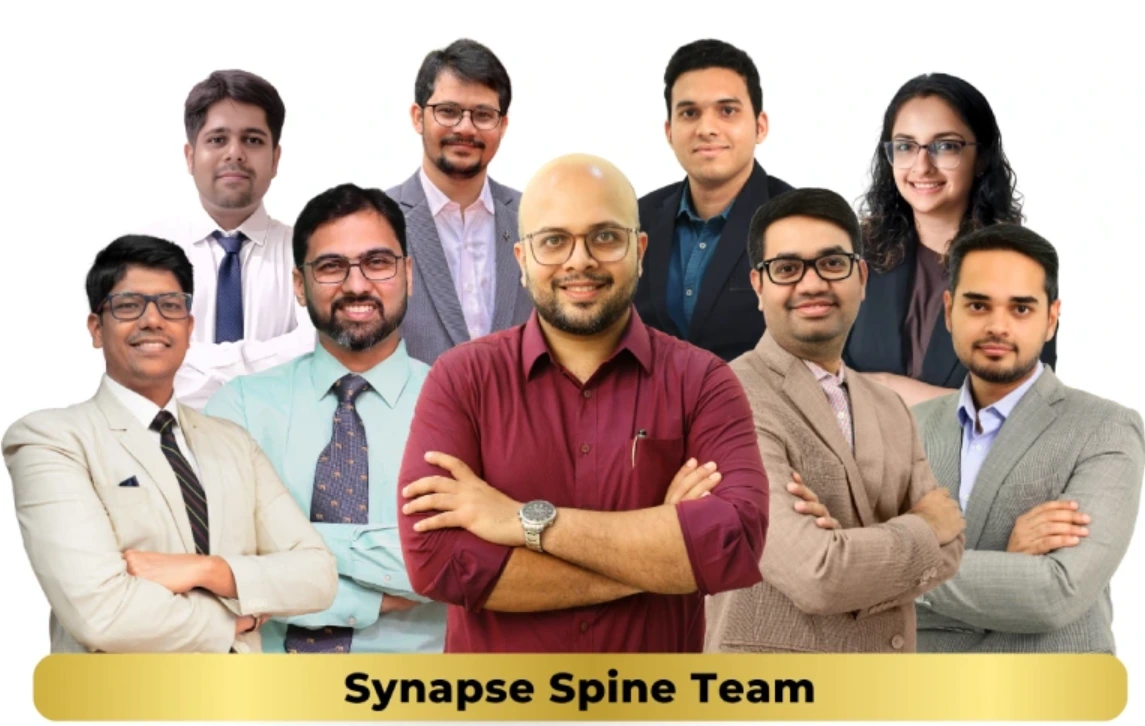
The spine plays an essential role in supporting body movement, maintaining posture, and protecting the spinal cord. However, conditions such as back pain, slipped discs, sciatica, spinal stenosis, and neck pain can significantly affect everyday activities and overall quality of life. Persistent spinal discomfort may require professional evaluation to identify the underlying cause and determine appropriate treatment. If you are searching for a Spine doctor Mumbai, Synapse Spine offers specialist consultations, personalised treatment planning, and surgical and non-surgical care for various spinal conditions. Its team includes orthopaedic spine surgeons and neurospine specialists who focus on accurate diagnosis, patient safety, and improving mobility.
Why Consult a Spine Doctor Mumbai for Back and Neck Pain?
Back and neck pain may develop due to poor posture, prolonged sitting, injuries, age-related changes, or underlying spinal disorders. Although mild discomfort often improves with rest and conservative treatment, persistent symptoms should not be ignored.
A spine specialist evaluates the condition through medical history, physical examination, neurological assessment, and diagnostic imaging when necessary.
Consulting a specialist may help with:
- Identifying the underlying cause of persistent spinal pain.
- Diagnosing nerve compression and disc-related disorders.
- Developing personalised treatment plans.
- Exploring non-surgical treatment options before considering surgery.
- Managing chronic spinal conditions and preventing further complications.
- Improving mobility, physical function, and quality of life.
Early evaluation is particularly important when pain is accompanied by numbness, tingling, or muscle weakness.
Common Spinal Conditions Treated at Synapse Spine
Synapse Spine provides specialist evaluation and treatment for a range of spinal disorders.
1. Slipped Disc
A slipped or herniated disc occurs when the soft inner material of an intervertebral disc pushes through its outer layer. It may irritate nearby nerves, causing back pain, radiating leg pain, numbness, or weakness.
2. Sciatica
Sciatica refers to pain associated with irritation or compression of the sciatic nerve roots. Symptoms commonly include shooting pain from the lower back through the buttock and leg.
3. Spinal Stenosis
Spinal stenosis involves narrowing of spaces within the spinal canal, potentially compressing nerves. Patients may experience pain, tingling, weakness, or difficulty walking.
4. Cervical Spondylosis
Cervical spondylosis involves age-related degenerative changes in the neck. Symptoms may include stiffness, neck pain, headaches, and sometimes nerve-related discomfort.
5. Scoliosis and Spinal Deformities
Scoliosis causes abnormal sideways curvature of the spine. Depending on its severity, treatment may include observation, bracing, rehabilitation, or surgery.
6. Spinal Tumours and Infections
Spinal tumours and infections require careful diagnosis and specialised treatment. Management depends on the condition, its location, neurological involvement, and overall patient health.
Synapse Spine also evaluates degenerative disc disease, spondylolisthesis, spinal injuries, and cervical myelopathy.
Advanced Spine Treatment Options at Synapse Spine
A Spine doctor Mumbai at Synapse Spine may recommend conservative management or surgical intervention depending on the diagnosis, severity, and individual health requirements.
Non-Surgical Spine Treatments
Many spinal conditions can be managed without surgery. Non-surgical treatment options may include:
- Physiotherapy: Exercises and rehabilitation programmes designed to improve flexibility, muscle strength, posture, and movement.
- Medications: Appropriate medicines to manage pain and inflammation under medical supervision.
- Spinal injections: Selected injections to help manage certain nerve-related or inflammatory pain conditions.
- Lifestyle modifications: Ergonomic improvements, weight management, and activity adjustments to reduce strain on the spine.
Surgical Spine Treatments
Surgery may be considered when conservative treatment is unsuccessful, neurological function is deteriorating, or a spinal condition requires operative management.
Procedures offered within Synapse Spine’s treatment portfolio include:
- Minimally invasive spine surgery: Uses smaller incisions for selected procedures, potentially reducing tissue disruption.
- Endoscopic spine surgery: Uses specialised instruments and a camera to treat certain spinal problems.
- Microdiscectomy: Removes disc material compressing a nerve.
- Spinal fusion: Stabilises selected spinal segments when clinically indicated.
- Disc replacement surgery: Replaces a damaged disc in appropriately selected patients.
- Spinal deformity correction: Addresses significant spinal curvature or structural abnormalities.
The choice of procedure depends on clinical findings, imaging results, and an individual assessment of benefits and risks.
Meet the Experienced Spine Surgeons at Synapse Spine
Synapse Spine brings together orthopaedic spine surgeons and neurosurgical specialists with training and clinical expertise in spinal disorders.
Dr. Nandan Marathe: An orthopaedic spine surgeon with international fellowship training in complex spine surgery and deformity at the University of Toronto, spinal tumours in Italy, and minimally invasive spine surgery in Korea. His clinical interests include complex spinal conditions and advanced surgical techniques.
Dr. Anuj Bhide: A spine specialist associated with the Andheri and Vile Parle areas, focusing on back pain, spinal disorders, and personalised treatment planning.
Dr. Ajit Mishra: A spine specialist in Borivali with clinical experience managing complex spinal conditions, including spinal tumours, and evaluating non-surgical and surgical treatment options.
Dr. Aditya Raj: An orthopaedic spine surgeon with fellowship training in complex spine surgery, minimally invasive techniques, and spinal endoscopy. His training includes management of paediatric and adult spinal deformities.
Dr. Abhishek Kulkarni: An orthopaedic surgeon experienced in conventional and minimally invasive procedures, particularly for disc-related spinal disorders.
Dr. Medha Vyas: A spine and neurosurgery specialist with medical training at Sir Ganga Ram Hospital, New Delhi.
The wider team also includes Dr. Kunal S. Singh, Dr. Sushant Nadkarni, and other spine surgeons with expertise in spinal care.
Why Choose Synapse Spine for Spinal Care?
Patients looking for a Top Spine Specialist in Mumbai, India can explore Synapse Spine’s multidisciplinary approach to spinal healthcare.
Its care model emphasises clinical assessment, personalised treatment, and consideration of conservative approaches before surgery when appropriate.
Key aspects include experienced spine surgeons, access to modern treatment techniques, and guidance throughout diagnosis, treatment, and rehabilitation.
Synapse Spine has consultation locations across Mumbai and surrounding areas, including Andheri, Borivali, Bandra, Malad, Vile Parle, Mira Road, Vasai, and Virar.
The clinic network focuses on specialist consultations, patient-centred communication, and coordinated care. Facilities and available procedures may vary by location.
Patients searching for a Spine specialist Doctor in Mumbai can consult the team to understand their diagnosis and available treatment options.
When Should You Visit a Spine Specialist?
You should consider consulting a Spine doctor Mumbai if you experience persistent back or neck pain, pain radiating into the arms or legs, recurring numbness, tingling, reduced mobility, or weakness.
Seek emergency medical attention for new bladder or bowel dysfunction, numbness around the groin, rapidly worsening weakness, or severe spinal pain following significant trauma.
Timely assessment can help identify serious conditions and support appropriate treatment decisions.
Frequently Asked Questions (FAQs)
1. When should I consult a spine doctor?
Consult a spine specialist when back or neck pain persists, repeatedly returns, or is associated with radiating pain, numbness, or weakness. Sudden severe neurological symptoms require urgent evaluation.
2. Can spinal problems be treated without surgery?
Yes. Many spinal conditions respond to physiotherapy, medications, exercise modification, and other conservative treatments. Surgery is considered for selected conditions based on clinical findings.
3. What tests are required to diagnose spinal disorders?
A specialist may recommend X-rays, MRI, CT scans, or nerve conduction studies depending on symptoms and examination findings. Not every patient requires advanced imaging.
4. How long does recovery take after spine surgery?
Recovery depends on the procedure, underlying condition, general health, and rehabilitation requirements. Some minimally invasive procedures allow earlier mobilisation, while complex operations may require longer recovery.
Book Your Spine Consultation at Synapse Spine
Experiencing persistent back pain, neck discomfort, or nerve-related symptoms? Contact Synapse Spine to discuss your condition and arrange a specialist consultation.
+91 81698 45056 | +91 93726 71858 | +91 93211 24611
synapsespine@gmail.com
Get Directions to the Clinic – Synapse Spine, Mumbai