
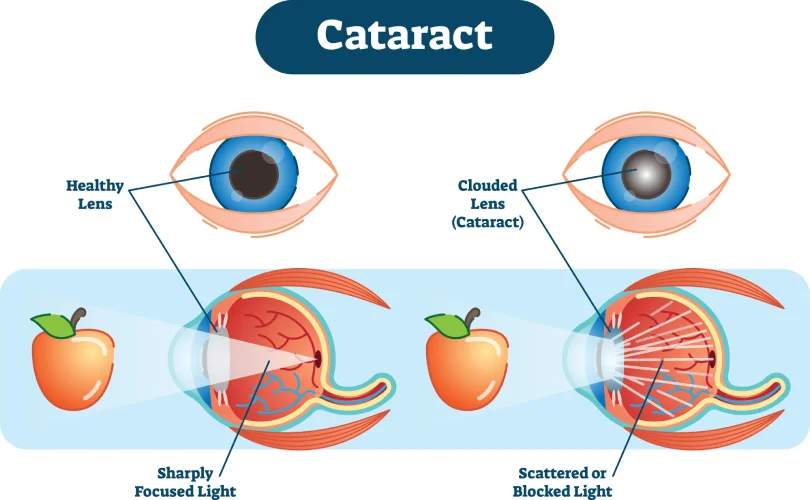
Cataracts are among the most common causes of blurred vision, particularly in older adults. The condition develops when the eye’s natural lens becomes cloudy, gradually affecting reading, driving, recognising faces and performing everyday activities. Although cataracts commonly develop with age, they may also occur due to diabetes, eye injuries, prolonged steroid use or other medical conditions. Understanding the Cataract surgery cost in Mumbai is important for patients considering treatment, as expenses vary according to the surgical technique, intraocular lens selection, hospital facilities and individual eye health.
At Smart Vision Eye Centre, Dr. Seema Behl provides ophthalmic consultations and cataract-related eye care. This article explores the procedure, approximate expenses, available lens options, potential benefits, risks and recovery precautions.
What Is a Cataract and When Is Surgery Necessary?
A cataract develops when proteins within the eye’s natural lens undergo changes that reduce its transparency. As the cloudiness progresses, less light reaches the retina clearly, resulting in blurred or hazy vision.
Common symptoms include:
- Blurred, cloudy or dim vision.
- Increased sensitivity to bright lights and glare.
- Difficulty driving at night.
- Frequent changes in spectacle prescriptions.
- Faded or yellowish colour perception.
- Halos around lights.
- Difficulty reading or performing detailed tasks.
Cataracts cannot be permanently reversed through eye drops, medication or exercises. Surgery is the established treatment when visual impairment significantly affects daily activities.
However, not every cataract requires immediate surgery. The decision depends on symptoms, visual needs, eye examination findings and associated medical conditions.
Factors Affecting Cataract Surgery Cost in Mumbai
The overall expense of cataract surgery depends on several clinical and practical factors.
1. Type of Surgical Technique
Modern cataract surgery commonly involves phacoemulsification, a technique that uses ultrasound energy to break up and remove the cloudy natural lens through a small incision.
Femtosecond laser-assisted cataract surgery may also be offered in selected settings. Laser assistance can perform certain surgical steps, but it does not guarantee better visual outcomes for every patient.
2. Type of Intraocular Lens
The choice of intraocular lens, or IOL, is an important factor influencing treatment costs.
Monofocal lenses generally provide clear vision at one chosen distance, whereas multifocal and extended-depth-of-focus lenses may reduce dependence on glasses for selected patients.
Toric lenses are designed to correct certain degrees of astigmatism.
Premium lenses usually cost more than standard monofocal options.
3. Preoperative Investigations
Eye examinations, optical biometry, corneal measurements and retinal assessments may be required before surgery.
Additional tests may be recommended for patients with diabetes, glaucoma, retinal disorders or previous eye surgery.
4. Hospital and Surgical Facilities
Charges vary according to the operating theatre, surgical equipment, consumables, anaesthesia arrangements and postoperative services.
5. Individual Eye Conditions
Complex cataracts or associated eye diseases may require additional planning, specialised techniques or further treatment, affecting the final expense.
Approximate Cataract Surgery Cost in Mumbai
Patients comparing the Cataract surgery cost in Mumbai should understand that prices vary considerably between healthcare facilities.
The following are illustrative private-sector estimates per eye, rather than verified Smart Vision Eye Centre charges.
Standard Monofocal IOL Surgery: Approximately ₹20,000 to ₹45,000 per eye.
Advanced Monofocal or Aspheric IOL: Approximately ₹35,000 to ₹65,000 per eye.
Toric IOL Surgery: Approximately ₹45,000 to ₹90,000 per eye.
Multifocal or Extended-Depth-of-Focus IOL: Approximately ₹65,000 to ₹1,40,000 per eye.
Laser-Assisted Cataract Surgery: Approximately ₹70,000 to ₹1,60,000 or more per eye.
These ranges are general planning estimates and may overlap. The final amount depends on the lens model, technique, hospital package and medical requirements.
Patients should request a written quotation covering investigations, lens charges, surgery, medications and follow-up appointments.
Cataract Surgery Procedure: Step-by-Step
Cataract surgery is commonly performed as a day-care procedure under local anaesthesia, often using numbing eye drops.
Preoperative Evaluation
The ophthalmologist examines visual acuity, eye pressure, corneal health and retinal condition. Measurements are taken to calculate the appropriate intraocular lens power.
Removal of the Cloudy Lens
During phacoemulsification, the surgeon creates a small corneal incision and uses an ultrasound probe to fragment and remove the cloudy lens.
Intraocular Lens Implantation
A clear artificial lens is inserted into the remaining lens capsule to replace the natural lens.
Postoperative Observation
Patients are monitored briefly before discharge and receive instructions regarding eye drops, protective measures and follow-up appointments.
The operation often takes approximately 15–30 minutes, although the duration varies according to surgical complexity.
Benefits and Risks of Cataract Surgery
Cataract surgery can significantly improve vision when the cataract is the primary cause of visual impairment.
Potential Benefits
- Clearer vision and improved contrast sensitivity.
- Reduced glare and difficulty with bright lights.
- Improved ability to read and perform routine activities.
- Better colour perception.
- Possible reduction in spectacle dependence with selected lenses.
Possible Risks
Although cataract surgery is generally safe, complications can occur, including:
- Eye infection or inflammation.
- Temporary changes in eye pressure.
- Corneal swelling.
- Retinal detachment.
- Posterior capsule opacification developing after surgery.
- Intraocular lens positioning problems.
- Persistent visual limitations due to other eye diseases.
Patients should discuss their individual risk factors and expected outcomes with their ophthalmologist.
Academic Qualifications and Clinical Experience of Dr. Seema Behl
Dr. Seema Behl is an ophthalmologist and consultant eye surgeon with over 30 years of clinical experience in eye care and ophthalmic surgery.
She completed her MBBS and MS in Ophthalmology from the Institute of Medical Sciences, Banaras Hindu University, Varanasi.
She subsequently undertook specialised training at Aravind Eye Hospital, Madurai, including fellowships in general ophthalmology, cataract microsurgery and phacoemulsification.
Her professional background includes consultant positions at Kokilaben Dhirubhai Ambani Hospital, Bombay City Eye Institute and other eye hospitals in Mumbai and Delhi.
Her clinical experience includes thousands of cataract procedures, including complex, traumatic and paediatric cases. She has also participated in training ophthalmologists in small-incision cataract surgery and phacoemulsification.
Her areas of expertise include cataract surgery, LASIK, refractive surgery, glaucoma management and general ophthalmology.
Clinic Environment and Expertise at Smart Vision Eye Centre
Smart Vision Eye Centre is an Ophthalmologist Clinic in Andheri East, Mumbai, established by Dr. Seema Behl to provide accessible, comprehensive eye care.
The clinic offers eye examinations, cataract consultations, glaucoma assessment, diabetic eye evaluations, refractive care and other ophthalmic services.
Its approach includes diagnostic assessment, individualised treatment planning and patient counselling.
Patients searching for an Eye Specialist & Surgeon in Mumbai may consider factors such as the ophthalmologist’s qualifications, experience, diagnostic facilities, surgical arrangements and postoperative follow-up services.
The centre also emphasises preventive eye care and early detection of conditions that can affect long-term vision.
Recovery and Aftercare Following Cataract Surgery
Most patients notice some visual improvement within the first few days, although complete healing can take several weeks.
Important precautions include:
- Using prescribed antibiotic and anti-inflammatory eye drops.
- Avoiding rubbing or pressing the operated eye.
- Wearing protective eye shields when recommended.
- Avoiding swimming and potentially contaminated water during early recovery.
- Limiting strenuous physical activities until medically cleared.
- Attending scheduled postoperative examinations.
Mild irritation, watering or temporary blurriness can occur during healing.
However, severe eye pain, sudden vision loss, increasing redness or new flashes and floaters require urgent ophthalmic assessment.
Frequently Asked Questions (FAQs)
1. What is the average cataract surgery cost in Mumbai?
The Cataract surgery cost in Mumbai may range from approximately ₹20,000 to ₹1,60,000 or more per eye, depending on the lens, surgical technique and hospital package. Patients should obtain an individualised quotation.
2. Is cataract surgery covered by health insurance?
Many health insurance policies cover medically necessary cataract surgery, subject to waiting periods, policy limits, lens restrictions and other conditions. Patients should confirm eligibility with their insurer.
3. How long does cataract surgery take?
Routine cataract surgery generally takes approximately 15–30 minutes, although additional time is required for preparation and postoperative observation.
4. Can cataracts develop again after surgery?
The natural cataract does not return after removal. However, posterior capsule opacification can develop later and cause blurred vision. This is often treated using a brief YAG laser procedure.
Book a Cataract Consultation With Dr. Seema Behl
Patients experiencing cloudy vision, increased glare or difficulty reading can schedule an eye examination with Dr. Seema Behl at Smart Vision Eye Centre to discuss cataract treatment options and receive an individualised cost estimate.
+91 9321842424 | +91 22 31399370
info@smartvisioneyecentre.com
Get Directions to the Clinic – Smart Vision Eye Centre