
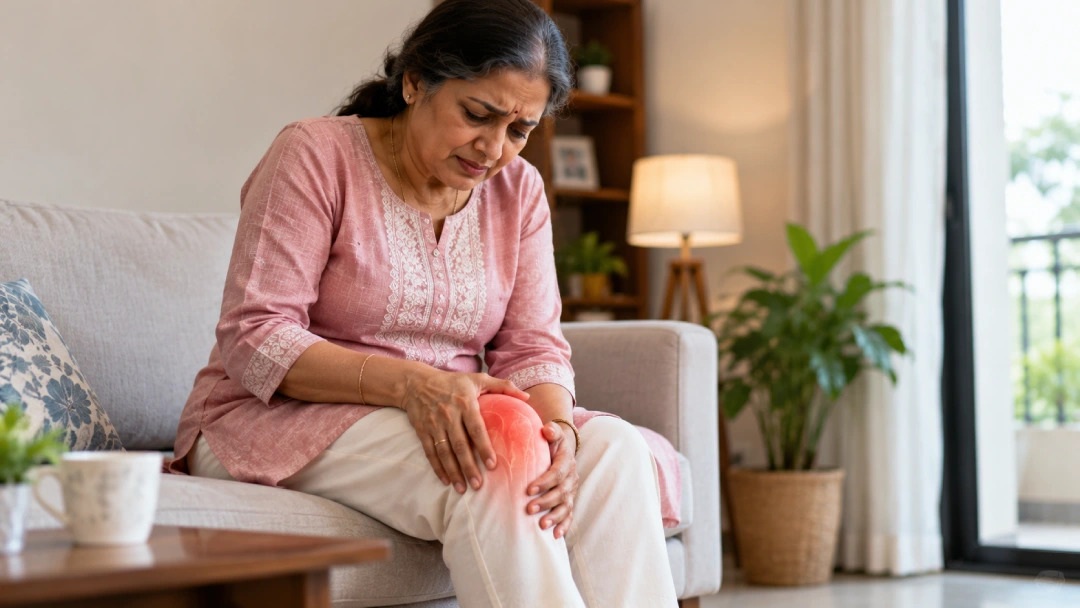
Knee pain is a common musculoskeletal problem affecting people of different age groups. Whether caused by aging, sports injuries, arthritis, or everyday strain, persistent knee discomfort can interfere with walking, climbing stairs, exercising, and performing routine activities. While occasional knee pain may improve with rest, recurring symptoms can indicate an underlying joint condition requiring medical attention. Seeking timely Knee Pain Treatment in Borivali can help identify the cause, manage discomfort, and prevent further joint complications.
Suvarna Hospital, also known as Dhankuvarben Hospital and Ramaben Cardiac Centre, provides multidisciplinary healthcare services in Borivali West, Mumbai. Its orthopaedic specialists assess bone and joint conditions, helping patients understand appropriate treatment and rehabilitation options.
Understanding Knee Pain and Its Common Causes
The knee is a complex weight-bearing joint consisting of bones, cartilage, ligaments, tendons, and surrounding muscles. These structures work together to support movement and maintain stability.
Knee pain can develop when any of these components becomes injured, inflamed, or damaged.
Common Causes of Knee Pain
1. Osteoarthritis
Osteoarthritis occurs when the protective cartilage within the knee joint gradually deteriorates. It commonly affects older adults and may cause stiffness, swelling, and discomfort during movement.
2. Ligament Injuries
Injuries to the anterior cruciate ligament (ACL), posterior cruciate ligament (PCL), or collateral ligaments can occur during sports activities, sudden twisting movements, or accidents.
3. Meniscus Tears
The meniscus is a cartilage structure that cushions the knee joint. Sudden twisting injuries or age-related degeneration can cause tears, resulting in pain, swelling, or catching sensations.
4. Tendinitis
Repetitive movements, excessive physical activity, and overuse can irritate the tendons surrounding the knee, causing inflammation and discomfort.
5. Rheumatoid Arthritis
This autoimmune condition causes inflammation in the joints, potentially leading to persistent pain, stiffness, and swelling.
6. Excess Body Weight
Additional body weight increases the mechanical load on the knees, potentially worsening symptoms associated with osteoarthritis and other joint conditions.
When Should You Seek Knee Pain Treatment in Borivali?
Occasional knee discomfort may resolve with simple measures. However, persistent or recurring pain should not be ignored.
Consider consulting an orthopaedic specialist if you experience:
- Knee pain lasting several days or repeatedly returning.
- Swelling, redness, or warmth around the joint.
- Difficulty bending or straightening the knee.
- Pain while walking, climbing stairs, or standing.
- Clicking, locking, or instability during movement.
- Morning stiffness affecting everyday activities.
- Reduced mobility or difficulty bearing weight.
Severe pain following an injury, visible deformity, inability to bear weight, or a hot, swollen knee accompanied by fever requires urgent medical assessment.
Early evaluation can help identify treatable conditions and reduce the likelihood of prolonged discomfort.
How Is Knee Pain Diagnosed?
Accurate diagnosis is essential because different knee conditions require different treatment approaches.
During a consultation, an orthopaedic specialist generally evaluates the patient’s symptoms, medical history, activity level, and previous injuries.
Physical Examination
The doctor examines knee movement, swelling, tenderness, joint alignment, and ligament stability. Walking patterns and muscle strength may also be assessed.
Imaging Investigations
Depending on the suspected condition, diagnostic tests may include:
- X-rays: To assess fractures, joint alignment, and changes associated with osteoarthritis.
- MRI scans: To examine cartilage, ligaments, menisci, and other soft tissues.
- Ultrasound: To investigate selected tendon conditions or fluid accumulation.
- Blood tests: To evaluate suspected inflammatory arthritis or infection.
Not every patient requires advanced imaging. Investigations are selected according to clinical findings.
Available Treatment Options for Knee Pain
Treatment depends on the underlying diagnosis, symptom severity, functional limitations, and overall health.
1. Medication and Pain Management
Doctors may recommend suitable pain-relieving or anti-inflammatory medications to reduce discomfort. Medication selection depends on the patient’s medical history and possible side effects.
2. Physiotherapy and Rehabilitation
Physiotherapy focuses on strengthening the muscles surrounding the knee, improving flexibility, and restoring movement.
Structured rehabilitation may include quadriceps strengthening, balance exercises, stretching, and gradual activity progression.
3. Lifestyle Modifications
Weight management, appropriate footwear, low-impact exercise, and adjustments to repetitive activities may reduce pressure on affected joints.
4. Joint Injections
For selected patients, doctors may consider corticosteroid injections to provide short-term relief from inflammatory symptoms. Benefits and limitations should be discussed before treatment.
5. Arthroscopic Surgery
Arthroscopy is a minimally invasive surgical technique used for certain knee injuries. However, it is not routinely recommended for uncomplicated degenerative knee osteoarthritis.
6. Knee Replacement Surgery
For advanced arthritis causing significant pain and disability despite appropriate non-surgical care, partial or total knee replacement may be considered.
Patients exploring Knee Pain Treatment in Borivali should understand that surgery is not necessary for every knee condition. Conservative management is often considered first when clinically appropriate.
Benefits and Possible Risks of Knee Pain Treatment
Appropriate treatment aims to improve mobility, reduce pain, and support long-term joint function.
Potential Benefits
- Reduced pain and stiffness.
- Improved flexibility and joint movement.
- Better muscle strength and stability.
- Increased comfort during daily activities.
- Improved functional independence.
Possible Risks
Treatment-related risks vary according to the chosen approach. Medications may cause gastrointestinal or other adverse effects, injections can occasionally cause infection, and surgical procedures carry risks such as bleeding, blood clots, stiffness, or complications related to anaesthesia.
Patients should discuss expected outcomes and possible complications with their treating specialist.
About Suvarna Hospital, Borivali
Suvarna Hospital, formally known as Dhankuvarben Hospital and Ramaben Cardiac Centre, is managed by Suvarna Trust.
According to its official website, the hospital has served Mumbai’s western suburbs for more than 25 years, focusing on accessible and cost-effective healthcare.
Located in Borivali West, the hospital offers multidisciplinary medical services supported by specialist consultations, diagnostic evaluation, and patient-centred treatment planning.
Its facilities and healthcare approach are designed to support patients requiring routine consultations as well as specialised medical care.
People searching for the Best Hospital in Borivali may consider factors such as specialist availability, clinical facilities, accessibility, treatment costs, and continuity of care.
As a Multispecialty Hospital Borivali, Suvarna Hospital provides access to different medical specialties, including orthopaedics, physiotherapy, pain management, and surgical services.
Orthopaedic Expertise and Rehabilitation at Suvarna Hospital
Suvarna Hospital lists several orthopaedic specialists with experience in joint replacement, sports injuries, fracture management, arthroscopy, and musculoskeletal conditions.
Its published specialist directory includes Dr. K. S. Sandhu, Dr. Akshay Bhagat, Dr. Jayesh Gala, and other orthopaedic consultants. The hospital also lists pain-management and physiotherapy services.
For patients seeking Knee Pain Treatment in Borivali, access to orthopaedic assessment and rehabilitation services can support coordinated care.
The treatment approach depends on individual symptoms, diagnostic findings, and specialist recommendations.
Precautions and Self-Care Tips for Knee Pain
Alongside medical treatment, certain precautions can help support knee health and reduce recurring symptoms.
- Maintain a healthy body weight to reduce joint stress.
- Perform strengthening exercises recommended by a physiotherapist.
- Avoid sudden increases in strenuous physical activity.
- Wear comfortable, supportive footwear.
- Use cold packs for short-term relief after minor injuries when appropriate.
- Avoid prolonged inactivity unless advised by a doctor.
- Attend follow-up consultations to monitor recovery.
These measures should complement, rather than replace, professional medical evaluation.
Frequently Asked Questions (FAQs)
1. Why does knee pain keep coming back?
Recurring knee pain may result from untreated arthritis, ligament injuries, muscle weakness, cartilage damage, or repetitive joint strain. Temporary pain relief does not always resolve the underlying problem.
2. Can knee pain be treated without surgery?
Yes. Many knee conditions can be managed through physiotherapy, medications, weight management, activity modifications, and selected injections. Surgery is generally considered when clinically indicated.
3. How long does knee pain treatment take?
Recovery depends on the diagnosis and severity of the condition. Minor strains may improve within weeks, while arthritis and significant ligament injuries may require longer-term treatment and rehabilitation.
4. When should I consult an orthopaedic specialist?
Consult a specialist if knee pain persists, repeatedly returns, causes swelling, limits movement, or interferes with daily activities. Severe injury symptoms or signs of infection require urgent assessment.
Book an Orthopaedic Consultation at Suvarna Hospital
If knee pain is affecting your daily routine, contact Suvarna Hospital to arrange an orthopaedic evaluation and discuss suitable treatment options.
+91 9987130994 | +91 22 35143030
dhankuvarbenhospital@gmail.com
Get Directions to the Clinic – Suvarna Hospital