
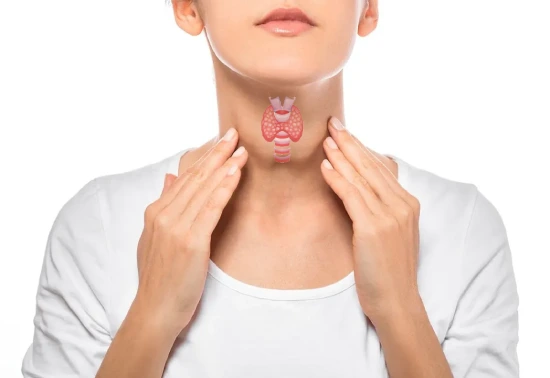
The thyroid gland is a small, butterfly-shaped organ located in the lower front portion of the neck. It produces hormones that regulate metabolism, energy levels, heart rate, and several important bodily functions. Sometimes, the thyroid gland becomes enlarged or develops nodules, resulting in visible swelling around the neck. Although many thyroid swellings are benign, some require further medical investigation. Thyroid swelling treatment in Mumbai focuses on identifying the underlying cause, assessing thyroid function, and determining whether monitoring, medication, or surgery is necessary.
As a medical journalist exploring specialized ENT services, I reviewed the clinical approach of Dr. Shama Kovale, an ENT specialist associated with Kokilaben Dhirubhai Ambani Hospital in Andheri West, Mumbai. Her practice includes evaluating neck swellings and related throat conditions, with an emphasis on appropriate diagnosis and individualized treatment planning.
What Is Thyroid Swelling?
Thyroid swelling refers to enlargement of the thyroid gland or the development of one or more thyroid nodules.
The enlargement may be diffuse, affecting the entire gland, or localized to a particular area.
Common thyroid conditions include:
- Goitre: Enlargement of the thyroid gland, sometimes associated with abnormal thyroid hormone production.
- Thyroid nodules: Solid or fluid-filled lumps developing within the gland.
- Thyroid cysts: Fluid-containing lesions that may cause localized swelling.
- Thyroiditis: Inflammation of the thyroid gland.
- Multinodular goitre: Enlargement associated with multiple thyroid nodules.
- Thyroid cancer: An uncommon but important cause of thyroid swelling that requires specialized evaluation.
Not every thyroid swelling causes symptoms, and many are discovered during routine examinations or imaging investigations.
Common Causes of Thyroid Swelling
Thyroid enlargement can develop due to several factors, including:
- Iodine deficiency
- Hashimoto’s thyroiditis
- Graves’ disease
- Benign thyroid nodules
- Thyroid cysts
- Inflammatory thyroid disorders
- Certain medications
- Thyroid malignancies
Family history, previous radiation exposure, and hormonal factors may also influence the likelihood of developing thyroid disorders.
Identifying the cause helps determine the most appropriate treatment.
Symptoms That May Require Medical Attention
Thyroid swelling may initially appear as a small lump at the front of the neck.
Possible symptoms include:
- Visible enlargement of the neck
- Difficulty swallowing
- Persistent throat pressure
- Changes in voice or unexplained hoarseness
- Breathing discomfort
- Neck tenderness
- Unexplained weight changes
- Fatigue or palpitations
- Sensitivity to heat or cold
Some symptoms relate to thyroid hormone imbalance rather than the swelling itself.
Rapidly increasing neck swelling, significant breathing difficulty, or difficulty swallowing saliva requires urgent medical assessment.
Thyroid Swelling Treatment in Mumbai: Diagnosis and Medical Evaluation
A detailed medical evaluation for Thyroid swelling treatment in Mumbai is essential to distinguish benign thyroid enlargement from conditions requiring further investigation and determine the most appropriate treatment approach.
1. Clinical Examination
The doctor examines the neck to assess swelling size, consistency, tenderness, and movement during swallowing.
Medical history includes thyroid disorders, medications, family history, and previous radiation exposure.
2. Thyroid Function Tests
Blood investigations commonly include thyroid-stimulating hormone (TSH), with free T4 and other tests when indicated.
These help identify overactive or underactive thyroid function.
3. Thyroid Ultrasound
Ultrasound evaluates thyroid size, nodule characteristics, cystic changes, and suspicious features.
It also helps determine whether further testing is required.
4. Fine-Needle Aspiration Cytology
Fine-needle aspiration cytology (FNAC) may be recommended for nodules meeting clinical and ultrasound-based criteria.
A thin needle is used to collect cells for microscopic examination.
5. Additional Investigations
CT imaging, radionuclide scanning, or laryngoscopy may be recommended in selected cases.
Laryngoscopy is particularly relevant when patients have voice changes or are being evaluated before certain thyroid operations.
Treatment Options for Thyroid Swelling
Treatment depends on the underlying diagnosis, nodule characteristics, thyroid hormone levels, and symptoms.
Observation and Monitoring
Small, benign-appearing nodules without concerning symptoms may only require periodic ultrasound monitoring.
Medication
Thyroid hormone replacement may be prescribed for hypothyroidism.
Antithyroid medications may be used for selected causes of hyperthyroidism.
Medication does not necessarily eliminate thyroid nodules or reverse structural enlargement.
Radioactive Iodine Treatment
Radioactive iodine may be appropriate for selected patients with hyperthyroidism or toxic nodular thyroid disease.
It is not suitable for every type of thyroid swelling.
Thyroid Surgery
Surgery may be recommended when:
- A nodule is malignant or suspicious for cancer.
- A large goitre causes pressure symptoms.
- Swelling interferes with swallowing or breathing.
- Certain nodules produce excessive thyroid hormone.
- Other treatments are unsuitable or ineffective.
Procedures may include thyroid lobectomy or total thyroidectomy, depending on the diagnosis.
Benefits and Risks of Thyroid Surgery
Potential Benefits
Appropriate surgical treatment may:
- Remove suspicious or malignant thyroid tissue.
- Relieve pressure on the windpipe or oesophagus.
- Address selected hormone-producing nodules.
- Reduce symptoms caused by significant gland enlargement.
- Provide tissue for definitive pathological examination.
Possible Risks
Thyroid surgery carries potential complications, including:
- Bleeding or infection
- Neck scarring
- Temporary or persistent voice changes
- Recurrent laryngeal nerve injury
- Low calcium levels following certain operations
- Anaesthesia-related complications
- Need for lifelong thyroid hormone replacement after total thyroidectomy
These risks should be discussed during preoperative counselling.
Approximate Cost of Thyroid Swelling Treatment in Mumbai
The cost varies according to the diagnostic investigations, treatment method, hospital facilities, and surgical complexity.
General indicative expenses may include:
- ENT consultation: ₹800–₹2,500
- Thyroid ultrasound: ₹1,000–₹3,500
- Thyroid blood tests: ₹500–₹2,500
- Thyroid FNAC: ₹1,500–₹5,000
- Thyroid surgery: ₹80,000–₹2,50,000 or more
These are illustrative Mumbai market estimates, not confirmed prices at Kokilaben Dhirubhai Ambani Hospital.
Dr. Shama Kovale: Academic Qualifications and Clinical Experience
Dr. Shama Kovale is an ENT specialist associated with Kokilaben Dhirubhai Ambani Hospital in Mumbai.
Her academic qualifications include MBBS, DLO, and MS in ENT, with specialist training associated with B.Y.L. Nair Hospital, Mumbai.
Her professional background also includes advanced training in laryngology and voice disorders, with international clinical exposure at the University of California, Davis.
According to her published professional profile, she has more than 23 years of ENT experience.
Her clinical interests include voice disorders, swallowing difficulties, laryngeal conditions, and the evaluation of selected neck and throat problems.
Patients searching for an ENT Specialist in Mumbai should consider the doctor’s qualifications, experience with relevant neck conditions, and access to diagnostic investigations.
For individuals seeking an ENT Doctor in Mumbai, multidisciplinary assessment may be particularly important when thyroid swelling is associated with voice changes, swallowing difficulty, or suspected malignancy.
Clinic Environment and Expertise at Kokilaben Dhirubhai Ambani Hospital
Kokilaben Dhirubhai Ambani Hospital is a multispecialty healthcare facility located in Andheri West, Mumbai.
The hospital provides ENT consultations and access to diagnostic imaging, laboratory investigations, and specialist services.
Thyroid disorders may require coordination between ENT specialists, endocrinologists, radiologists, pathologists, and endocrine or head-and-neck surgeons.
Such multidisciplinary care supports diagnosis, surgical planning when necessary, and postoperative monitoring.
Precautions and Aftercare Advice
Patients receiving treatment for thyroid swelling should follow recommendations based on their diagnosis.
General precautions include:
- Attend scheduled thyroid function testing.
- Take prescribed medication consistently.
- Avoid taking iodine supplements without medical advice.
- Complete recommended ultrasound follow-ups.
- Report increasing neck swelling or voice changes.
- Follow wound-care instructions after surgery.
- Avoid strenuous activity until medically cleared.
- Attend postoperative reviews and calcium monitoring when advised.
Patients who undergo total thyroidectomy generally require lifelong thyroid hormone replacement.
Frequently Asked Questions (FAQs)
1. Is thyroid swelling always a sign of cancer?
No. Most thyroid nodules are benign. However, ultrasound assessment and, when indicated, FNAC help identify suspicious nodules.
2. Can thyroid swelling disappear without surgery?
Some thyroid swellings improve with treatment of the underlying condition, while others remain stable and require monitoring. Surgery is not necessary for every patient.
3. When is thyroid surgery recommended?
Surgery may be recommended for suspicious or malignant nodules, large goitres causing pressure symptoms, or selected hormone-producing thyroid conditions.
4. Can thyroid swelling affect the voice?
Yes. Large nodules or other thyroid conditions may affect nearby structures, including nerves involved in vocal cord movement. Persistent voice changes require medical evaluation.
Book a Consultation With Dr. Shama Kovale
If you notice persistent neck swelling, difficulty swallowing, or unexplained voice changes, seek professional evaluation. For Thyroid swelling treatment in Mumbai, contact Dr. Shama Kovale to discuss your symptoms, appropriate investigations, and available treatment pathways.
+91 91528 50769
drshamakovaleent@gmail.com
Get Directions to the Clinic – Kokilaben Dhirubhai Ambani Hospital