
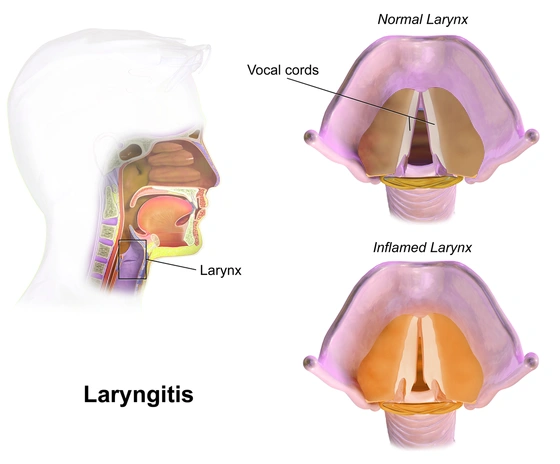
The vocal cords play an essential role in producing sound, protecting the airway, and supporting normal breathing and swallowing. When one or both vocal cords cannot move properly, individuals may experience hoarseness, a weak voice, difficulty swallowing, or breathing problems. Vocal cord paralysis in Mumbai requires specialized evaluation to identify the underlying cause and determine appropriate treatment. Early assessment is particularly important when symptoms interfere with communication, eating, or breathing.
As a medical journalist exploring specialized ear, nose, and throat care, I reviewed the clinical approach of Dr. Shama Kovale, an ENT and voice specialist associated with Kokilaben Dhirubhai Ambani Hospital in Andheri West, Mumbai. Her practice focuses on diagnosing voice disorders, evaluating laryngeal conditions, and providing individualized treatment recommendations.
Understanding Vocal Cord Paralysis
Vocal cord paralysis, also called vocal fold paralysis, occurs when nerve signals controlling the movement of one or both vocal folds are disrupted.
The vocal folds are located inside the larynx, commonly known as the voice box. During speaking, they move together and vibrate to produce sound. They also close during swallowing to help prevent food and liquids from entering the airway.
Paralysis may affect:
- One vocal cord (unilateral paralysis): Commonly causes breathy or weak voice, vocal fatigue, and sometimes swallowing difficulties.
- Both vocal cords (bilateral paralysis): May cause serious breathing difficulties, particularly when the vocal folds remain close together.
The severity of symptoms depends on the position of the affected vocal fold and the extent of nerve dysfunction.
Causes of Vocal Cord Paralysis
Several medical conditions can affect the nerves responsible for vocal cord movement.
Common causes include:
- Thyroid, neck, chest, or cardiac surgery
- Injury to the recurrent laryngeal nerve
- Viral infections affecting nerve function
- Tumours involving the neck, thyroid, or chest
- Neurological conditions such as stroke
- Trauma to the head or neck
- Certain inflammatory or neurological disorders
- Unexplained nerve dysfunction
In some patients, the exact cause remains unknown despite appropriate investigations.
Identifying the underlying condition is essential because treatment may involve more than improving voice quality.
Common Symptoms and Warning Signs
Symptoms can develop suddenly or gradually.
Patients may notice:
- Persistent hoarseness or breathy voice
- Reduced vocal volume
- Difficulty speaking for extended periods
- Vocal fatigue
- Coughing or choking while drinking liquids
- Difficulty swallowing
- Ineffective coughing
- Shortness of breath
- Noisy breathing in severe cases
Persistent voice changes should not automatically be attributed to laryngitis or vocal strain.
Sudden or severe breathing difficulty, noisy breathing at rest, or choking that compromises breathing requires emergency medical attention.
Diagnosis and Treatment of Vocal Cord Paralysis in Mumbai
A detailed ENT examination for Vocal cord paralysis in Mumbai is essential to confirm abnormalities in vocal fold movement, identify underlying causes, and determine appropriate treatment options.
Medical History and Examination
The doctor reviews symptom duration, previous surgeries, medical conditions, swallowing difficulties, and changes in breathing.
Flexible Laryngoscopy
A thin, flexible camera is passed through the nose to visualize the larynx and assess vocal fold movement.
Videostroboscopy
Videostroboscopy uses specialized lighting to evaluate vocal fold vibration during voice production. It may help identify additional voice disorders.
Imaging Investigations
CT or MRI scans may be recommended when the cause of paralysis is unclear or when structural abnormalities are suspected.
Laryngeal Electromyography
In selected cases, laryngeal electromyography helps assess nerve and muscle activity and may provide information about recovery potential.
The diagnostic approach depends on the patient’s symptoms, examination findings, and medical history.
Treatment Options for Vocal Cord Paralysis
Treatment varies according to whether one or both vocal folds are affected, the underlying cause, and the severity of symptoms.
Voice Therapy
Voice therapy is often recommended for selected patients with unilateral vocal fold paralysis.
A speech-language therapist may help improve vocal efficiency, breathing coordination, and communication techniques.
Injection Laryngoplasty
Injection laryngoplasty involves placing a suitable material into the affected vocal fold to improve closure during speaking.
The procedure may help reduce breathiness and improve voice strength in appropriately selected patients.
Medialization Thyroplasty
Medialization thyroplasty involves positioning an implant to move the paralyzed vocal fold closer to the midline.
This may improve vocal fold closure and voice quality in selected cases.
Reinnervation Procedures
Some patients may be considered for surgical procedures designed to restore nerve input to the affected vocal fold.
Treatment for Bilateral Paralysis
When both vocal folds are paralyzed and breathing is compromised, airway management becomes the priority.
Procedures may include airway-widening surgery or, in severe cases, tracheostomy.
Not every patient requires surgery. Some cases improve spontaneously, particularly when the nerve injury is temporary.
Benefits and Risks of Vocal Cord Paralysis Treatment
Potential Benefits
Appropriate treatment may help:
- Improve voice strength and clarity
- Reduce vocal fatigue
- Improve communication
- Support safer swallowing
- Reduce aspiration risk in selected patients
- Improve breathing when airway obstruction is present
Possible Risks
Depending on the treatment, potential complications include:
- Temporary throat discomfort
- Infection or bleeding
- Incomplete improvement
- Changes in voice quality
- Implant-related complications
- Need for repeat injections or additional surgery
- Airway complications following certain procedures
Treatment decisions should reflect the patient’s diagnosis, medical condition, and individual goals.
Approximate Cost of Vocal Cord Paralysis Treatment in Mumbai
The cost depends on diagnostic investigations, treatment complexity, hospital facilities, and whether surgery is necessary.
For general planning purposes, approximate costs may include:
- ENT consultation: ₹800–₹2,500
- Flexible laryngoscopy: ₹1,500–₹5,000
- Videostroboscopy: ₹2,000–₹6,000
- Injection laryngoplasty: ₹30,000–₹80,000
- Medialization thyroplasty: ₹70,000–₹1,80,000 or more
These are illustrative market estimates rather than verified charges at Kokilaben Dhirubhai Ambani Hospital. Actual expenses may differ according to treatment requirements.
Dr. Shama Kovale: Qualifications and Clinical Experience
Dr. Shama Kovale is an ENT specialist associated with Kokilaben Dhirubhai Ambani Hospital in Mumbai.
Her professional interests include laryngology, voice disorders, swallowing concerns, and other ear, nose, and throat conditions.
Her clinical approach involves evaluating symptoms, examining laryngeal function, and identifying appropriate medical or procedural treatments.
Her practice addresses concerns such as hoarseness, vocal fold abnormalities, laryngitis, and other conditions affecting voice quality.
Patients seeking an ENT Specialist in Mumbai should consider the doctor’s relevant training, clinical experience, and familiarity with diagnostic techniques used for voice disorders.
Similarly, choosing an ENT Doctor in Mumbai for persistent hoarseness or suspected vocal fold paralysis requires attention to the availability of laryngoscopy, voice assessment, and specialist follow-up.
Clinical Environment at Kokilaben Dhirubhai Ambani Hospital
Kokilaben Dhirubhai Ambani Hospital is a multispecialty healthcare facility located in Andheri West, Mumbai.
The hospital provides access to ENT consultations, diagnostic investigations, and multidisciplinary medical services.
Evaluation of complex voice and swallowing conditions may involve collaboration with speech-language therapists, neurologists, radiologists, and other specialists when clinically appropriate.
Such coordination can be important when vocal fold paralysis is associated with neurological disorders, previous surgery, or underlying structural conditions.
Precautions and Aftercare Advice
Recovery recommendations depend on the treatment received.
General precautions include:
- Follow prescribed voice therapy exercises.
- Avoid shouting or excessive vocal strain.
- Maintain adequate hydration.
- Avoid smoking and exposure to irritants.
- Follow swallowing precautions when recommended.
- Take medications according to medical advice.
- Attend scheduled follow-up appointments.
- Report worsening breathing or swallowing symptoms promptly.
Patients undergoing surgery or injection procedures should follow their treating surgeon’s specific postoperative instructions.
Frequently Asked Questions (FAQs)
1. Can vocal cord paralysis recover naturally?
Some patients experience partial or complete recovery when the underlying nerve injury is temporary. Recovery may take several months, but outcomes depend on the cause and severity.
2. Is vocal cord paralysis a serious condition?
Unilateral paralysis often causes voice and swallowing difficulties, while bilateral paralysis may obstruct breathing and require urgent treatment.
3. Can voice therapy cure vocal cord paralysis?
Voice therapy does not directly restore a damaged nerve. However, it can improve vocal function and communication in selected patients.
4. When should I consult an ENT specialist for hoarseness?
Persistent hoarseness lasting more than four weeks generally warrants laryngeal examination. Earlier evaluation is recommended when symptoms follow surgery or are accompanied by breathing difficulties, swallowing problems, or other warning signs.
Book a Consultation With Dr. Shama Kovale
If you are experiencing persistent hoarseness, weak voice, or difficulty swallowing, seek professional evaluation. For concerns related to Vocal cord paralysis in Mumbai, contact Dr. Shama Kovale to discuss diagnostic assessment and suitable treatment options.
+91 91528 50769
drshamakovaleent@gmail.com
Get Directions to the Clinic – Kokilaben Dhirubhai Ambani Hospital