
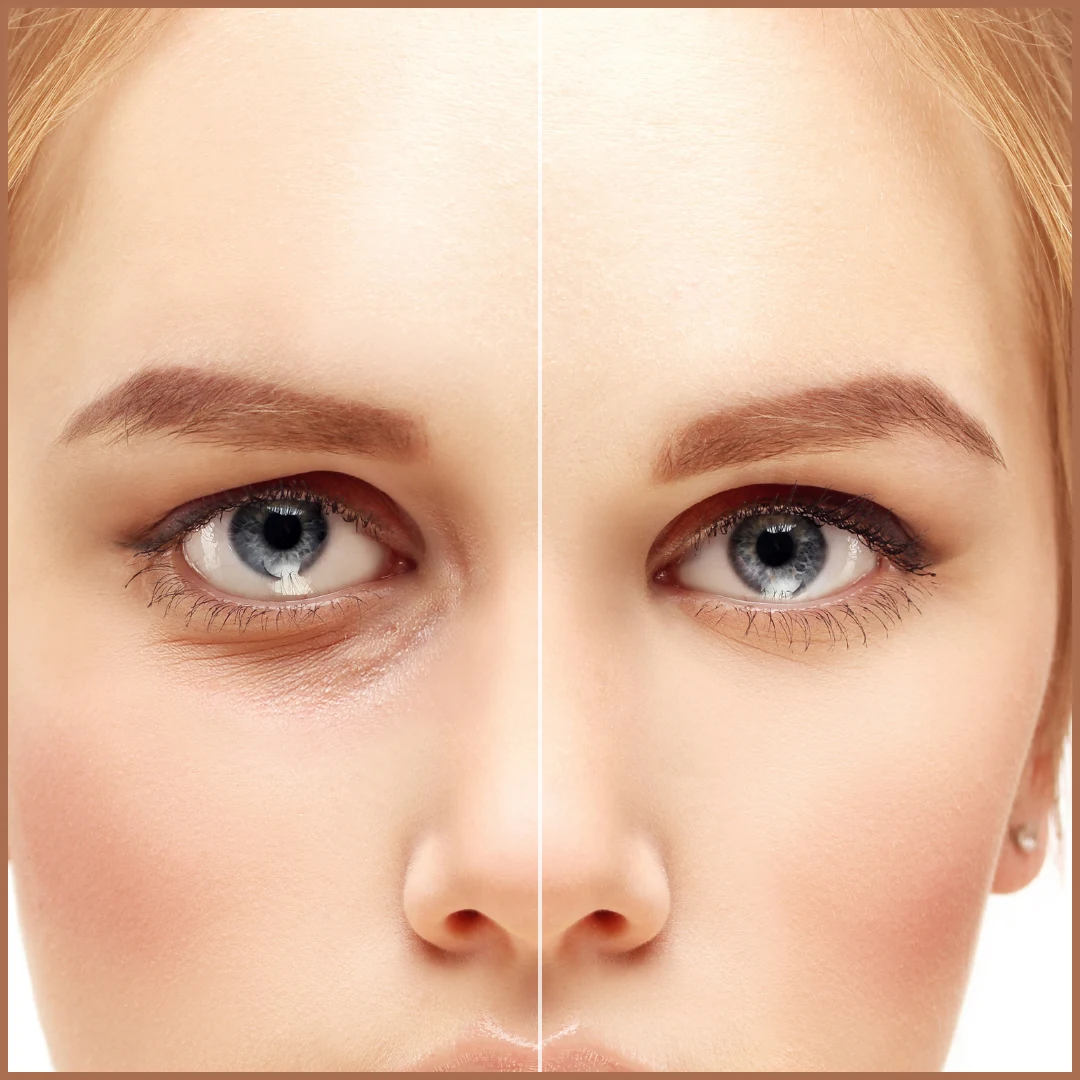
The eyes play an important role in facial expression and appearance. However, excess skin, puffiness, and drooping eyelids can sometimes make a person look tired or older than they feel. In certain cases, sagging upper eyelids may also interfere with the field of vision. Eyelid surgery in Mumbai, medically known as blepharoplasty, is a cosmetic procedure designed to address these concerns by removing or repositioning excess skin and fat around the eyes.
If you are considering Eyelid surgery in Mumbai, understanding the procedure, suitability, recovery process, and expected outcomes can help you make an informed decision. Dr. Amiti Shah at Shah Superspeciality Clinic offers aesthetic and cosmetic surgical consultations to help patients explore suitable treatment options based on their individual needs.
What Is Eyelid Surgery in Mumbai (Blepharoplasty)?
Blepharoplasty is a surgical procedure that improves the appearance of the upper eyelids, lower eyelids, or both. It involves carefully addressing excess skin and fat deposits around the eyes. Depending on the patient’s concerns, the surgeon may also adjust underlying muscles or reposition fat to create a balanced appearance.
The procedure may be considered for people experiencing:
- Loose or sagging skin on the upper eyelids.
- Puffy lower eyelids caused by prominent fat deposits.
- A tired or aged appearance around the eyes.
- Drooping upper eyelids that obstruct part of the visual field.
- Noticeable differences between the two eyelids.
The treatment plan depends on the patient’s eyelid anatomy, skin condition, eye health, and aesthetic goals. A consultation is essential to determine whether surgery is appropriate.
Why Do People Consider Blepharoplasty?
There are cosmetic and functional reasons why someone may consider eyelid surgery.
1. Excess skin around the eyes
As skin loses elasticity with age, it may become loose and form folds over the upper eyelids. Surgery can remove selected excess skin to create a more refreshed appearance.
2. Under-eye puffiness
Fat deposits beneath the eyes can contribute to persistent puffiness. Depending on the cause and individual anatomy, a surgeon may remove or reposition fat to improve the contour.
3. Drooping upper eyelids
In some patients, excess upper eyelid skin may hang over the eyelashes and restrict peripheral vision. A medical assessment can help establish whether the problem is related to excess skin or another eyelid condition.
4. Uneven eyelid appearance
Differences in eyelid shape or skin distribution can affect facial symmetry. Blepharoplasty may help address selected concerns, although perfect symmetry cannot be guaranteed.
Who Is a Suitable Candidate?
Not everyone with puffy or drooping eyelids requires surgery. A detailed consultation helps determine whether blepharoplasty is a suitable option.
You may be considered a candidate if you:
- Have excess skin or fat around the upper or lower eyelids.
- Are bothered by persistent eyelid puffiness or loose skin.
- Experience vision obstruction due to sagging upper eyelid skin.
- Are generally healthy and able to undergo surgery.
- Have realistic expectations about the possible results.
- Can follow preoperative and postoperative instructions.
Patients with dry eyes, glaucoma, thyroid-related eye conditions, diabetes, or other medical concerns should discuss their health history with the surgeon. An eye examination or specialist assessment may be recommended where necessary. Smoking can affect healing, so patients may be advised to stop before and after surgery.
How Is Eyelid Surgery Performed?
The surgical approach depends on whether the upper eyelids, lower eyelids, or both areas need treatment.
1. Consultation and assessment
The surgeon examines the eyelids, discusses the patient’s concerns, and reviews relevant medical and eye-health history. Photographs and measurements may be taken to plan the procedure.
2. Anaesthesia
Depending on the surgical plan, blepharoplasty may be performed under local anaesthesia with sedation or general anaesthesia.
3. Incision placement
For upper eyelid surgery, incisions are generally planned along the natural eyelid crease. Lower eyelid incisions may be placed just below the lash line or inside the lower eyelid, depending on the technique selected.
4. Skin and fat adjustment
The surgeon carefully removes or repositions selected excess skin and fat. In some cases, underlying muscle may also be adjusted to improve the eyelid contour.
5. Closure
The incisions are closed with fine sutures. Placing incisions within natural folds can help make resulting scars less noticeable once healing progresses.
The duration and specific steps vary according to the patient’s anatomy and treatment requirements. Your surgeon will explain the proposed technique before the procedure.
Benefits of Eyelid Surgery in Mumbai
When appropriately planned and performed, blepharoplasty may offer several benefits:
- A refreshed appearance: Reduces selected excess skin and puffiness around the eyes.
- Improved eyelid contours: Helps create a more defined appearance around the upper or lower eyelids.
- Potential functional improvement: Removing excess upper eyelid skin may improve the visual field when the skin is obstructing vision.
- Long-lasting results: Improvements can remain noticeable for years, although natural ageing continues.
- Discreet incision placement: Incisions are generally planned in natural creases or other suitable locations to reduce their visibility.
Results of Eyelid surgery in Mumbai differ between individuals. The procedure does not stop aging or address every cause of dark circles, wrinkles, or under-eye hollowness.
Recovery and Aftercare
Recovery is an important part of the treatment process. Temporary swelling, bruising, tightness, and mild discomfort around the eyes are common after surgery. These effects usually improve gradually, but the recovery timeline varies.
Patients may be advised to:
- Apply cold packs as directed to help manage swelling.
- Use prescribed eye drops or ointments.
- Keep the surgical area clean and follow wound-care instructions.
- Avoid strenuous exercise and heavy physical activity until cleared.
- Avoid eye makeup and contact lenses until the surgeon confirms it is safe.
- Attend scheduled follow-up appointments.
Some people may resume light daily activities relatively soon, but visible bruising and swelling can last one to two weeks or longer. Avoid driving if vision is affected or while taking medication that causes drowsiness.
Seek prompt medical attention if you experience sudden vision changes, severe or increasing pain, significant bleeding, or rapidly worsening swelling.
Risks and Possible Complications
Like every surgical procedure, blepharoplasty carries potential risks. These may include bleeding, infection, scarring, dry or irritated eyes, difficulty closing the eyelids, asymmetry, and changes in sensation. Temporary blurred vision can also occur. Rare but serious complications affecting vision are possible.
A detailed consultation helps assess individual risk factors. Patients should share their medical history, existing eye conditions, allergies, and medications with the surgeon before proceeding.
Why Consult Dr. Amiti Shah for Eyelid Surgery in Mumbai?
Dr. Amiti Shah is a plastic surgeon associated with Shah Superspeciality Clinic in Gamdevi, South Mumbai. Her qualifications include MBBS from Maharashtra University of Health Sciences, DNB in General Surgery from the National Board of Examinations, DNB in Plastic Surgery, and a Fellowship in Breast Reconstructive and Cosmetic Surgery in the UK.
Her clinical background includes experience in aesthetic and reconstructive plastic surgery, hospital affiliations across South and West Mumbai, and academic involvement at K. J. Somaiya Medical College, where she performs reconstructive surgeries and lectures postgraduate students. She has also participated in surgical camps supporting the rehabilitation of burn victims. Her research has been published in national and international journals, and she received the Best Paper Award in 2016 for research on liposuction.
As a Female Plastic Surgeon In Mumbai, Dr. Amiti Shah emphasises patient comfort, individual assessment, and realistic treatment expectations. Her listed areas of expertise include liposuction, breast procedures, body contouring, and cosmetic gynaecological procedures.
Shah Superspeciality Clinic provides a consultation setting where patients can discuss their concerns, understand available surgical options, and receive guidance about treatment planning and aftercare. The clinic is located at Room No. 719, Panchshil Plaza, B-Wing, 7th Floor, Gamdevi, 55, N. S. Patkar Marg, Mumbai – 400007.
If you are exploring treatment with a Plastic Surgeon in Mumbai, a consultation with Dr. Amiti Shah can help you understand whether blepharoplasty is appropriate for your needs.
Book a Consultation for Eyelid Surgery in Mumbai
Choosing surgery around the eyes requires careful consideration, an understanding of possible risks, and an individualised treatment plan. Before proceeding, discuss your concerns, expectations, medical history, and recovery requirements with a qualified plastic surgeon.
To learn more about Eyelid surgery in Mumbai, contact Dr. Amiti Shah at Shah Superspeciality Clinic to schedule a consultation.
87795 36240 | 022 2367 7234
info@dramitishah.com
Get Directions to the Clinic – Shah Superspeciality Clinic
Frequently Asked Questions
1. What is the purpose of blepharoplasty?
Blepharoplasty removes or repositions selected excess skin and fat around the upper or lower eyelids. It may improve eyelid contours and, in some cases, help address vision obstruction caused by excess upper eyelid skin.
2. Is eyelid surgery painful?
Anaesthesia is used during the procedure to manage pain. Some patients experience temporary discomfort, tightness, swelling, or bruising afterwards. Medication and cold compresses may be recommended to manage these symptoms.
3. How long does recovery take after eyelid surgery?
Initial recovery varies from person to person. Swelling and bruising may remain noticeable for one to two weeks, while complete healing and scar maturation can take longer. Follow your surgeon’s instructions before returning to strenuous activities.
4. Are the results of blepharoplasty permanent?
The results can last for many years, but they do not stop the natural ageing process. Skin and facial tissues continue to change over time, and individual results vary.