
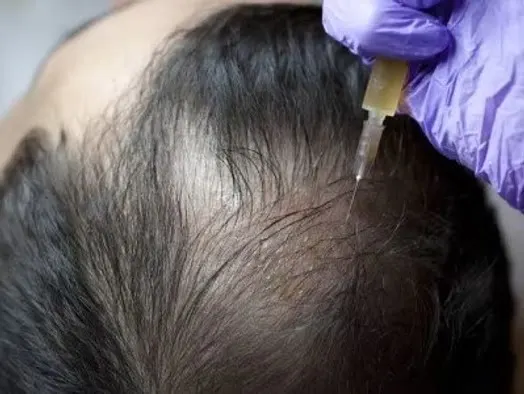
Hair loss Treatment is a common concern affecting both men and women. While losing some hair every day is a normal part of the hair growth cycle, excessive shedding, thinning, or visible bald patches may indicate an underlying problem. Genetics, hormonal changes, nutritional deficiencies, stress, medical conditions, and certain medications can all contribute to hair loss.
Early diagnosis is important because the right treatment depends on identifying the reason behind the shedding. With advances in dermatology, several medical and regenerative options are available to manage hair fall and support healthier hair growth. If you are considering Hair loss Treatment, consulting an experienced dermatologist can help you understand the cause and choose an appropriate treatment plan.
At Ambrosia Aesthetics, Dr. Niketa Sonavane provides personalised hair and scalp consultations for patients experiencing different types of hair loss.
What Is Hair Loss Treatment and When Is It Needed?
Hair loss refers to excessive shedding or a reduction in hair density that may cause visible scalp areas, thinning, or bald patches. It can develop gradually or occur suddenly, depending on the underlying condition.
It is normal to shed approximately 50–100 hairs a day. However, persistent excessive shedding, widening of the hair parting, a receding hairline, or patchy hair loss may require medical evaluation.
Hair loss Treatment may be recommended when hair shedding continues, hair density decreases, or an underlying scalp or medical condition needs attention. Early consultation can help identify potentially reversible causes and prevent further progression in certain types of hair loss.
Common Causes of Hair Loss
Understanding the cause is the first step towards effective management. Some common causes include:
1. Genetic factors: Androgenetic alopecia, also known as male or female pattern hair loss, is associated with inherited sensitivity of hair follicles to hormones. It usually develops gradually.
2. Hormonal changes: Conditions such as PCOS, thyroid disorders, pregnancy, and menopause can influence the hair growth cycle and contribute to increased shedding.
3. Stress and illness: Physical or emotional stress, major illness, surgery, and childbirth can trigger telogen effluvium, a condition in which more hair follicles enter the resting phase and shed.
4. Nutritional deficiencies: Low iron levels, inadequate protein intake, and certain vitamin or mineral deficiencies may affect hair health.
5. Scalp conditions: Fungal infections, inflammatory scalp disorders, and autoimmune conditions such as alopecia areata can cause hair loss.
6. Hair styling and chemical treatments: Frequent bleaching, chemical processing, heat styling, and tight hairstyles may weaken hair or cause traction alopecia.
7. Medications: Certain medicines, including some treatments for cancer and other medical conditions, can affect hair growth.
Types of Hair Loss in Men and Women
Hair loss can appear in different patterns, and identifying the type helps guide treatment.
- Androgenetic alopecia: Gradual thinning associated with genetic and hormonal factors. Men commonly develop a receding hairline or thinning at the crown, while women often experience widening of the central parting.
- Telogen effluvium: Increased shedding that may occur several months after stress, illness, childbirth, or significant weight loss.
- Alopecia areata: An autoimmune condition that causes round or irregular patches of hair loss.
- Traction alopecia: Hair loss caused by repeated pulling from tight hairstyles.
- Anagen effluvium: Rapid hair shedding that can occur following certain medical treatments, including chemotherapy.
- Scarring alopecia: A group of conditions in which inflammation damages hair follicles and may lead to permanent hair loss.
A dermatologist can examine the scalp and recommend further investigations when necessary.
Available Hair loss Treatment Options
There is no single solution that works for every type of hair loss. Treatment depends on the diagnosis, severity, medical history, and individual goals.
1. Minoxidil
Minoxidil is a topical medication used for certain types of pattern hair loss. It may help support hair growth and slow further thinning when used as directed. Consistent use is generally necessary to maintain its benefits. Possible side effects include scalp irritation or unwanted hair growth in nearby areas.
2. Finasteride
Finasteride is an oral medication that may be prescribed for selected patients with male pattern hair loss. It works by reducing the effects of dihydrotestosterone (DHT) on susceptible hair follicles. It is not suitable for everyone and requires medical supervision because of potential side effects and pregnancy-related precautions.
3. PRP Hair Treatment
Platelet-Rich Plasma (PRP) therapy uses a concentrated portion of the patient’s own blood. Blood is collected and processed to separate platelet-rich plasma, which is then injected into selected areas of the scalp. PRP may help improve hair density in some patients, particularly those with certain forms of pattern hair loss. Results vary, and multiple sessions may be recommended.
4. GFC Hair Treatment
Growth Factor Concentrate (GFC) therapy involves preparing growth factors from the patient’s blood and administering them into the scalp. It may be considered as part of a hair restoration plan for selected patients. A dermatologist can explain the expected benefits, limitations, and suitability.
5. Scalp Mesotherapy
Mesotherapy involves administering selected substances into the scalp. The ingredients and treatment protocol vary. Its effectiveness depends on the formulation and the underlying cause of hair loss, so patients should discuss the available evidence and possible risks before proceeding.
6. Low-Level Laser Therapy
Low-Level Laser Therapy (LLLT) uses low-intensity light devices to stimulate scalp tissue. It may help some patients with pattern hair loss. Treatment usually requires repeated sessions or consistent use of an appropriate device.
7. Hair Transplant Surgery
Hair transplantation may be considered for selected patients with stable pattern baldness and suitable donor hair. Techniques such as Follicular Unit Extraction (FUE) and Follicular Unit Transplantation (FUT) involve moving hair follicles from a donor area to areas with reduced density. A specialist assessment is necessary to determine suitability.
How Is the Right Treatment Plan Selected?
A detailed consultation is important before starting any procedure or medication. During an assessment, the dermatologist may:
- Review your medical history and family history of hair loss.
- Examine the scalp, hair density, and pattern of shedding.
- Assess lifestyle, nutrition, and recent health changes.
- Recommend blood tests if deficiencies or hormonal concerns are suspected.
- Discuss suitable medical, topical, or procedural options.
The objective is to address the underlying cause rather than simply manage visible shedding. Hair loss Treatment may involve a combination of medication, nutritional correction, scalp procedures, and lifestyle changes, depending on the diagnosis.
Why Consult Dr. Niketa Sonavane at Ambrosia Aesthetics?
Dr. Niketa Sonavane is a dermatologist, skin specialist, and hair specialist practising in Mumbai. Her qualifications include MBBS, DDV, and MD (AM). She completed her MBBS from Maharashtra University of Health Sciences and her postgraduate dermatology training at BYL Nair Hospital, Mumbai. She has also received training in cosmetic dermatology procedures.
With over 17 years of clinical experience and more than 10,000 patients reported on her profile, Dr. Niketa Sonavane provides consultations for skin and hair-related concerns. Her areas of expertise include medical dermatology, cosmetic dermatology, hair restoration, PRP, and other aesthetic procedures. Her professional profile also highlights recognition for her work in dermatology and cosmetic treatments.
At Ambrosia Aesthetics, patients can discuss their hair and scalp concerns in a clinical setting with access to different dermatological and aesthetic treatment options. The clinic’s facilities include advanced skin and hair technologies, with treatment plans tailored to individual concerns. Dr. Niketa Sonavane emphasises a holistic approach that may combine lifestyle guidance, medication, and in-clinic treatments.
Patients looking for a Top Dermatologist in Mumbai can consult Dr. Niketa Sonavane for an assessment of persistent shedding, thinning, or patchy hair loss. A Dermatologist in Mumbai can help identify whether the concern is related to genetics, hormones, nutritional deficiencies, or a scalp condition.
Book a Consultation for Hair loss Treatment
Persistent hair shedding or visible thinning should not be ignored, particularly when it continues or becomes progressively worse. Early assessment can help identify the cause and guide suitable treatment.
If you are exploring Hair loss Treatment, schedule a consultation with Dr. Niketa Sonavane at Ambrosia Aesthetics. Discuss your symptoms, medical history, and treatment goals to understand which options may be appropriate for you.
9930993600 | 9930992400
dr.niketa@live.com
Get Directions to the Clinic – Ambrosia Aesthetics, Mumbai
Frequently Asked Questions
1. What is the most common cause of hair loss?
Androgenetic alopecia, or pattern hair loss, is one of the most common causes. Other causes include hormonal changes, stress, nutritional deficiencies, medical conditions, and scalp disorders.
2. Can hair loss be treated without surgery?
Yes. Depending on the cause, treatment may include topical medication, oral medicines, PRP, GFC, mesotherapy, or low-level laser therapy. Hair transplantation may be considered for selected patients when non-surgical options are insufficient.
3. How long does it take to see results from hair loss treatment?
Results vary according to the cause, treatment, and individual response. Some patients may notice changes after several months, while others require longer-term management. Regular follow-up helps assess progress.
4. Can nutritional deficiencies cause hair loss?
Yes. Deficiencies such as low iron or inadequate protein intake can contribute to excessive shedding. A dermatologist may recommend blood tests when a deficiency is suspected and suggest appropriate correction.