
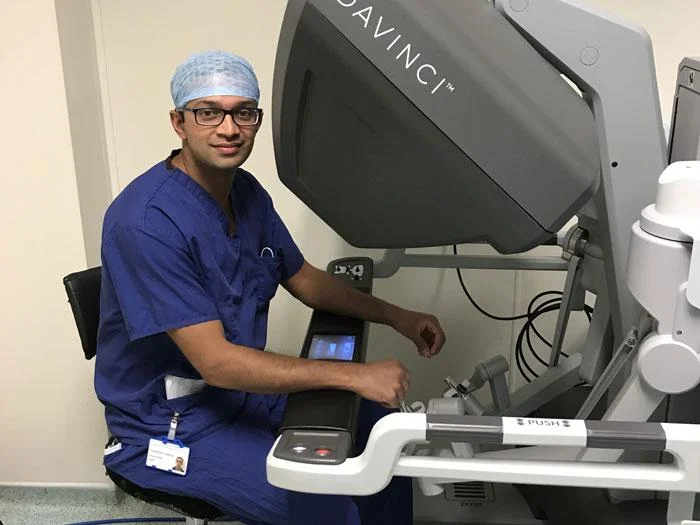
Gastrointestinal (GI) conditions can affect the digestive system, including the stomach, intestines, colon, rectum, and anus. These conditions range from common digestive disorders and intestinal infections to complex problems such as colorectal cancer, inflammatory bowel disease, and peritoneal malignancies. Consulting the Best GI surgeon in Mumbai can help ensure timely diagnosis and appropriate surgical treatment, which are essential for managing these conditions and improving patients’ quality of life.
If you are searching for the Best GI surgeon in Mumbai, Dr. Chintamani Godbole at Gadre Hospital, Dadar East, offers specialised gastrointestinal and colorectal surgical care. He has expertise in robotic and laparoscopic colorectal surgery, colorectal cancer treatment, cytoreductive surgery, and Hyperthermic Intraperitoneal Chemotherapy (HIPEC). His approach focuses on accurate diagnosis, individualised treatment planning, and advanced surgical techniques.
Why Consult the Best GI Surgeon in Mumbai?
A gastrointestinal surgeon specialises in diagnosing and surgically treating conditions affecting the digestive tract and associated abdominal organs. Depending on the diagnosis, treatment may involve conventional surgery, minimally invasive procedures, or advanced cancer surgery.
Consulting a specialist is important when digestive symptoms persist, worsen, or require surgical evaluation.
Some common reasons to seek gastrointestinal surgical consultation include:
- Persistent Abdominal Pain: Repeated abdominal discomfort may be associated with intestinal obstruction, inflammation, or other gastrointestinal conditions.
- Changes in Bowel Habits: Persistent constipation, diarrhoea, or changes in stool consistency may require further investigation.
- Blood in Stools: Rectal bleeding can occur due to haemorrhoids, anal fissures, inflammatory bowel disease, or colorectal cancer.
- Colorectal Cancer: Cancer affecting the colon or rectum may require surgical removal of the affected bowel segment.
- Inflammatory Bowel Disease: Crohn’s disease and ulcerative colitis can cause chronic intestinal inflammation and may require surgery in selected cases.
- Anal Fistula and Fissures: These conditions can cause pain, swelling, discharge, and discomfort during bowel movements.
- Peritoneal Malignancies: Cancer involving the lining of the abdominal cavity may require specialised surgical treatment.
Early medical assessment helps identify the underlying condition and determine whether medication, monitoring, or surgery is appropriate.
Common Gastrointestinal Conditions Treated
Dr. Chintamani Godbole specialises in colorectal surgery and peritoneal surface oncology. His expertise includes managing several complex gastrointestinal conditions.
1. Colorectal Cancer
Colorectal cancer develops in the colon or rectum and may cause changes in bowel habits, blood in stools, unexplained weight loss, abdominal discomfort, or anaemia.
Treatment depends on the cancer’s location, stage, and the patient’s overall health. Surgery may involve removing the affected bowel segment along with nearby lymph nodes and surrounding tissues when necessary.
2. Crohn’s Disease and Ulcerative Colitis
Crohn’s disease and ulcerative colitis are chronic inflammatory bowel diseases that affect the digestive tract.
Symptoms may include abdominal pain, diarrhoea, rectal bleeding, fatigue, and weight loss. Although many patients respond to medication, surgery may be necessary when complications develop or medical treatment is insufficient.
3. Anal Fistula
An anal fistula is an abnormal tunnel connecting the inside of the anal canal to the skin around the anus. It may develop following an infection or abscess.
Common symptoms include persistent discharge, swelling, irritation, and pain. Surgical treatment depends on the fistula’s location and complexity, with the aim of treating the tract while preserving normal sphincter function.
4. Peritoneal Surface Malignancies
Peritoneal malignancies affect the peritoneum, the thin tissue lining the abdominal cavity and covering abdominal organs.
Certain cancers may spread to this lining, resulting in abdominal swelling, discomfort, and digestive symptoms. Selected patients may benefit from cytoreductive surgery combined with HIPEC.
5. Rectal Cancer
Rectal cancer develops in the final portion of the large intestine. Treatment may involve surgery, chemotherapy, or radiotherapy depending on the stage and location of the tumour.
Dr. Chintamani Godbole has specialised training in sphincter-preserving procedures, which may help eligible patients avoid a permanent colostomy.
Advanced Gastrointestinal Surgical Treatments
The choice of surgical procedure depends on the patient’s condition, disease stage, previous treatment, and overall health. Dr. Chintamani Godbole has specialised training in advanced gastrointestinal and colorectal surgical procedures.
1. Robotic Colorectal Surgery
Robotic surgery is a minimally invasive technique that uses specialised instruments and a robotic surgical platform to assist the surgeon in performing complex procedures. It may be used for selected colon and rectal cancers and other colorectal conditions.
Potential benefits in suitable patients include smaller incisions, reduced surgical trauma, and a faster recovery compared with traditional open surgery.
2. Laparoscopic Colorectal Surgery
Laparoscopic surgery involves making small abdominal incisions through which a camera and specialised instruments are introduced. It can be used to treat selected colorectal conditions, including certain cancers and inflammatory bowel diseases.
The technique may help reduce post-operative discomfort and shorten hospital stays in suitable patients.
3. Cytoreductive Surgery and HIPEC
Cytoreductive surgery involves removing visible cancer deposits from the abdominal cavity. It may be combined with HIPEC, a procedure in which heated chemotherapy is circulated within the abdominal cavity to target remaining microscopic cancer cells.
This specialised treatment may be considered for selected patients with peritoneal surface malignancies. Eligibility depends on cancer type, disease extent, and overall health.
4. Sphincter-Preserving Rectal Cancer Surgery
Certain rectal cancer procedures can preserve the anal sphincter and help eligible patients maintain normal bowel function. The suitability of these techniques depends on tumour location, disease stage, and the patient’s anatomy.
5. Surgery for Crohn’s Disease and Ulcerative Colitis
Surgery may be recommended for patients with inflammatory bowel disease who develop complications such as intestinal obstruction, perforation, severe bleeding, or disease that does not respond adequately to medication.
The surgical approach is selected according to the affected bowel segment and the patient’s medical condition.
Why Choose Dr. Chintamani Godbole for Gastrointestinal Surgery?
Choosing a gastrointestinal surgeon requires careful consideration of qualifications, specialised training, surgical experience, and hospital facilities. Patients looking for the Best GI surgeon in Mumbai can consult Dr. Chintamani Godbole at Gadre Hospital, Dadar East.
Qualifications and Educational Background
Dr. Chintamani Godbole is a Consultant in Colorectal Surgery and Peritoneal Surface Oncology. His academic qualifications include:
- MBBS from Maharashtra University of Health Sciences.
- MS in General Surgery from Seth G. S. Medical College and KEM Hospital, Mumbai.
- DNB in Surgical Gastroenterology from Jaslok Hospital and Research Centre, Mumbai.
- MRCS from the Royal College of Surgeons of Edinburgh, UK.
- FRCS (Edinburgh), UK.
He has also completed specialised international fellowship training in robotic colorectal surgery in Coventry, UK, and colorectal and peritoneal oncology at Basingstoke, UK.
His international training has provided exposure to advanced minimally invasive colorectal procedures and complex cancer surgery.
Clinical Experience and Surgical Expertise
Dr. Chintamani Godbole has over 10 years of specialised experience in colorectal surgery and gastrointestinal surgical care. He spent approximately five years in the United Kingdom, where he received advanced training in minimally invasive colorectal surgery, colorectal cancer surgery, and peritoneal cytoreductive surgery.
His clinical experience includes:
- More than 200 minimally invasive colorectal surgeries.
- More than 50 cytoreductive surgeries and HIPEC procedures.
- Robotic and laparoscopic colon and rectal cancer surgery.
- Sphincter-preserving rectal cancer procedures.
- Surgery for Crohn’s disease and ulcerative colitis.
- Treatment of complex fistula-in-ano and pelvic floor conditions.
He has also worked as a locum General and Colorectal Surgical Consultant at University Hospitals Coventry, UK. His professional involvement includes research projects and publications in peer-reviewed medical journals.
Hospital Environment and Facilities at Gadre Hospital
Gadre Hospital, located near Hindmata Cinema in Dadar East, Mumbai, provides a convenient location for patients seeking gastrointestinal and colorectal surgical consultations.
Patients consulting Dr. Chintamani Godbole can discuss their diagnosis, investigations, surgical requirements, and treatment options at the hospital. His practice also involves working across multiple established hospitals in Mumbai, including Jaslok Hospital, Sir H. N. Reliance Foundation Hospital, and Breach Candy Hospital.
The choice of hospital for surgery depends on the procedure, clinical requirements, and individual treatment plan. Patients should confirm the relevant surgical facilities and admission arrangements during consultation.
Expertise in Colorectal Surgery and Cancer Treatment
Dr. Chintamani Godbole has a special interest in colorectal surgery and peritoneal surface oncology. His expertise covers robotic and laparoscopic procedures, colorectal cancer surgery, cytoreductive surgery, and HIPEC.
His treatment approach involves evaluating each patient’s condition and discussing suitable options. For complex cancers, treatment planning may involve collaboration with medical oncologists, radiologists, pathologists, and other specialists.
Patients searching for a Colorectal Surgeon in Mumbai can consult him for both cancer-related and non-cancerous colorectal conditions.
When Should You Consult a GI Surgeon?
Digestive symptoms should not be ignored when they persist or become severe. Early consultation can help identify conditions requiring specialised treatment.
Consider seeking medical advice if you experience:
- Blood in stools or persistent rectal bleeding.
- Recurrent abdominal pain or swelling.
- Unexplained weight loss.
- Persistent changes in bowel habits.
- Difficulty passing stools or intestinal obstruction symptoms.
- Recurrent anal abscesses or fistula discharge.
- Ongoing symptoms of Crohn’s disease or ulcerative colitis.
- A diagnosis of colon, rectal, or peritoneal cancer.
Severe abdominal pain, persistent vomiting, significant bleeding, or inability to pass stools or gas requires urgent medical evaluation.
Colorectal Surgery in Mumbai at Gadre Hospital
Patients looking for Colorectal Surgery in Mumbai can consult Dr. Chintamani Godbole for specialised evaluation and treatment planning.
His practice focuses on colorectal cancer, inflammatory bowel disease, peritoneal malignancies, complex fistulas, and minimally invasive colorectal procedures. His international training and experience in advanced surgical techniques support the management of complex gastrointestinal conditions.
Whether you require an assessment for persistent digestive symptoms, colorectal cancer surgery, or a second opinion regarding an advanced surgical procedure, a specialist consultation can help clarify your treatment options.
Frequently Asked Questions
1. What conditions does a gastrointestinal surgeon treat?
A gastrointestinal surgeon treats conditions affecting the digestive tract, including colorectal cancer, Crohn’s disease, ulcerative colitis, anal fistulas, rectal prolapse, and peritoneal malignancies. Treatment may involve minimally invasive or conventional surgery depending on the diagnosis.
2. Does Dr. Chintamani Godbole perform robotic colorectal surgery?
Yes. Dr. Chintamani Godbole has specialised fellowship training in robotic colorectal surgery in the UK. He performs robotic and laparoscopic procedures for selected colon and rectal conditions.
3. What is HIPEC treatment, and when is it recommended?
HIPEC stands for Hyperthermic Intraperitoneal Chemotherapy. It involves circulating heated chemotherapy within the abdominal cavity after cytoreductive surgery. It may be recommended for selected patients with cancers involving the peritoneal surface.
4. Where can I consult Dr. Chintamani Godbole in Mumbai?
Dr. Chintamani Godbole consults at Gadre Hospital, near Hindmata Cinema, Dadar East, Mumbai. Patients can contact his clinic to confirm appointment availability and consultation timings.
Book an Appointment with Dr. Chintamani Godbole
Choosing an experienced gastrointestinal surgeon is important when dealing with complex digestive conditions and colorectal diseases. If you are searching for the Best GI surgeon in Mumbai, Dr. Chintamani Godbole offers specialised consultations and surgical treatment for colorectal and gastrointestinal conditions.
His qualifications, international fellowship training, and experience in robotic and laparoscopic surgery, colorectal cancer treatment, and HIPEC support his specialised surgical practice.
Whether you need an initial consultation, a second opinion, or treatment planning for a complex gastrointestinal condition, consult Dr. Chintamani Godbole at Gadre Hospital.
+91 8108791470 | +91 8451865944 (In case of emergency)
drchintamanigodbole@gmail.com
Get Directions to the Clinic – Gadre Hospital, Mumbai
Schedule your consultation with Dr. Chintamani Godbole to discuss your gastrointestinal health concerns and understand the available treatment options.