
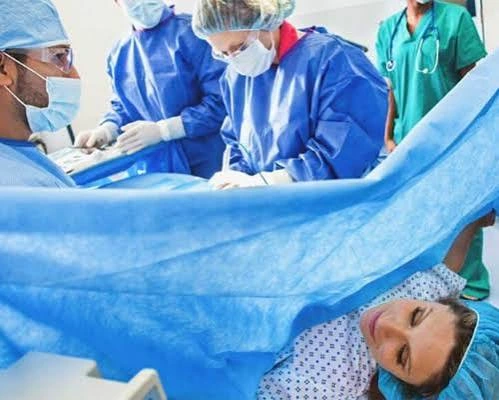
A Caesarean section is an important surgical procedure that helps ensure the safe delivery of a baby when vaginal delivery may pose risks to the mother or child. For women seeking Caesarean section in Borivali, choosing experienced obstetric care is essential. Although normal delivery is encouraged whenever medically possible, certain pregnancy-related complications may make a C-section the safest option. Proper antenatal monitoring, timely medical decisions, experienced obstetric care, and appropriate post-operative support are essential for a positive childbirth experience.
For expectant mothers looking for Caesarean section in Borivali, Dr. Deepika Doshi at Dhanvantari Hospital provides maternity care, including pregnancy monitoring, high-risk pregnancy management, planned and emergency Caesarean deliveries, and postnatal support. Her approach focuses on individual pregnancy needs and prioritising the health of both mother and baby.
What Is a Caesarean Section?
A Caesarean section, commonly called a C-section, is a surgical method of delivering a baby through incisions made in the mother’s abdomen and uterus. It may be planned before labour begins or performed as an emergency procedure when unexpected complications develop.
Modern Caesarean procedures use established surgical techniques, anaesthesia, infection-control measures, and post-operative monitoring. The mother generally remains awake under spinal or epidural anaesthesia, without feeling pain during the surgery.
A Caesarean delivery is recommended when the medical benefits outweigh the potential risks of vaginal birth. Women considering Caesarean section in Borivali should consult an experienced obstetrician. The decision is made after evaluating the mother’s health, the baby’s position, pregnancy progress, and other relevant medical factors.
When Is a Caesarean Section Required?
A Caesarean delivery may be recommended when continuing with vaginal delivery could create complications. Some common medical indications include:
- Previous C-section: Women with multiple previous Caesarean deliveries or certain uterine scars may require a repeat procedure.
- Breech presentation: When the baby is positioned feet-first or bottom-first and cannot be safely turned.
- Placenta previa: When the placenta covers the cervix, making vaginal delivery unsafe.
- Foetal distress: When monitoring indicates that the baby may not be receiving sufficient oxygen.
- Prolonged or obstructed labour: When labour does not progress despite adequate contractions.
- Multiple pregnancy: Certain twin or multiple pregnancies may require surgical delivery.
- Maternal health conditions: Severe pre-eclampsia, uncontrolled hypertension, or other complications may make a C-section necessary.
- Transverse lie: When the baby is positioned sideways inside the uterus.
The decision depends on the mother’s medical history, pregnancy progress, baby’s position, and overall health. Dr. Deepika Doshi evaluates these factors before recommending the most appropriate delivery method.
Planned and Emergency Caesarean Delivery
There are two main types of Caesarean deliveries: planned and emergency procedures.
Planned Caesarean Section
A planned C-section is scheduled before labour begins when medical evaluation indicates that vaginal delivery may not be the safest option. It allows the mother and family to prepare for the procedure and understand the expected recovery process.
Common reasons include breech presentation, placenta previa, certain previous uterine surgeries, and specific complications associated with multiple pregnancies.
Emergency Caesarean Section
An emergency C-section may become necessary when unexpected complications arise during labour. These can include an abnormal foetal heartbeat, failure of labour to progress, umbilical cord prolapse, heavy bleeding, or concerns about the mother’s health.
In such situations, timely surgical intervention can help prevent serious complications and protect both mother and baby.
How Is a Caesarean Section Performed?
Understanding the surgical process can help expectant mothers feel more prepared and confident.
The procedure generally involves the following steps:
- Pre-operative assessment: The medical team reviews the mother’s medical history, blood reports, pregnancy details, and overall health.
- Anaesthesia: Spinal or epidural anaesthesia is generally administered to prevent pain during surgery.
- Surgical preparation: The abdomen is cleaned and prepared using sterile techniques.
- Incision: A carefully planned incision is made in the lower abdomen, followed by an incision in the uterus.
- Baby’s delivery: The baby is gently delivered, and the umbilical cord is clamped and cut.
- Placental removal: The placenta is removed after delivery.
- Surgical closure: The uterus and abdominal layers are carefully stitched.
The baby’s condition is assessed immediately after birth. When medically possible, early skin-to-skin contact and breastfeeding are encouraged.
Preparing for a Caesarean Delivery
Proper preparation can make the surgical experience more comfortable and organised. If a planned C-section is recommended, the doctor will provide instructions according to the mother’s health and pregnancy stage.
Important preparations include:
- Completing prescribed blood tests and medical investigations.
- Attending regular antenatal appointments.
- Monitoring blood pressure and blood sugar levels.
- Discussing existing medications with the doctor.
- Consulting the anaesthetist before surgery.
- Following instructions regarding fasting.
- Keeping medical records and hospital documents ready.
- Packing essential clothing and newborn supplies.
Emotional preparation is equally important. Mothers should discuss their concerns, understand the procedure, and clarify any doubts with their obstetrician.
Recovery and Aftercare Following a C-Section
Recovery after a Caesarean delivery involves healing from abdominal surgery. The duration varies depending on the mother’s health, the type of procedure, and whether complications occur.
Most women remain in the hospital for a few days, depending on their recovery and medical condition.
Some important recovery recommendations include:
- Begin gentle walking when advised by the medical team.
- Take prescribed medications as directed.
- Keep the surgical wound clean and dry.
- Eat nutritious meals containing adequate protein, vitamins, and minerals.
- Drink sufficient water.
- Avoid lifting heavy objects for several weeks.
- Get adequate rest and seek help with household activities.
- Attend scheduled postnatal consultations.
Complete healing generally takes around six weeks, although individual recovery times differ.
When should you contact your doctor?
Seek medical attention if you experience fever, increasing abdominal pain, excessive vaginal bleeding, redness or discharge around the incision, or swelling and pain in the legs. Chest pain or sudden breathing difficulty requires emergency medical attention.
Breastfeeding After a Caesarean Section
A Caesarean delivery does not prevent a mother from breastfeeding. Most women can begin breastfeeding once they are medically stable after surgery.
The nursing team can help mothers find comfortable feeding positions that minimise pressure on the abdominal incision. These may include the football hold or side-lying position.
Early skin-to-skin contact, when possible, supports bonding and breastfeeding. Mothers who experience difficulty with positioning or feeding can seek assistance from their healthcare team.
Possible Risks and Complications of a Caesarean Section
Although Caesarean delivery is a commonly performed procedure, it is major abdominal surgery and carries certain risks.
Potential complications for the mother include:
- Wound or uterine infection.
- Excessive bleeding.
- Blood clot formation.
- Anaesthesia-related complications.
- Injury to nearby organs, although uncommon.
- Longer recovery compared with uncomplicated vaginal delivery.
Possible risks for the newborn include temporary breathing difficulties and, occasionally, the need for additional observation or neonatal care.
Discussing these risks with an obstetrician helps parents understand the procedure and make informed decisions.
Why Choose Dr. Deepika Doshi for Caesarean Section in Borivali?
Choosing an experienced obstetrician and a suitable maternity hospital is an important part of pregnancy planning. Women seeking Caesarean section in Borivali can consult Dr. Deepika Doshi at Dhanvantari Hospital for pregnancy evaluation, delivery planning, and postnatal care.
Qualifications and Clinical Experience of Dr. Deepika Doshi
Dr. Deepika Doshi is an Obstetrician and Gynaecologist with the following qualifications:
- MBBS
- MS in Obstetrics and Gynaecology
- Gold Medalist
Her academic achievements include scholarships and distinctions. She has also received specialised training in ultrasonography (USG) from Wadia Hospital, Mumbai.
Her clinical practice covers antenatal care, normal delivery, high-risk pregnancy management, Caesarean delivery, infertility, and laparoscopic gynaecological surgery. She focuses on assessing individual pregnancy needs and recommending appropriate treatment and delivery options.
Hospital Environment and Facilities
Established in 1999, Dhanvantari Hospital is part of the KK Hospital group. The hospital was upgraded in 2019 with the objective of strengthening its maternity and surgical healthcare facilities.
Its environment combines a patient-focused approach with modern medical infrastructure. The hospital has dedicated doctors, trained nursing professionals, paramedical staff, and technical personnel. It also provides 24-hour emergency services in obstetrics and gynaecology, among other specialities.
Facilities and services relevant to maternity care include:
- Modern operation theatres.
- Anaesthesia services.
- Foetal monitoring.
- High-risk pregnancy management.
- Neonatal care support.
- Emergency maternity services.
- Postnatal care and monitoring.
The hospital emphasises accessible healthcare without unnecessary expenditure on elaborate interiors, while maintaining its focus on medical facilities and patient care.
Expertise in Maternity and Gynaecological Care
Dr. Deepika Doshi provides comprehensive maternity services, including pregnancy monitoring, high-risk pregnancy care, normal delivery, and planned or emergency Caesarean procedures.
Dhanvantari Hospital also offers antenatal care, infertility evaluation, uterine fibroid treatment, and laparoscopic hysterectomy.
As a Maternity & Gynecology surgery centre in Borivali, the hospital aims to support women through different stages of reproductive health, from pregnancy and childbirth to the management of gynaecological conditions.
For women searching for the Best Maternity, Gynecology, Laparoscopy Surgery Hospital in Borivali, Dhanvantari Hospital offers a combination of experienced specialists, maternity facilities, surgical services, and accessible healthcare.
Frequently Asked Questions
1. Is a Caesarean section safer than normal delivery?
Neither delivery method is universally safer. The safest option depends on the mother’s health, baby’s condition, and pregnancy complications. A Caesarean section is recommended when it offers better protection for the mother and baby.
2. How long does it take to recover after a C-section?
Most women require approximately six weeks for initial recovery. However, complete healing and return to normal activities may take longer. Following medical instructions and attending follow-up appointments are important.
3. Can I have a normal delivery after a previous Caesarean section?
Yes, some women may be suitable candidates for Vaginal Birth After Caesarean (VBAC). Eligibility depends on the previous uterine incision, pregnancy history, current health, and availability of emergency obstetric facilities.
4. When is a planned Caesarean section usually performed?
When there are no medical reasons for earlier delivery, a planned Caesarean is generally scheduled at or after 39 weeks of pregnancy. The timing may vary depending on maternal and foetal health.
Book a Consultation with Dr. Deepika Doshi
Pregnancy and childbirth require careful monitoring, timely medical decisions, and personalised care. If you are considering Caesarean section in Borivali, consulting an experienced obstetrician can help you understand your delivery options and prepare for a safe childbirth experience.
Dr. Deepika Doshi at Dhanvantari Hospital provides comprehensive maternity services, including pregnancy monitoring, high-risk pregnancy management, Caesarean delivery, and postnatal care. The hospital focuses on supporting mothers throughout their pregnancy journey.
Contact Dhanvantari Hospital:
022 28338378 | +91 9324263464
info@dhanvantarihospitals.com
Get Directions to the Clinic – Dhanvantari Hospital