
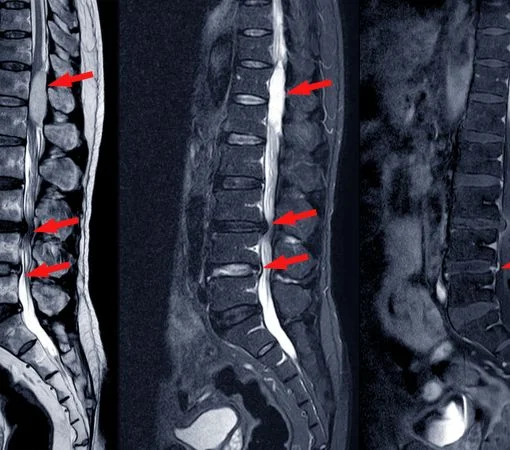
Lumbar spinal stenosis is a common spinal condition that occurs when the spinal canal in the lower back becomes narrower, putting pressure on the nerves. This condition can cause persistent lower back pain, numbness, tingling, muscle weakness and difficulty walking. It is commonly associated with age-related degeneration but can also develop due to disc problems, thickened ligaments, injuries or other spinal abnormalities. Seeking Lumbar spine stenosis treatment in Mumbai at an early stage can help identify the underlying cause, relieve nerve compression and improve mobility through appropriate medical care.
Early diagnosis and appropriate treatment are essential to prevent symptoms from affecting everyday activities and mobility. Depending on the severity of nerve compression, treatment may include medications, physiotherapy, epidural injections or surgical intervention. Choosing an experienced spine care team is important for accurate diagnosis and personalised treatment planning.
At Synapse Spine, patients receive specialised evaluation and treatment for various spinal disorders. With experienced orthopaedic spine surgeons and neurosurgeons, modern diagnostic approaches and patient-focused care, the centre aims to help individuals manage spinal conditions and improve their quality of life.
What Is Lumbar Spinal Stenosis?
Lumbar spinal stenosis refers to the narrowing of the spinal canal in the lower back, which creates pressure on the spinal nerves. The spinal canal normally provides sufficient space for the nerves that travel through the spine. However, when surrounding bones, discs or ligaments become enlarged or thickened, the available space may decrease.
This compression can cause discomfort in the lower back and symptoms that extend into the buttocks, thighs, legs and feet. Symptoms may become more noticeable while standing or walking and often improve when sitting or bending forward.
The primary objective of Lumbar spine stenosis treatment in Mumbai is to relieve nerve compression, manage pain, improve mobility and help patients return to their regular activities.
What Are the Causes of Lumbar Spinal Stenosis?
Several factors can contribute to the development of lumbar spinal stenosis. Common causes include:
- Age-related degeneration: Natural ageing can cause changes in spinal discs, joints and ligaments, gradually reducing the available space within the spinal canal.
- Herniated discs: When the soft inner material of a spinal disc protrudes outward, it can compress nearby nerves.
- Thickened ligaments: Spinal ligaments may become thicker over time, contributing to narrowing of the spinal canal.
- Bone spurs: Degenerative changes in the vertebrae can result in additional bone growth that puts pressure on spinal nerves.
- Congenital spinal stenosis: Some individuals are born with a naturally narrow spinal canal, increasing their susceptibility to nerve compression.
- Spinal injuries: Previous trauma or fractures may alter spinal structures and contribute to narrowing.
- Tumours: Abnormal growths within or around the spinal canal can occasionally cause nerve compression.
Identifying the underlying cause helps specialists determine the most appropriate treatment approach.
What Are the Common Symptoms of Lumbar Spinal Stenosis?
Symptoms may develop gradually and vary depending on the location and severity of nerve compression. Some individuals experience mild discomfort, while others may have significant mobility limitations.
Common symptoms include:
- Persistent lower back pain.
- Pain radiating into the buttocks and legs.
- Numbness or tingling in the lower limbs.
- Muscle weakness in the legs or feet.
- Difficulty standing or walking for extended periods.
- Balance problems and changes in walking patterns.
- Sciatica-like pain travelling along the sciatic nerve.
- Foot drop in some advanced cases.
A characteristic symptom is neurogenic claudication, which causes pain, heaviness or weakness in the legs while walking or standing. Sitting or leaning forward may provide relief.
New or worsening leg weakness, numbness around the groin or saddle area, or difficulty controlling bladder or bowel function requires immediate medical evaluation because these may indicate serious nerve compression.
How Is Lumbar Spinal Stenosis Diagnosed?
An accurate diagnosis is important for identifying the affected spinal levels and understanding the extent of nerve compression.
At Synapse Spine, specialists may recommend the following investigations depending on the patient’s symptoms and medical history:
1. Physical and Neurological Examination
The doctor evaluates spinal movement, muscle strength, reflexes, sensation, walking ability and pain patterns to identify possible nerve involvement.
2. X-rays
X-rays help assess spinal alignment, bone structure, degenerative changes and possible instability in the lumbar spine.
3. MRI Scan
Magnetic Resonance Imaging provides detailed images of spinal discs, ligaments, nerve roots and other soft tissues. It helps identify spinal canal narrowing and the extent of nerve compression.
4. CT Scan
A CT scan provides detailed images of the bones and spinal canal, helping specialists evaluate bone spurs and other structural abnormalities.
5. Myelogram
In selected cases, a myelogram may be recommended to examine the spinal canal and identify areas of nerve compression, particularly when MRI cannot be performed.
The investigation plan depends on individual clinical requirements.
Lumbar spine stenosis treatment in Mumbai: Available Treatment Options
Treatment depends on the severity of symptoms, the extent of nerve compression, the patient’s age, general health and response to previous treatments. The objective is to reduce discomfort, improve nerve function and restore mobility wherever possible.
1. Medication Management
For mild to moderate symptoms, doctors may recommend medications to manage pain and inflammation. These may include anti-inflammatory medicines, analgesics and other prescribed medications depending on the patient’s condition.
Medication should always be taken under medical supervision, particularly in older adults or individuals with existing health conditions.
2. Physiotherapy and Rehabilitation
Physiotherapy plays an important role in managing lumbar spinal stenosis. A personalised rehabilitation programme may include:
- Exercises to strengthen the abdominal and back muscles.
- Gentle stretching to improve flexibility.
- Posture correction and movement training.
- Exercises to improve balance and stability.
- Walking and activity modification.
A physiotherapist can recommend suitable exercises based on the patient’s symptoms and physical capabilities.
3. Epidural Steroid Injections
Epidural injections involve delivering anti-inflammatory medication into the space surrounding the spinal nerves. They may help reduce inflammation and provide temporary relief from radiating leg pain in selected patients.
The duration of relief varies, and injections do not reverse the underlying narrowing of the spinal canal.
4. Minimally Invasive Spine Surgery
When conservative treatment does not provide sufficient relief, minimally invasive procedures may be considered. These techniques use smaller incisions and specialised instruments to access the affected spinal structures.
Depending on the condition, minimally invasive surgery may help reduce tissue disruption, postoperative discomfort and recovery time compared with conventional open procedures.
5. Surgical Treatment
Surgery may be recommended when nerve compression causes persistent symptoms, significant weakness or difficulty performing everyday activities despite appropriate non-surgical treatment.
Common surgical procedures include:
Laminectomy: This procedure removes part of the vertebral bone called the lamina to create additional space within the spinal canal and relieve pressure on the nerves.
Discectomy: When a herniated disc contributes to nerve compression, the protruding portion of the disc may be removed.
Foraminotomy: This procedure enlarges the openings through which spinal nerves exit the spinal canal, reducing pressure on the affected nerves.
Spinal Fusion: When spinal instability is present, fusion may be performed to stabilise the affected vertebrae. It involves joining two or more vertebrae using bone grafts and appropriate fixation devices.
Decompression Surgery: The procedure aims to remove or reduce the structures compressing the nerves and restore adequate space within the spinal canal.
Not every patient requires surgery. The treating surgeon determines the most suitable procedure after reviewing clinical findings and imaging results.
Why Choose Synapse Spine for Lumbar Spine Stenosis Treatment in Mumbai?
Selecting an experienced spine care centre is an important step towards receiving appropriate treatment for spinal disorders. Synapse Spine focuses on comprehensive evaluation, evidence-based treatment and personalised care for patients with different spinal conditions.
Experienced Spine Surgeons and Medical Qualifications
Synapse Spine has a team of orthopaedic spine surgeons and neurosurgeons with specialised training in managing complex spinal disorders.
Some of the doctors associated with the centre include:
- Dr. Nandan Marathe: An orthopaedic spine surgeon with MBBS, MS Orthopaedics and MRCS (Edinburgh). He has completed advanced fellowship training in complex spine surgery and spinal deformity at the University of Toronto, along with specialised training in spinal tumours and minimally invasive spine surgery. His expertise includes degenerative spinal conditions, spinal deformities and complex spine procedures.
- Dr. Aditya Raj: An orthopaedic spine surgeon trained at Seth GS Medical College and KEM Hospital, Mumbai. He has completed fellowships in complex spine surgery at the University of Toronto and advanced spine training in South Korea and Ahmedabad. His clinical interests include spinal deformities, tumours, infections and minimally invasive spine procedures.
- Dr. Anuj Bhide: A brain and spine surgeon with MBBS, MS General Surgery and MCh Neurosurgery qualifications. He is a Gold Medalist from Grant Medical College and JJ Hospitals, Mumbai, and has completed specialised fellowship training in skull base and vascular surgery at Fujita Health University, Japan. His expertise includes minimally invasive brain and spine surgeries.
The team’s varied orthopaedic and neurosurgical backgrounds support the evaluation and management of different spinal conditions.
Clinical Experience and Specialised Expertise
The surgeons at Synapse Spine have experience in managing degenerative spine conditions, slipped discs, sciatica, spinal stenosis, spinal deformities, spinal tumours and other complex disorders.
Their areas of expertise include minimally invasive spine surgery, endoscopic procedures, spinal decompression, spinal fusion and deformity correction. Treatment recommendations are based on individual diagnosis, symptoms and functional requirements.
Modern Clinic Environment and Patient-Focused Care
Synapse Spine provides access to spine specialists through multiple clinic locations across Mumbai and surrounding areas, including Bandra, Andheri, Borivali, Chembur, Vile Parle and Mira Road.
The centre emphasises patient-focused consultations, appropriate diagnostic assessment and personalised treatment planning. Patients can discuss their symptoms, understand available treatment options and receive guidance regarding rehabilitation and recovery.
Its approach combines specialised medical expertise with modern spine treatment techniques to support patients throughout their care journey.
Choosing Lumbar spine stenosis treatment in Mumbai at a specialised spine care centre can help patients understand their condition and explore appropriate treatment options based on their individual needs.
Tips to Manage Lumbar Spinal Stenosis
Along with medical treatment, certain lifestyle adjustments may help manage symptoms and maintain mobility.
- Maintain a healthy body weight to reduce unnecessary stress on the spine.
- Follow a doctor-approved exercise and physiotherapy programme.
- Avoid prolonged standing if it increases leg pain or discomfort.
- Use appropriate posture while sitting, standing and lifting objects.
- Avoid heavy lifting and activities that aggravate symptoms.
- Attend scheduled follow-up consultations to monitor progress.
- Take prescribed medications as directed by the treating doctor.
Patients should avoid starting strenuous exercises or spinal manipulation without professional guidance.
When Should You Consult a Spine Specialist?
Persistent lower back pain, radiating leg pain, numbness, tingling or difficulty walking should not be ignored. If symptoms continue despite initial treatment or gradually interfere with daily activities, consulting a qualified spine surgeon is advisable.
A Top Spine Specialist in Mumbai, India can assess the underlying cause, recommend appropriate investigations and explain available treatment options.
Patients looking for a Spine specialist Doctor in Mumbai can consult the experienced team at Synapse Spine for a comprehensive evaluation and an individualised treatment plan.
Frequently Asked Questions
1. What is the best treatment for lumbar spinal stenosis?
Treatment depends on the severity of nerve compression. Mild cases may respond to medications, physiotherapy and lifestyle modifications. More severe cases may require epidural injections or surgical decompression.
2. Is surgery always necessary for lumbar spinal stenosis?
No. Many patients can manage their symptoms with non-surgical treatments. Surgery is generally considered when symptoms persist despite conservative treatment or when significant neurological problems develop.
3. How long does recovery take after lumbar spinal stenosis surgery?
Recovery depends on the type of procedure, the patient’s general health and the severity of the condition. Some patients resume light activities within a few weeks, while more complex procedures may require several months of rehabilitation.
4. When should I consult a spine specialist for lumbar spinal stenosis?
Consult a spine specialist if you experience persistent lower back pain, leg numbness, tingling, muscle weakness or difficulty walking. Sudden bladder or bowel dysfunction or numbness around the groin requires emergency medical attention.
Book Your Consultation at Synapse Spine
If you are experiencing persistent back pain, leg weakness or difficulty walking, seek professional medical advice. For personalised Lumbar spine stenosis treatment in Mumbai, consult the experienced spine care team at Synapse Spine.
Contact Synapse Spine:
+91 81698 45056 | +91 93726 71858 | +91 93211 24611
synapsespine@gmail.com
Get Directions to the Clinic – Synapse Spine, Mumbai
Book your consultation today and take the first step towards better spinal health.