
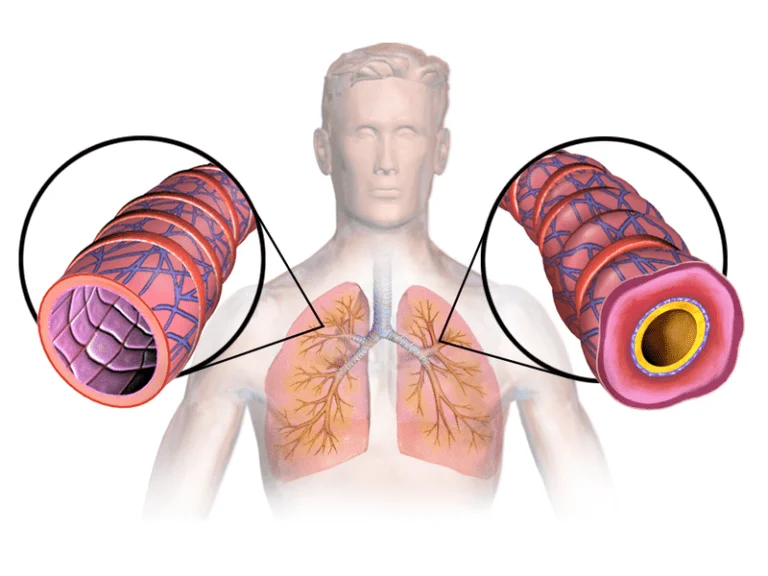
Asthma is a chronic respiratory condition that affects the airways, making breathing difficult during flare-ups. Symptoms such as wheezing, persistent coughing, chest tightness, and shortness of breath can interfere with sleep, exercise, work, and everyday activities. With the right diagnosis, appropriate medication, and regular monitoring, many people with asthma can manage their symptoms and lead active lives.
Dr. Parthiv Shah, a consultant chest physician at Sparsh Super Speciality Lung Clinic in Borivali East, Mumbai, specialises in respiratory conditions, including asthma, allergies, chronic obstructive pulmonary disease (COPD), and pulmonary infections. His clinical experience and specialist training support the assessment and management of patients with breathing difficulties.
If you are searching for an Asthma Specialist in Mumbai, consulting a qualified pulmonologist can help you identify your triggers, understand your treatment options, and develop a personalised asthma management plan.
What Is Asthma?
Asthma is a chronic inflammatory condition in which the airways become sensitive and inflamed. During an asthma episode, the airway lining may swell, the surrounding muscles may tighten, and excess mucus may narrow the passages through which air travels.
These changes can make it difficult to breathe normally. Symptoms may vary over time, and some people experience periods when they feel well between episodes.
Asthma can affect children and adults. Although there is currently no universal cure, appropriate treatment can help control symptoms, reduce flare-ups, and support normal daily activities.
Common Symptoms of Asthma
Asthma symptoms vary from person to person. Some individuals experience occasional symptoms after exercise or exposure to allergens, while others have more persistent breathing difficulties.
Common symptoms include:
- Wheezing or a whistling sound while breathing.
- Repeated coughing, especially at night or early in the morning.
- Chest tightness or discomfort.
- Shortness of breath during physical activity.
- Difficulty sleeping because of coughing or breathing problems.
- Symptoms that worsen after exposure to dust, smoke, pollution, or other triggers.
Symptoms may become more noticeable during respiratory infections, changes in weather, or exposure to allergens.
Severe breathing difficulty, inability to speak in full sentences, blue or grey lips, or symptoms that do not improve with prescribed reliever medication require emergency medical attention.
What Causes Asthma and Triggers an Attack?
The exact cause of asthma is not fully understood. Genetic factors, immune responses, environmental exposures, and allergies may contribute to its development.
Certain factors can trigger symptoms or worsen existing asthma.
1. Dust and Dust Mites
Household dust and dust mites may trigger symptoms in susceptible individuals. Reducing exposure to identified allergens can form part of a management plan.
2. Pollen and Allergies
Pollen, mould, pet dander, and other allergens can provoke airway inflammation in some people with asthma.
3. Air Pollution and Smoke
Vehicle emissions, tobacco smoke, industrial pollutants, and strong fumes may irritate sensitive airways and increase the likelihood of symptoms.
4. Respiratory Infections
Colds and other viral respiratory infections can trigger asthma flare-ups, particularly in people whose symptoms are not well controlled.
5. Exercise and Cold Air
Physical activity and cold, dry air can provoke symptoms in some patients. With appropriate asthma control and medical guidance, many people can continue exercising safely.
6. Occupational Exposures
Certain workplace substances, including cleaning agents, chemical fumes, flour dust, and industrial particles, may trigger or aggravate asthma.
Recognising individual triggers is an important step towards reducing avoidable flare-ups.
How Is Asthma Diagnosed?
An accurate diagnosis helps distinguish asthma from other conditions that can cause coughing, wheezing, or breathlessness.
During a consultation, Dr. Parthiv Shah may review your symptoms, medical history, family history, allergies, smoking exposure, and previous respiratory illnesses. The assessment may include the following investigations, depending on the patient’s needs.
Spirometry and Lung Function Testing
Spirometry measures how much air you can breathe out and how quickly you can do so. The test may be repeated after using a bronchodilator to assess whether airflow improves.
These measurements can help identify variable airflow obstruction associated with asthma.
Peak Expiratory Flow Monitoring
A peak flow meter measures how forcefully a person can breathe out. In selected patients, monitoring readings over time can help identify changes in airflow and possible worsening of asthma.
Allergy Testing
Allergy testing may be considered when an allergic trigger is suspected. Identifying relevant sensitivities can help guide exposure-reduction measures and, where appropriate, additional treatment.
Additional Investigations
Depending on the symptoms and examination findings, the doctor may recommend blood tests, imaging, or other investigations to assess alternative diagnoses or associated conditions. Not every patient requires every test.
Asthma Treatment Options
Asthma treatment aims to control symptoms, maintain lung function, reduce flare-ups, and support daily activities. The treatment plan depends on symptom frequency, severity, risk factors, age, and response to medication.
1. Controller Medication
Inhaled corticosteroids are an important component of treatment for many people with persistent asthma. They reduce inflammation inside the airways and help lower the risk of flare-ups.
Depending on the patient’s needs, the doctor may recommend an inhaler containing a combination of medicines. The choice of treatment should follow an appropriate clinical assessment.
2. Reliever Medication
Some inhalers provide rapid relief from acute symptoms. The specific medicine and frequency of use depend on the prescribed asthma plan.
Needing reliever medication more often than usual may indicate that asthma is not adequately controlled and should prompt a review with your doctor.
3. Correct Inhaler Technique
Using an inhaler incorrectly can prevent medication from reaching the lungs effectively. A pulmonologist or trained healthcare professional can demonstrate the correct technique and check it during follow-up appointments.
Some patients may benefit from a spacer with a compatible metered-dose inhaler.
4. Trigger Management
Avoiding tobacco smoke, managing identified allergies, reducing exposure to irritants, and addressing workplace triggers can support asthma control.
5. Regular Monitoring
Follow-up appointments help assess symptoms, medication use, inhaler technique, and possible side effects. Treatment may be adjusted according to the patient’s response.
Do not stop prescribed controller medication simply because symptoms improve. Discuss any treatment changes with your doctor.
Living Well with Asthma
A diagnosis of asthma does not mean that you must avoid physical activity or give up your usual routine. Good symptom control can help many people participate in exercise, work, school, and other daily activities.
Helpful habits include:
- Following your prescribed asthma action plan.
- Taking medication as directed.
- Learning to recognise early signs of worsening symptoms.
- Attending regular follow-up appointments.
- Avoiding smoking and secondhand smoke.
- Keeping track of symptoms and reliever use.
- Staying physically active within your individual limits.
- Discussing recommended vaccinations with your healthcare professional.
Breathing exercises may help some people manage breathing patterns or anxiety, but they do not replace prescribed asthma medication.
Why Consult Dr. Parthiv Shah at Sparsh Super Speciality Lung Clinic?
Choosing a specialist with relevant respiratory medicine training is important when managing a chronic condition such as asthma.
Dr. Parthiv Shah is a consultant chest physician with qualifications including MBBS, MD in Pulmonary Medicine, DNB in Pulmonary Medicine, a Fellowship in Pulmonary Diseases and Intensive Care, and the European Diploma in Adult Respiratory Medicine.
He completed his fellowship training in pulmonary diseases and intensive care at LTMG Hospital, Sion, Mumbai, in 2016. His clinical experience includes managing asthma, allergies, COPD, multidrug-resistant tuberculosis, pulmonary infections, obstructive sleep apnoea, and other lung diseases.
His professional services include respiratory procedures such as bronchoscopy, thoracoscopy, and pleural tapping, as well as allergy testing and sleep studies.
At Sparsh Super Speciality Lung Clinic in Borivali East, patients can access respiratory consultations and relevant diagnostic services. Assessment and investigation recommendations are guided by symptoms, examination findings, and individual clinical needs.
Patients searching for the Best Pulmonologist in Mumbai should consider qualifications, experience in respiratory medicine, diagnostic capabilities, and the quality of communication when selecting a specialist.
If you are looking for a Chest Physician in Borivali, Dr. Shah can assess your symptoms and discuss suitable options for asthma evaluation and ongoing care.
Schedule Your Consultation Today
If coughing, wheezing, chest tightness, or breathlessness is affecting your daily routine, arrange an assessment with a respiratory specialist. Early evaluation and a personalised treatment plan can help you understand your symptoms and work towards better asthma control.
Consult Dr. Parthiv Shah at SparshSuper Speciality Lung Clinic for asthma evaluation, respiratory testing, and personalised treatment guidance.
Frequently Asked Questions
1. Can asthma be cured permanently?
Asthma is generally a chronic condition, but symptoms can often be controlled effectively with appropriate treatment. Regular monitoring and following the prescribed treatment plan help reduce the risk of flare-ups.
2. Which doctor should I consult for asthma?
A pulmonologist or chest physician specialises in respiratory conditions, including asthma. The specialist can assess your symptoms, arrange appropriate lung function tests, and recommend an individualised treatment plan.
3. Are inhalers safe for long-term asthma management?
Inhalers are a key part of asthma treatment for many patients. Their safety depends on the medicine, dose, and correct use. Follow your doctor’s instructions and discuss any concerns about side effects rather than stopping medication on your own.
4. Can people with asthma exercise normally?
Many people with well-controlled asthma can exercise and participate in sports. If exercise triggers symptoms, your doctor can assess your asthma control and recommend appropriate preventive measures and treatment.