
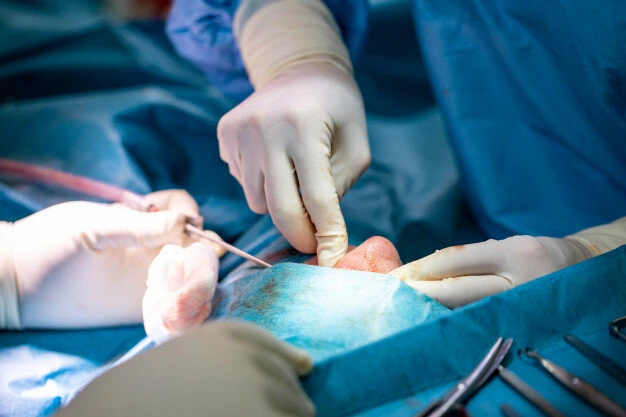
The shape and proportions of the nose play an important role in overall facial harmony. Individuals considering Rhinoplasty in Mumbai may feel that their nose is too broad, has a prominent hump, an asymmetrical tip or does not complement their facial features. Others may experience breathing difficulties due to structural abnormalities. Rhinoplasty, commonly known as nose reshaping surgery, is a specialised procedure that can address both aesthetic and functional nasal concerns while helping improve facial balance.
For individuals considering Rhinoplasty in Mumbai, Dr. Siddharth Prakash at Ambrosia Aesthetics offers personalised cosmetic and reconstructive surgical care. As an internationally trained, board-certified plastic surgeon, he focuses on facial balance, appropriate surgical techniques and natural-looking outcomes. His approach involves understanding each patient’s expectations, evaluating nasal anatomy and developing a treatment plan according to individual requirements.
Why Choose Dr. Siddharth Prakash for Rhinoplasty in Mumbai?
Choosing the right surgeon is one of the most important decisions when considering nose reshaping surgery. Rhinoplasty requires detailed knowledge of facial anatomy, nasal cartilage, bone structure and aesthetic proportions.
Dr. Siddharth Prakash is a board-certified cosmetic and plastic surgeon with extensive national and international surgical training. His qualifications include:
- MBBS from GSMC and KEM Hospital, Mumbai.
- MS in General Surgery from LTMMC and LTMGH, Sion, Mumbai.
- DNB in General Surgery.
- DNB in Plastic Surgery from Sir Ganga Ram Hospital, New Delhi.
- Fellowship in Cosmetic and Craniofacial Surgery at Harvard Medical School and Massachusetts General Hospital, Boston, USA.
- Training in Facial Plastic Surgery at New York University School of Medicine, USA.
- Fellowship in Aesthetic Surgery and Breast and Body Contouring at the Ivo Pitanguy Institute, Rio de Janeiro, Brazil.
- Advanced Rhinoplasty and Aesthetic Surgery certification through ISAPS, Istanbul, Turkey.
His international exposure and specialised training contribute to his expertise in facial aesthetic surgery, rhinoplasty, facelift procedures, body contouring and reconstructive surgery.
With over a decade of experience in cosmetic plastic surgery, Dr. Siddharth has practised at reputed hospitals, including Lilavati Hospital and Jaslok Hospital, and manages his independent practice at Ambrosia Aesthetics in Andheri West.
What Is Rhinoplasty Surgery?
Rhinoplasty is a surgical procedure that modifies the shape, size or structure of the nose. Depending on the patient’s requirements, it may be performed for cosmetic improvement, functional correction or both.
The procedure may involve modifying the nasal bones, cartilage and surrounding soft tissues to achieve the desired outcome.
Some common concerns addressed through rhinoplasty include:
- A prominent nasal hump or bump.
- A broad or disproportionately large nose.
- A drooping or poorly defined nasal tip.
- Wide or asymmetrical nostrils.
- A crooked or uneven nasal structure.
- Nasal deformities resulting from an injury.
- Certain structural problems affecting nasal breathing.
The objective is to create a balanced appearance that complements the patient’s facial features while preserving or improving nasal function wherever possible.
Who Is an Ideal Candidate for Rhinoplasty?
Not everyone requires nose reshaping surgery. A detailed consultation helps determine whether the procedure is appropriate.
You may be considered a suitable candidate if:
- You are unhappy with the size, shape or proportions of your nose.
- You have a prominent nasal hump or an asymmetrical nasal tip.
- You have nasal deformities resulting from an injury or congenital condition.
- You experience certain breathing difficulties caused by structural abnormalities.
- Your facial growth is complete.
- You are in generally good health and do not have medical conditions that make surgery unsuitable.
- You have realistic expectations about the possible results.
Rhinoplasty should be a personal decision made after understanding the benefits, limitations and potential risks of surgery.
Different Types of Rhinoplasty Procedures
The surgical technique depends on nasal anatomy, the extent of correction required and the patient’s goals.
1. Open Rhinoplasty
Open rhinoplasty involves a small incision across the columella, the tissue separating the nostrils. This allows the surgeon to lift the nasal skin and access the underlying bone and cartilage. It may be preferred for complex reshaping and structural corrections.
2. Closed Rhinoplasty
In closed rhinoplasty, the incisions are made inside the nostrils. There is no external incision, and the technique may be suitable for selected nasal corrections.
3. Tip Plasty
Tip plasty focuses on reshaping the nasal tip. It may be considered when the concern is limited to the size, projection or definition of the tip.
4. Reduction Rhinoplasty
This procedure reduces the size or prominence of selected nasal structures, such as a prominent bridge or hump, to improve facial proportions.
5. Revision Rhinoplasty
Revision rhinoplasty is performed to correct or improve the results of a previous nose surgery. It can be more complex because of scar tissue, altered cartilage and changes in the nasal structure.
6. Functional Rhinoplasty
Functional rhinoplasty addresses structural abnormalities that affect nasal breathing. Depending on the diagnosis, procedures such as septoplasty may be combined with rhinoplasty.
How Is Rhinoplasty Surgery Performed?
The surgical process begins with a detailed consultation and examination. Dr. Siddharth Prakash discusses the patient’s expectations, medical history, previous surgeries and desired changes.
The nose and facial proportions are examined, and photographs may be taken from different angles for documentation and surgical planning.
The procedure generally involves the following stages:
- Anaesthesia: Rhinoplasty is commonly performed under general anaesthesia, depending on the surgical plan.
- Incisions: The surgeon makes open or closed incisions according to the selected technique.
- Reshaping: Nasal bone and cartilage are modified or repositioned to achieve the planned structural changes.
- Grafting: Cartilage grafts from the nasal septum, ear or other suitable sources may be used when additional support is required.
- Closure: Incisions are closed, and a nasal splint or dressing may be applied to support healing.
The duration and complexity of surgery vary according to the extent of correction required.
Rhinoplasty Cost in Mumbai: What Influences the Price?
The cost of rhinoplasty depends on several factors, and every patient may require a different surgical plan.
Important cost-related considerations include:
- The surgeon’s qualifications and experience.
- The complexity of the nasal correction.
- Whether the procedure is open or closed rhinoplasty.
- Whether functional correction or septoplasty is also required.
- Hospital, anaesthesia and operating theatre charges.
- The need for cartilage grafting or revision surgery.
- Post-operative medication and follow-up care.
During consultation, Dr. Siddharth Prakash discusses the recommended surgical approach, expected outcomes, recovery requirements and estimated procedure cost.
Rather than choosing surgery based only on price, patients should prioritise appropriate qualifications, procedure-specific experience, hospital safety standards and comprehensive follow-up care.
Recovery and Results After Rhinoplasty
Recovery varies depending on the surgical technique and extent of correction. Patients may experience temporary swelling, bruising, nasal congestion and mild discomfort following surgery.
General recovery recommendations include:
- Follow all prescribed medication and wound-care instructions.
- Keep the nasal splint and dressing in place for the advised period.
- Avoid strenuous exercise and heavy lifting for approximately two weeks or as directed.
- Avoid pressure or accidental injury to the nose.
- Attend scheduled follow-up consultations.
- Protect the nose from direct trauma during healing.
Many patients can resume light daily activities relatively soon, but swelling may take several months to settle completely. Final nasal definition can take up to a year or longer, depending on the individual and the complexity of surgery.
Potential complications include bleeding, infection, scarring, breathing changes, asymmetry and the possibility of revision surgery. These risks should be discussed during consultation.
Personalised Cosmetic Surgery Care at Ambrosia Aesthetics
Ambrosia Aesthetics is a specialty dermatology and plastic surgery clinic in Mumbai, led by Dr. Niketa Sonavane and Dr. Siddharth Prakash.
The clinic follows a patient-focused approach, with an emphasis on privacy, comfort and detailed consultations. Dr. Siddharth believes in understanding each patient’s expectations, concerns and limitations before recommending a surgical procedure.
His consultation process includes discussing the proposed changes, examining facial proportions, explaining suitable techniques and establishing realistic expectations. Patients are also guided regarding preparation, recovery and post-operative follow-up.
Individuals searching for a Plastic Surgeon in Mumbai can consider Dr. Siddharth Prakash for specialised cosmetic and reconstructive procedures. His international training and experience in facial plastic surgery also support his practice as a Plastic Surgeon in India.
Book a Rhinoplasty Consultation with Dr. Siddharth Prakash
Choosing nose reshaping surgery requires careful consideration, expert evaluation and a personalised surgical plan. Whether your concern involves a prominent nasal hump, a broad nose, an asymmetrical tip or a structural breathing problem, a detailed consultation can help identify suitable treatment options.
If you are considering Rhinoplasty in Mumbai, consult Dr. Siddharth Prakash at Ambrosia Aesthetics to discuss your aesthetic goals, understand the procedure and receive personalised surgical guidance.
9930993600 | 9930998023
dr.siddharth@live.com
Get Directions to the Clinic – Ambrosia Aesthetics, Mumbai
Book your consultation today to discuss your nose reshaping goals and explore the most appropriate treatment options with Dr. Siddharth Prakash.
Frequently Asked Questions (FAQs)
1. What is the purpose of rhinoplasty surgery?
Rhinoplasty is performed to improve the shape, size and proportions of the nose. It can also address certain structural abnormalities that affect nasal breathing. The surgical approach depends on the patient’s aesthetic goals and functional requirements.
2. How much does rhinoplasty cost in Mumbai?
The cost depends on the complexity of the procedure, surgeon’s experience, hospital charges, anaesthesia and whether additional corrections are required. Dr. Siddharth Prakash provides an individualised cost estimate after consultation and examination.
3. How long does it take to recover after rhinoplasty?
Initial recovery generally takes one to two weeks, although swelling and bruising may take longer to settle. The final shape of the nose can take several months to become apparent, with complete refinement sometimes taking a year or longer.
4. Are rhinoplasty results permanent?
Rhinoplasty generally provides long-lasting structural changes to the nose. However, natural ageing, healing variations and other factors can influence the long-term appearance. Following post-operative instructions helps support recovery.