
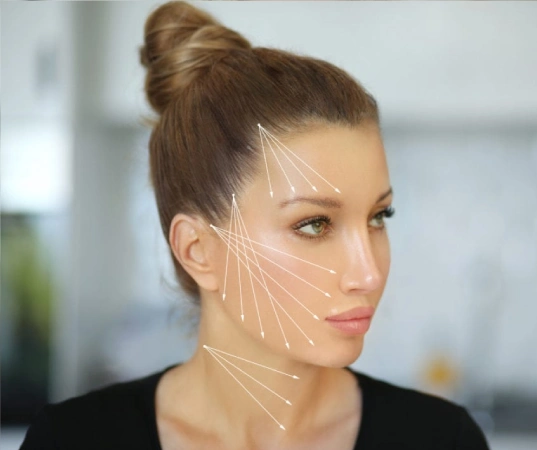
Facial ageing is a natural process that can gradually lead to fine lines, reduced skin elasticity, sagging around the jawline, and loss of volume in the cheeks. While a traditional facelift may be appropriate for some people, others prefer minimally invasive options that aim to refresh their appearance without undergoing major surgery.
A Non-surgical facelift in mumbai may involve treatments such as thread lifts, dermal fillers, and selected skin-tightening procedures. These options can help address specific signs of ageing, depending on a person’s skin condition, facial anatomy, and treatment goals.
At Jewel Aesthetic Centre in Juhu, Mumbai, Dr. Devayani Barve offers aesthetic treatments tailored to individual needs. As a plastic, aesthetic, and reconstructive surgeon with international training and more than 18 years of experience, she evaluates patients’ concerns and discusses suitable options with an emphasis on balanced, natural-looking results.
What Is a Non-Surgical Facelift?
A non-surgical facelift refers to a group of minimally invasive or non-invasive aesthetic treatments designed to improve selected signs of facial ageing without traditional facelift surgery.
Unlike surgical procedures that reposition underlying tissues and remove excess skin, non-surgical treatments focus on specific concerns such as volume loss, fine lines, mild skin laxity, and facial contouring.
Depending on the patient’s needs, a treatment plan may include:
- Thread lifts: Specialised threads are placed beneath the skin to provide temporary support and lifting in selected areas.
- Dermal fillers: Injectable products, commonly based on hyaluronic acid, restore volume and improve facial contours.
- Anti-wrinkle injections: Selected injectable treatments reduce the appearance of certain expression-related lines.
- Radiofrequency-based treatments: These use controlled energy to target skin texture and firmness, depending on the device and treatment protocol.
- Combination treatments: Two or more procedures may be considered when they address different concerns and are clinically appropriate.
Not every patient needs a combination of treatments. A consultation helps determine which options may be suitable and whether a non-surgical approach is likely to meet the patient’s expectations.
Common Concerns Addressed by Non-Surgical Facial Rejuvenation
Facial ageing affects individuals differently. Some people notice changes in skin texture, while others are more concerned about facial volume or the definition of their jawline.
1. Mild Sagging Around the Jawline
Changes in skin elasticity and facial volume may make the jawline appear less defined over time. Selected thread-lift or skin-tightening treatments may improve the appearance of mild laxity in suitable patients.
However, significant loose skin may require a surgical assessment because non-surgical procedures cannot reproduce the results of a traditional facelift in every case.
2. Loss of Volume in the Cheeks
Age-related volume changes can make the face appear tired or less full. Dermal fillers may be used to restore volume in carefully selected areas and improve facial balance.
The objective should be to complement natural facial proportions rather than create unnecessary fullness. The product, placement, and amount should be determined by a qualified medical professional.
3. Fine Lines and Facial Wrinkles
Fine lines can develop due to repeated facial movements, sun exposure, and changes in skin quality. Depending on the type of wrinkle, options may include anti-wrinkle injections, selected skin treatments, or a suitable skincare plan.
Different treatments address different concerns, so an assessment is important before choosing a procedure.
4. Under-Eye Hollows and Facial Contours
Volume loss in selected facial areas can contribute to a tired appearance. In appropriate cases, carefully planned filler treatment may soften the appearance of certain hollows.
The under-eye region requires particular care because injections in this area carry specific risks. Not everyone is a suitable candidate, and alternative treatments may be recommended.
Meet Dr. Devayani Barve: Qualifications and Experience
Dr. Devayani Barve is a plastic, aesthetic, and reconstructive surgeon practising in Mumbai. Her professional profile lists an MBBS from KEM Hospital, Mumbai, completed in 2007, followed by an MS in General Surgery from KEM Hospital in 2010. She completed her MCh in Plastic Surgery at PGIMER, Chandigarh, in 2013.
Her additional training includes ECFMG certification in the United States and international aesthetic fellowship experience. She completed aesthetic and breast surgery fellowship training with Dr. Onelio Garcia Jr. in Miami and participated in the VEST programme at the University of Miami. Her profile also lists an International Aesthetic Fellowship with the American Society for Aesthetic Plastic Surgery.
Dr. Barve has more than 18 years of clinical experience, according to her website. Her practice includes plastic, aesthetic, and reconstructive surgery, along with non-surgical treatments such as dermal fillers, thread lifts, and skin-tightening procedures.
Her background in plastic surgery is relevant when evaluating facial anatomy, treatment options, and the limitations of non-surgical approaches. Patients can discuss their concerns, desired outcomes, and available alternatives during a consultation.
Why Consider Dr. Devayani Barve for Facial Rejuvenation?
Choosing an aesthetic practitioner involves more than comparing procedures. Patients should consider medical qualifications, relevant experience, safety practices, communication, and whether the recommended treatment is appropriate for their concerns.
Dr. Barve’s practice at Jewel Aesthetic Centre offers consultations for patients exploring facial rejuvenation options. Her profile describes a patient-focused approach that emphasises personalised treatment planning and natural-looking outcomes.
People researching the Best Plastic Surgeon in India should look beyond promotional claims and assess a surgeon’s recognised qualifications, relevant experience, safety standards, and willingness to explain risks and alternatives.
Dr. Barve is also presented on her official website as a Celebrity Plastic Surgeon in Mumbai. Regardless of a doctor’s public profile, each patient should receive an individual assessment and realistic guidance about likely outcomes.
What Happens During a Consultation?
A consultation is an opportunity to discuss facial changes, treatment preferences, medical history, previous aesthetic procedures, allergies, and current medication.
The doctor may assess skin quality, facial proportions, the degree of skin laxity, and areas where volume has changed. Based on these findings, suitable options and their limitations can be explained.
Patients should ask about:
- The expected benefits and limitations of the proposed procedure.
- Possible side effects and complications.
- The expected duration of results and potential maintenance.
- Recovery instructions and follow-up appointments.
- The total cost and whether additional sessions may be required.
Treatment should proceed only after the patient understands the risks, alternatives, and expected outcomes.
Safety, Recovery, and Results
Non-surgical facial procedures generally involve less recovery time than traditional facelift surgery, but they are not risk-free. Depending on the procedure, temporary swelling, redness, tenderness, or bruising may occur.
Thread lifts can have additional complications, including asymmetry, visible or palpable threads, infection, or skin irregularities. Dermal fillers can cause lumps or unevenness and, rarely, serious vascular complications. Radiofrequency-based treatments also carry risks, which vary by device and technique.
Results and their duration depend on the treatment used, the product, the treated area, and individual factors. Maintenance may be necessary. No procedure can stop the natural ageing process, and outcomes cannot be guaranteed.
Patients should follow their practitioner’s aftercare instructions and seek prompt medical attention if they experience severe or increasing pain, unusual skin colour changes, vision symptoms, or other concerning signs after an injectable procedure.
Book a Consultation at Jewel Aesthetic Centre
If you are considering facial rejuvenation, the first step is a professional assessment to understand your concerns and determine whether non-surgical treatment is appropriate. Dr. Devayani Barve can discuss suitable options, potential risks, expected recovery, and alternatives based on your individual needs.
📞91673 34189 | 91360 41545 | 90823 98791
📍 Visit: Jewel Aesthetic Centre, Juhu, Mumbai
Contact the clinic to arrange an appointment and discuss which facial rejuvenation options may be suitable for you.
Frequently Asked Questions (FAQs)
1. Who may be suitable for a non-surgical facelift?
People with mild to moderate signs of facial ageing, such as selected areas of volume loss or mild skin laxity, may be candidates. Suitability depends on facial anatomy, medical history, expectations, and the treatment being considered.
2. How long do non-surgical facelift results last?
The duration varies by procedure, product, treatment area, and individual factors. Fillers and thread lifts provide temporary results, while skin-tightening treatments may require a series of sessions or maintenance. Your doctor can explain the expected timeline for your treatment plan.
3. Is a non-surgical facelift risk-free?
No. Although recovery may be shorter than after surgery, non-surgical procedures can cause bruising, swelling, infection, asymmetry, or other complications. Injectable treatments can rarely cause serious complications. A qualified practitioner should explain the risks and appropriate aftercare.
4. Can a non-surgical facelift replace traditional facelift surgery?
Not in every case. Non-surgical procedures may help with selected early signs of ageing, but they cannot remove substantial excess skin or achieve the same degree of tissue repositioning as surgery. A consultation can help determine which approach is most appropriate.