
Uterine fibroids are common, non-cancerous growths that develop in or around the uterus. Although some women may not experience any symptoms, others can face heavy menstrual bleeding, pelvic pain, abdominal pressure, frequent urination and difficulties with conception. Early diagnosis and appropriate treatment can help manage symptoms and protect reproductive health. If you are experiencing these concerns, consulting a Fibroid Specialist in Borivali can help you understand your condition and explore suitable treatment options.
Dr. Deepika Doshi, Consultant Obstetrician and Gynaecologist at Dhanvantari Hospital, Borivali, provides comprehensive gynaecological care, including evaluation and management of uterine fibroids. With her academic achievements, experience in women’s healthcare and training in laparoscopic surgery, she focuses on personalized treatment according to each patient’s symptoms, medical history and reproductive goals.
What Are Uterine Fibroids?
Uterine fibroids, also known as leiomyomas or myomas, are benign growths that develop from the muscular tissue of the uterus. They can vary in number, size and location. Some remain small and cause no noticeable problems, while larger or strategically located fibroids may affect menstrual health, fertility or quality of life.
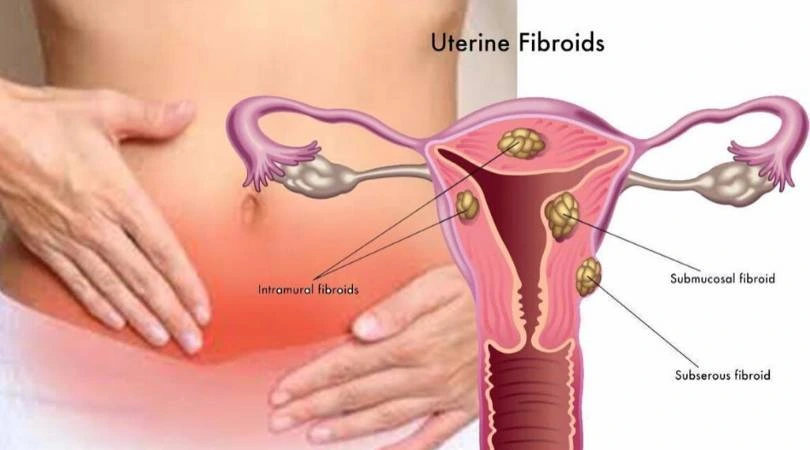
Fibroids are generally classified according to their location:
- Intramural fibroids: Develop within the muscular wall of the uterus.
- Subserosal fibroids: Grow on the outer surface of the uterus.
- Submucosal fibroids: Develop beneath the uterine lining and may affect the uterine cavity.
- Pedunculated fibroids: Grow on a stalk attached to the uterus, either internally or externally.
The appropriate treatment depends on the type, size and location of the fibroid, the severity of symptoms and whether the woman plans to become pregnant.
Common Symptoms of Uterine Fibroids
Many women with fibroids do not experience symptoms and discover them during a routine gynaecological examination or ultrasound. When symptoms occur, they may include:
- Heavy or prolonged menstrual bleeding
- Severe menstrual cramps
- Pelvic pain or pressure
- Lower back discomfort
- Frequent urination
- Abdominal fullness or swelling
- Pain during sexual intercourse
- Difficulty conceiving in certain cases
Some fibroids may also be associated with fertility challenges or pregnancy complications, depending on their size and position. Women experiencing persistent heavy bleeding, severe pain or unexplained menstrual changes should seek medical evaluation rather than ignoring these symptoms.
Causes and Risk Factors of Uterine Fibroids
The exact cause of uterine fibroids is not fully understood. However, several factors may influence their development and growth. These include hormonal influences, particularly oestrogen and progesterone, genetic factors and family history.
Fibroids are more commonly diagnosed during the reproductive years. Other factors, such as age, body weight and certain metabolic conditions, may also influence the likelihood of developing them. Not every woman with these risk factors will develop fibroids, and the condition can occur without an identifiable family history.
Diagnosis of Uterine Fibroids
Accurate diagnosis is important for selecting an appropriate treatment plan. The gynaecologist may begin by discussing the patient’s menstrual history, symptoms, medical background and pregnancy plans.
Depending on the clinical findings, investigations may include:
- Pelvic examination: Helps assess the size and shape of the uterus.
- Ultrasound: Identifies fibroids and evaluates their number, size and location.
- Blood tests: May be advised to check for anaemia caused by heavy menstrual bleeding.
- Additional imaging: MRI or other investigations may be recommended in selected cases to understand complex fibroids or plan surgery.
The choice of investigations depends on the individual patient’s condition and the information required for treatment planning.
Treatment Options for Uterine Fibroids
Not every fibroid requires surgery. Treatment is based on symptoms, fibroid characteristics, age, general health and future pregnancy plans.
1. Monitoring and Observation
Women with small, asymptomatic fibroids may not require immediate treatment. Periodic clinical reviews and ultrasound examinations may be recommended to monitor changes in size or symptoms.
2. Medical Management
Certain medications can help control heavy menstrual bleeding, menstrual discomfort or other symptoms. Hormonal treatments and other prescribed medicines may be considered depending on the patient’s health and treatment goals. These options may manage symptoms but do not necessarily eliminate fibroids.
3. Hysteroscopic Fibroid Removal
Hysteroscopic surgery may be suitable for selected fibroids that project into the uterine cavity. A thin instrument with a camera is passed through the vagina and cervix, allowing the surgeon to remove the fibroid without making abdominal incisions.
4. Laparoscopic Myomectomy
Laparoscopic myomectomy is a minimally invasive procedure in which fibroids are removed through small abdominal incisions using specialised instruments and a camera. It may be considered for suitable patients, particularly when preserving the uterus is important.
5. Hysterectomy
Hysterectomy involves surgical removal of the uterus. It may be considered for women with significant symptoms who have completed childbearing and for whom other treatments are unsuitable or unsuccessful. The decision requires detailed discussion with the gynaecologist.
Why Choose Dr. Deepika Doshi as Your Fibroid Specialist in Borivali?
Choosing the right gynaecologist is an important part of managing uterine fibroids. Dr. Deepika Doshi is an Obstetrician and Gynaecologist at Dhanvantari Hospital, with qualifications of MBBS and MS in Obstetrics and Gynaecology. She is a Gold Medalist in her postgraduate studies and has received academic scholarships and distinctions. She has also undergone training in ultrasonography at Wadia Hospital, Mumbai.
Her clinical practice includes women’s reproductive health, infertility, pregnancy care, high-risk obstetrics and laparoscopic gynaecological surgery. She evaluates fibroid-related concerns by considering the patient’s symptoms, investigation findings and future fertility preferences before discussing appropriate management options.
As an experienced Fibroid Specialist in Borivali, Dr. Deepika Doshi focuses on explaining available treatment approaches and helping patients make informed decisions. Where clinically appropriate, uterus-preserving options may be considered for women who wish to retain their fertility.
Treatment and Facilities at Dhanvantari Hospital
Dhanvantari Hospital is a maternity, gynaecology and surgical healthcare facility located in Borivali West. Established in 1999, the hospital was upgraded in 2019 to strengthen its maternity and surgical services. It is supported by a team of doctors, nurses, paramedical professionals and technical staff, along with modern medical equipment.
The hospital provides gynaecological services, including uterine fibroid evaluation, laparoscopic procedures, infertility care and maternity services. Its focus on accessible healthcare, patient support and appropriate medical facilities makes it a local option for women seeking specialised gynaecological care.
Recognised as the Best Maternity, Gynecology, Laparoscopy Surgery Hospital in Borivali, Dhanvantari Hospital also functions as a Maternity & Gynecology surgery centre in Borivali, providing women’s healthcare services under one roof.
When Should You Consult a Gynaecologist?
You should consider a consultation if you experience unusually heavy periods, persistent pelvic discomfort, increasing abdominal pressure or symptoms of anaemia, such as fatigue and weakness. Women planning pregnancy who have been diagnosed with fibroids should also discuss whether the fibroids could affect conception or pregnancy.
Choosing a Fibroid Specialist in Borivali can help you receive an appropriate diagnosis, understand the available treatment choices and plan follow-up care. Treatment should always be individualised rather than based only on the size of a fibroid.
Book a Consultation with Dr. Deepika Doshi
Uterine fibroids can affect menstrual health, daily comfort and reproductive plans, but suitable evaluation and treatment can help women manage the condition effectively. Dr. Deepika Doshi at Dhanvantari Hospital offers gynaecological assessment and treatment planning based on individual needs.
If you are looking for a Fibroid Specialist in Borivali, contact Dhanvantari Hospital to schedule a consultation and discuss your symptoms and treatment options.
Contact Details:
022 28338378 | +91 9324263464
info@dhanvantarihospitals.com
Get Directions to the Clinic – Dhanvantari Hospital
Frequently Asked Questions
1. What are the common symptoms of uterine fibroids?
Common symptoms include heavy or prolonged menstrual bleeding, pelvic pain, abdominal pressure, menstrual cramps, frequent urination and lower back discomfort. Some women may not experience any symptoms.
2. Do all uterine fibroids require surgery?
No. Small fibroids that do not cause symptoms may only require regular monitoring. Medication or surgery may be recommended depending on the fibroid’s size, location, symptoms and the patient’s reproductive plans.
3. Can uterine fibroids affect pregnancy?
Certain fibroids may affect fertility or increase the risk of pregnancy-related complications, depending on their size and location. A gynaecological evaluation can help determine whether treatment is needed before planning pregnancy.
4. Can fibroids be removed without removing the uterus?
Yes. Myomectomy removes fibroids while preserving the uterus. It may be performed through laparoscopic or hysteroscopic techniques, depending on the fibroid’s location, size and suitability for the procedure.