
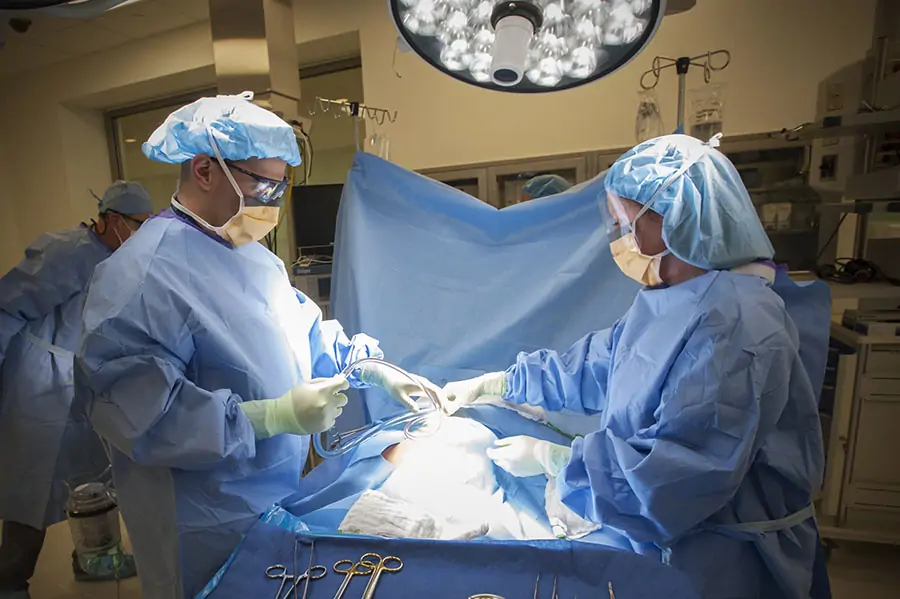
Cancer that spreads to the peritoneum—the thin membrane lining the abdominal cavity—can be complex to treat. Depending on the cancer type, its extent, and the patient’s overall health, treatment may involve systemic chemotherapy, targeted therapies, surgery, or a combination of approaches. One specialised option for carefully selected patients is cytoreductive surgery (CRS), sometimes combined with heated chemotherapy delivered directly into the abdomen.
Dr. Chintamani Godbole, a gastrointestinal and colorectal surgeon at Gadre Hospital in Dadar East, Mumbai, has specialised training in colorectal surgery and peritoneal surface oncology. His practice includes the assessment and surgical management of selected abdominal and peritoneal cancers.
Patients considering surgery for cytoreduction should receive a detailed evaluation to understand whether this complex procedure is appropriate for their diagnosis and treatment goals.
What Is Cytoreductive Surgery?
Cytoreductive surgery, commonly called CRS, is an operation intended to remove visible cancer deposits from the peritoneal surfaces and abdominal cavity. It may be considered when certain cancers have spread within the abdomen but can potentially be removed surgically.
Unlike an operation that removes one isolated tumour, cytoreductive surgery may involve treating multiple tumour deposits across different abdominal surfaces. Depending on the extent and location of the disease, the surgeon may need to remove affected tissue or selected organs to achieve the intended degree of tumour removal.
The goal is to remove as much visible cancer as safely possible. The potential benefits and risks depend on the cancer’s biology, distribution, and response to other treatments. CRS is not suitable for every patient with advanced cancer, and it should be considered by a specialised multidisciplinary team.
Which Cancers May Be Considered for Cytoreductive Surgery?
Cytoreductive surgery may be an option for selected patients with cancers involving the peritoneum, including:
- Appendiceal cancer: Certain tumours arising from the appendix may spread across the peritoneal surfaces.
- Pseudomyxoma peritonei: A rare condition in which mucin-producing tumours lead to the accumulation of mucus-like material within the abdomen.
- Colorectal cancer: Some patients with colon or rectal cancer that has spread to the peritoneum may be assessed for specialised surgery.
- Ovarian cancer: Selected patients may undergo cytoreductive procedures as part of a broader gynaecological oncology treatment plan.
- Gastric cancer: In specific circumstances, peritoneal involvement may prompt evaluation at a specialist centre.
- Peritoneal mesothelioma: This uncommon cancer affects the lining of the abdominal cavity.
These examples do not mean that every patient with these diagnoses will benefit from surgery. The cancer type, tumour burden, involvement of other organs, overall fitness, and available alternatives all influence the decision.
Understanding CRS Combined with HIPEC
Some patients undergoing cytoreductive surgery may also be considered for hyperthermic intraperitoneal chemotherapy, known as HIPEC.
CRS and HIPEC are two distinct components of a combined treatment approach:
Step 1: Cytoreductive Surgery
The surgeon operates to remove visible tumour deposits from the abdominal cavity. Depending on the distribution of the disease, this can be an extensive procedure involving multiple areas of the abdomen.
Step 2: Heated Intraperitoneal Chemotherapy
After the surgical removal of visible disease, a heated chemotherapy solution may be circulated within the abdominal cavity for a specified period. The solution is then drained before the operation is completed.
The aim is to expose the abdominal surfaces to chemotherapy that may act against microscopic cancer cells remaining after surgery. HIPEC is not appropriate for every cancer type or patient, and the specific drug and protocol depend on the clinical situation.
The potential benefits of CRS with HIPEC must be weighed against the risks of a major operation and chemotherapy. Patients should ask their treatment team why the combined approach is being recommended and what evidence supports it for their particular diagnosis.
How Is Cytoreductive Surgery Different from Conventional Cancer Surgery?
Conventional cancer surgery often removes a primary tumour, along with an appropriate margin of surrounding tissue and, where indicated, nearby lymph nodes. Cytoreductive surgery is different because cancer deposits may be spread across multiple peritoneal surfaces.
The operation can therefore be longer and more complex than a localised abdominal procedure. It requires careful preoperative planning, experienced surgical teams, anaesthesia support, and postoperative monitoring.
For some carefully selected patients, CRS with HIPEC may offer meaningful disease control. However, outcomes vary, and the procedure cannot guarantee a cure. In other situations, systemic treatment or symptom-focused care may be more appropriate.
How Is a Patient Assessed for CRS and HIPEC?
A thorough evaluation is essential before deciding whether to proceed. The treating team may review:
- Imaging: CT or MRI scans may help assess tumour distribution and involvement of abdominal organs.
- Pathology reports: The type and biological characteristics of the cancer influence treatment decisions.
- Previous treatment: Chemotherapy, prior surgery, and the response to earlier treatments may affect suitability.
- General health: Heart, lung, kidney, nutritional, and functional status help determine whether a patient can tolerate major surgery.
- Extent of peritoneal disease: The amount and location of tumour involvement are important considerations.
Depending on the diagnosis, additional tests or a review by a multidisciplinary tumour board may be recommended. Patients should receive a clear explanation of the expected benefits, alternatives, likely recovery, and possible complications before giving consent.
Meet Dr. Chintamani Godbole: Qualifications and Experience
Dr. Chintamani Godbole is a gastrointestinal and colorectal surgeon whose practice includes colorectal cancer surgery and peritoneal surface oncology.
His official profile lists an MBBS and MS in General Surgery from Maharashtra University of Health Sciences, an MS completed through training at Seth G. S. Medical College and KEM Hospital, Mumbai, and a DNB in Surgical Gastroenterology from the National Board of Examinations. He also holds the Fellowship of the Royal College of Surgeons of Edinburgh (FRCS).
Dr. Godbole completed further training in the United Kingdom, including fellowships in robotic colorectal surgery and colorectal and peritoneal oncology. His profile describes experience in minimally invasive colorectal surgery, cytoreductive surgery, and HIPEC for advanced peritoneal cancers.
His professional focus includes robotic and laparoscopic colorectal surgery, sphincter-preserving surgery for rectal cancer, inflammatory bowel disease surgery, and the management of selected peritoneal malignancies.
Patients researching a Colorectal Surgeon in Mumbai or a Best Doctor for Gastroenterology in Mumbai should look for relevant specialist training, experience with the condition being treated, access to multidisciplinary care, and clear communication about treatment choices.
Care and Consultation at Gadre Hospital
Dr. Godbole consults at Gadre Hospital, near Hindmata Cinema in Dadar East, Mumbai. The consultation process allows patients and their families to discuss the diagnosis, review available reports, and understand whether further investigations or specialist referrals are needed.
For complex cancers, care may involve coordination between surgical oncologists, medical oncologists, radiologists, pathologists, anaesthesiologists, nutrition professionals, and critical-care teams. The exact team and facilities required depend on the planned procedure and the patient’s clinical needs.
Patients should ask where the operation would take place, what specialist support is available, how postoperative complications would be managed, and what follow-up care would involve.
Recovery and Possible Risks
Recovery after CRS, with or without HIPEC, can be substantial. Hospitalisation may last a week or longer, depending on the operation, recovery progress, and whether complications occur. Some patients need additional time to regain strength, appetite, and usual activity levels.
Potential complications include bleeding, infection, blood clots, bowel leakage, fistula formation, nutritional difficulties, and complications affecting other organs. HIPEC may add treatment-specific side effects. The likelihood of complications varies with the patient’s health and the complexity of the operation.
Before surgery, patients should discuss expected recovery time, nutritional support, pain management, warning signs, follow-up appointments, and whether further cancer treatment may be needed.
Book a Consultation with Dr. Chintamani Godbole
If you or a family member has been diagnosed with cancer involving the abdominal cavity, a specialist consultation can help clarify the diagnosis and available treatment options. Dr. Chintamani Godbole can review relevant reports and discuss whether cytoreductive surgery, HIPEC, another treatment, or further evaluation may be appropriate.
Call: 81087 91470
Email: drchintamanigodbole@gmail.com
Get Directions to Gadre Hospital
Contact the clinic to arrange an appointment and bring your recent scans, pathology reports, discharge summaries, and details of previous treatment, if available.
Frequently Asked Questions (FAQs)
1. What is the main goal of cytoreductive surgery?
The aim is to remove visible cancer deposits from the peritoneal surfaces in carefully selected patients. The expected benefit depends on the cancer type, its extent, and whether the disease can be removed safely.
2. Is HIPEC always performed after cytoreductive surgery?
No. HIPEC is considered for selected cancers and patients. The decision depends on the diagnosis, clinical evidence, extent of disease, and the specialist team’s recommendation.
3. How long does recovery from CRS with HIPEC take?
Recovery varies according to the extent of surgery and the patient’s condition. Hospitalisation may last a week or longer, and fatigue or changes in appetite can continue after discharge. The treating team will provide an individual recovery plan.
4. How can I find out whether I am suitable for cytoreductive surgery?
Arrange an assessment with a surgeon experienced in peritoneal surface oncology. The team will review your pathology, scans, medical history, general fitness, and previous treatment before discussing the potential benefits, risks, and alternatives.