
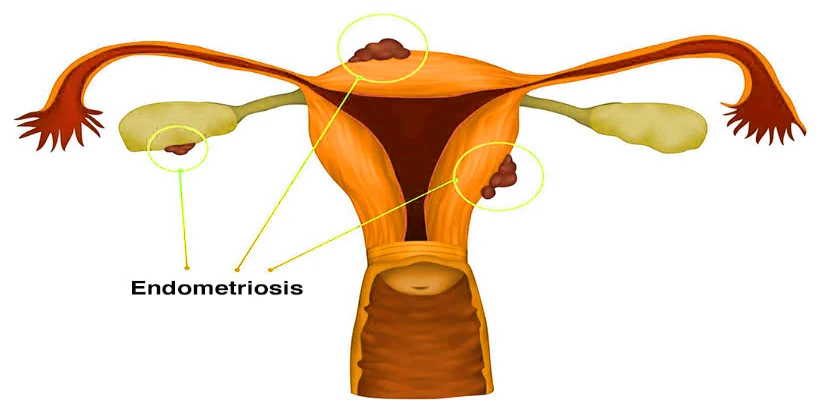
Endometriosis is a common yet often misunderstood gynaecological condition that can significantly affect a woman’s physical health, emotional well-being and fertility. It occurs when tissue similar to the lining of the uterus grows outside the uterus, potentially affecting the ovaries, fallopian tubes, pelvic lining, bowel and bladder. Women with endometriosis may experience severe menstrual cramps, chronic pelvic pain, painful intercourse, digestive discomfort and difficulty conceiving. Seeking Endometriosis treatment in Mumbai can help women access timely diagnosis, advanced treatment options and personalised gynaecological care to manage the condition effectively.
Early diagnosis and appropriate medical care are essential for managing symptoms and preventing complications. Endometriosis treatment in Mumbai offers access to advanced diagnostic facilities and minimally invasive surgical techniques that can help women manage this condition effectively. Dr. Maitreyee Parulekar at Kirit Nursing Home specialises in laparoscopic and robotic gynaecological surgery, providing personalised treatment approaches based on the severity of the disease and each patient’s health and fertility goals.
What Is Endometriosis?
Endometriosis is a chronic condition in which tissue resembling the endometrium, the inner lining of the uterus, develops outside the uterine cavity. These growths are commonly found on the ovaries, fallopian tubes and pelvic tissues. In more complex cases, endometriosis can involve the bowel, urinary bladder, pelvic nerves and other surrounding structures.
Similar to the uterine lining, endometriosis-affected tissue responds to hormonal changes during the menstrual cycle. This can cause inflammation, irritation, internal bleeding and scar tissue formation. Over time, adhesions may develop, causing pelvic organs to stick together and potentially affecting their normal functioning.
The exact cause of endometriosis is not fully understood. Genetic factors, immune system changes, hormonal influences and retrograde menstruation are among the proposed contributing factors.
Common Symptoms of Endometriosis
Symptoms can vary from one woman to another. Some experience severe discomfort, while others may have mild symptoms or no noticeable symptoms.
Common warning signs include:
- Severe menstrual cramps that interfere with daily activities.
- Chronic pelvic pain, including pain outside menstruation.
- Heavy or irregular menstrual bleeding.
- Pain during or after sexual intercourse.
- Painful bowel movements, particularly during periods.
- Discomfort or pain while urinating.
- Abdominal bloating and digestive disturbances.
- Persistent fatigue and reduced energy levels.
- Difficulty conceiving or infertility.
Women experiencing recurring pelvic pain or unusually painful periods should seek medical evaluation rather than considering these symptoms a normal part of menstruation.
When Should You Consider Endometriosis Treatment in Mumbai?
Treatment should be considered when symptoms become persistent, affect everyday activities or interfere with reproductive health. Early consultation with a gynaecologist can help identify the condition and determine an appropriate management plan.
Medical evaluation is particularly important when:
- Menstrual pain is severe or does not improve with routine medication.
- Pelvic pain affects work, sleep or daily activities.
- Pain during intercourse becomes frequent.
- There are recurring bowel or bladder symptoms.
- Ultrasound or MRI indicates ovarian endometriosis or endometriomas.
- You are experiencing difficulty conceiving.
- Previous treatment has not provided sufficient symptom relief.
The treatment plan for Endometriosis treatment in Mumbai depends on the patient’s age, symptoms, disease severity, previous medical history and future pregnancy plans, ensuring an individualised approach to effective symptom management and long-term reproductive health.
How Is Endometriosis Diagnosed?
Accurate diagnosis involves understanding the patient’s symptoms, menstrual history and clinical condition. Dr. Maitreyee Parulekar may recommend appropriate investigations to identify the location and extent of endometriosis.
1. Medical History and Pelvic Examination: The doctor evaluates menstrual patterns, pain severity, fertility concerns and other associated symptoms. A pelvic examination may help identify tenderness, nodules or abnormalities.
2. Ultrasound: Pelvic ultrasound, including transvaginal ultrasound when appropriate, can help identify ovarian endometriomas and certain forms of deep endometriosis.
3. MRI Scan: Magnetic resonance imaging may be advised when detailed assessment of deep endometriosis or involvement of surrounding organs is required.
4. Laparoscopy: Laparoscopy allows the surgeon to directly examine the pelvic organs and identify endometriotic lesions. It can also be used to treat visible disease during the same procedure when appropriate. However, surgery is not necessary for every patient, and diagnosis can often be made using symptoms and imaging findings.
Advanced Treatment Options for Endometriosis
Treatment depends on the extent of the condition, symptom severity and the patient’s reproductive goals. Available approaches include medication, hormonal management and surgery.
1. Medical and Hormonal Treatment
For women with mild or moderate symptoms, medication may help control pain and inflammation. Pain-relieving medicines and hormonal treatments may be recommended to reduce menstrual activity and manage endometriosis-related symptoms.
Hormonal options can include combined hormonal contraceptives, progestogens and other specialist-prescribed therapies. These treatments help manage symptoms but do not necessarily eliminate existing endometriotic lesions.
2. 3D Laparoscopic Surgery
3D laparoscopic surgery is an advanced minimally invasive technique used for selected patients with endometriosis. It involves small abdominal incisions through which a high-definition camera and specialised surgical instruments are introduced.
The three-dimensional visualisation provides depth perception and helps the surgeon identify affected tissues and important surrounding structures.
Depending on the disease, laparoscopic surgery may involve:
- Excision or removal of endometriotic lesions.
- Release of pelvic adhesions.
- Treatment of ovarian endometriomas.
- Removal of deep infiltrating endometriosis when appropriate.
- Careful preservation of healthy reproductive organs and surrounding tissues.
3. Robotic-Assisted Surgery
Robotic-assisted surgery may be considered for selected complex cases, particularly when endometriosis affects difficult-to-access pelvic areas. The surgeon controls specialised instruments using a robotic surgical system with enhanced visualisation and precise movements.
The approach may support delicate dissection and careful tissue handling. Suitability depends on disease location, surgical complexity and the patient’s overall health.
4. Treatment of Ovarian Endometrioma
An ovarian endometrioma, commonly called a chocolate cyst, is a cyst associated with endometriosis that contains old blood. It can cause pelvic pain and may affect ovarian function.
Depending on its size, symptoms and fertility considerations, medical observation or surgical management may be recommended. When surgery is necessary, preserving healthy ovarian tissue and discussing potential effects on ovarian reserve are important considerations.
Why Choose Dr. Maitreyee Parulekar for Endometriosis Care?
Dr. Maitreyee Parulekar is a qualified gynaecological surgeon with specialised expertise in gynaecological oncosurgery and minimally invasive procedures. Her qualifications include:
- MBBS from Maharashtra University of Health Sciences, Nashik.
- MS in Obstetrics and Gynaecology from Seth GS Medical College and KEM Hospital, Mumbai.
- MRCOG (UK), Member of the Royal College of Obstetricians and Gynaecologists.
- Fellowship in Minimal Access Surgery (FMAS), MUHS.
- Fellowship in Gynaecological Oncosurgery and Robotic Surgery at Seoul National University Hospital, South Korea.
- Visiting Scholar in Minimally Invasive Gynaecology at Mount Sinai Hospital and Women’s College Hospital, Toronto, Canada.
She secured a University Gold Medal for standing first in MS Obstetrics and Gynaecology and has received professional recognitions, including the Best Resident Award.
Her clinical expertise includes laparoscopic and robotic surgery for benign and malignant gynaecological conditions, endometriosis management, fibroid removal, hysterectomy and fertility-preserving procedures. She has also contributed to academic research, including published work on nerve-sparing and non-nerve-sparing surgical techniques for endometriosis resection.
As a Top Gynae Oncologist In Mumbai, Dr. Maitreyee Parulekar combines specialised surgical training with an individualised approach to complex gynaecological conditions.
At Kirit Nursing Home, patients can consult her for evaluation, treatment planning and guidance regarding appropriate surgical or non-surgical options. Her patient-focused consultation approach emphasises clear communication, understanding individual concerns and explaining treatment choices in a comfortable clinical environment.
Recovery and Long-Term Management
Recovery depends on the type of treatment and the severity of endometriosis. Women undergoing laparoscopic surgery generally experience smaller incisions and may return to routine activities sooner than those undergoing open surgery. However, recovery time varies according to the extent of the procedure.
Post-treatment care may include prescribed medication, follow-up consultations, gradual resumption of physical activities and monitoring of symptoms.
Endometriosis is a chronic condition, and symptoms or lesions may recur even after surgery. Long-term management may involve hormonal treatment, regular reviews and fertility counselling when required. Women planning pregnancy should discuss their reproductive goals and treatment timing with their gynaecologist.
Consult Dr. Maitreyee Parulekar at Kirit Nursing Home
Persistent pelvic pain, painful periods and fertility-related difficulties should not be ignored. Timely medical consultation can help women understand their condition and explore appropriate treatment options.
If you are looking for Endometriosis treatment in Mumbai, consult Dr. Maitreyee Parulekar at Kirit Nursing Home for expert evaluation and personalised guidance. Her experience in minimally invasive gynaecological surgery and advanced laparoscopic techniques supports a comprehensive approach to managing endometriosis.
Women searching for an experienced Gynecologist In Vile Parle, Mumbai can contact her clinic to schedule a consultation.
+91 72087 27500 | +91 97023 58222
info@drmaitreyeegynec.in
Get Directions to the Clinic – Kirit Nursing Home, Vile Parle
Take a proactive step towards managing endometriosis with specialist gynaecological care and an individualised treatment plan.