
Colorectal cancer develops in the colon or rectum and is among the important gastrointestinal cancers requiring timely diagnosis and appropriate treatment. It may begin as a growth or polyp in the inner lining of the bowel and gradually progress if not detected and treated. Early evaluation, accurate staging, and a personalised treatment plan play an important role in managing the condition.
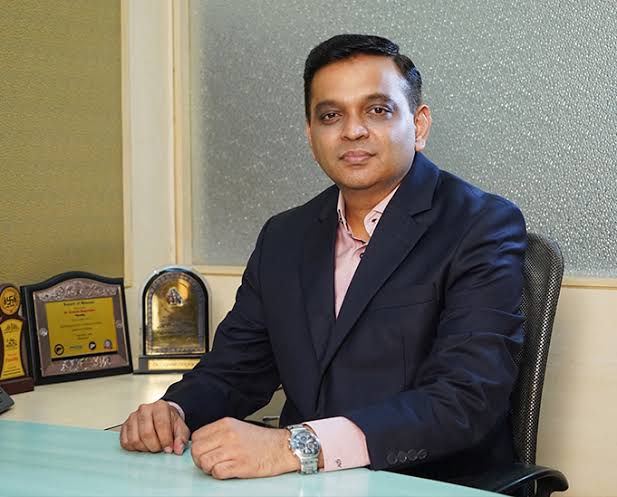
Dr. Ganesh Nagarajan is a senior surgical oncologist specialising in gastrointestinal, hepatobiliary, pancreatic, and colorectal cancers. He consults at Cancer Surgery Clinic in Bandra West and is associated with Nanavati Max Institute of Cancer Care, Mumbai. His expertise includes open, laparoscopic, and robotic cancer surgery for selected patients.
Patients looking for a colorectal surgeon mumbai can benefit from understanding the available treatment options, surgical approaches, and the importance of specialist evaluation.
What Is Colorectal Cancer?
Colorectal cancer refers to cancer that develops in the colon or rectum. The colon absorbs water and helps form stool, while the rectum stores stool before it leaves the body. Cancer can develop in either part and may spread to nearby lymph nodes or distant organs if it progresses.
Some colorectal cancers develop from precancerous polyps. Finding and removing certain polyps during screening can help reduce the risk of cancer.
Common Symptoms of Colorectal Cancer
Symptoms can vary depending on the tumour’s location and stage. Warning signs may include:
- Blood in the stool or rectal bleeding.
- Persistent changes in bowel habits, including diarrhoea or constipation.
- A feeling that the bowel does not empty completely.
- Unexplained abdominal discomfort, cramps, or pain.
- Unintentional weight loss.
- Unexplained anaemia, tiredness, or weakness.
These symptoms do not always indicate cancer. However, persistent or unexplained changes should be assessed by a healthcare professional rather than ignored.
Risk Factors and Importance of Early Diagnosis
Several factors may increase the likelihood of developing colorectal cancer. These include a personal or family history of colorectal cancer or polyps, inherited conditions such as Lynch syndrome or familial adenomatous polyposis, and inflammatory bowel diseases such as ulcerative colitis and Crohn’s disease.
Lifestyle factors such as smoking, obesity, physical inactivity, and a diet high in processed or red meat may also contribute to risk.
Screening recommendations depend on age, family history, and individual risk. Colonoscopy is an important investigation because it allows the doctor to examine the colon and obtain tissue samples when necessary.
How Is Colorectal Cancer Diagnosed?
A diagnosis involves identifying the tumour, confirming its type, and determining how far it has spread. Investigations may include:
1. Colonoscopy: A flexible camera is used to examine the colon and rectum. Suspicious growths can be biopsied for laboratory testing.
2. Biopsy: A tissue sample helps confirm whether a growth is cancerous and identifies its type.
3. CT scan: Imaging helps assess the abdomen, pelvis, and chest for possible spread.
4. MRI: Pelvic MRI is particularly useful for evaluating rectal cancer and its relationship with surrounding tissues.
5. Blood tests and tumour markers: Tests such as carcinoembryonic antigen (CEA) may help with treatment planning and follow-up, although CEA alone cannot diagnose colorectal cancer.
The results help the specialist determine the stage and recommend an appropriate treatment strategy.
Treatment Options for Colorectal Cancer
Treatment depends on the cancer’s location, stage, biological characteristics, and the patient’s general health. It may involve surgery, chemotherapy, radiation therapy, targeted treatment, or a combination.
1. Colectomy for Colon Cancer
A colectomy involves removing the section of the colon containing the tumour along with the surrounding lymph nodes that drain the affected area. The remaining bowel sections may be joined together when appropriate.
Depending on the tumour’s location and extent, the operation may be a partial colectomy, hemicolectomy, or, in selected cases, a more extensive procedure.
2. Surgery for Rectal Cancer
Rectal cancer surgery is planned carefully because the rectum lies close to nerves and muscles that control bowel, urinary, and sexual function.
Depending on tumour location and stage, procedures may include:
- Low Anterior Resection (LAR): Removal of the affected rectal segment while preserving the anal sphincter when possible.
- Abdominoperineal Resection (APR): Removal of the rectum and anus when the tumour involves the sphincter region, usually requiring a permanent colostomy.
- Transanal Excision: Removal of selected early-stage tumours through the anal opening when clinical criteria are met.
Some patients may receive chemotherapy and radiation before surgery to reduce the tumour or improve the chances of complete removal.
3. Laparoscopic Colorectal Surgery
Laparoscopic surgery uses small incisions, a camera, and specialised instruments to remove the affected bowel segment. For suitable patients, it may offer benefits such as reduced wound size, less postoperative discomfort, and earlier recovery compared with open surgery.
However, the approach depends on tumour size, location, disease spread, anatomy, and surgical safety.
4. Robotic Colorectal Surgery
Robotic-assisted surgery is another minimally invasive option for selected colorectal cancers. It provides magnified visualisation and specialised instrument control, which may be particularly useful when operating in the narrow pelvic space.
The choice between open, laparoscopic, and robotic surgery should be based on the safest way to achieve appropriate cancer removal—not simply on the technology being used.
Meet Dr. Ganesh Nagarajan: Qualifications and Experience
Dr. Ganesh Nagarajan is a surgical oncologist with specialised expertise in gastrointestinal and hepatopancreatobiliary cancer surgery.
His qualifications include an MBBS from Bombay University, completed in 2000, and an MS in General Surgery from Bombay University in 2004. He completed a four-year residency training programme in Surgical Oncology at Tata Memorial Hospital, Mumbai, from 2004 to 2008. He also holds the Fellowship of the College of Physicians and Surgeons (FCPS), Mumbai.
His advanced training includes a fellowship in Hepatobiliary Pancreatic Surgery and Liver Transplantation at Hospital Beaujon, Paris, during 2008–09. His professional profile reports more than 28 years of overall experience and more than 2,000 complex gastrointestinal and hepatopancreatobiliary cancer surgeries.
Dr. Nagarajan’s areas of expertise include colorectal malignancies, liver and pancreatic cancers, gastric cancer, robotic and laparoscopic gastrointestinal cancer surgery, and complex hepatobiliary procedures. He previously served as a Senior Consultant at PD Hinduja National Hospital for nearly a decade and currently holds a senior leadership role in gastrointestinal and hepatopancreatobiliary oncology at Nanavati Max Institute of Cancer Care.
Patients researching an onco surgeon in mumbai or a Robotic Cancer Surgeon should consider specialist training, experience with their specific cancer, access to multidisciplinary care, and clear communication about treatment options.
Cancer Surgery Clinic: Consultation and Patient Care
Cancer Surgery Clinic provides consultations for patients with gastrointestinal and hepatopancreatobiliary cancers. Its focus includes colorectal, liver, pancreatic, gastric, and other complex abdominal cancers.
Dr. Nagarajan’s consultation approach allows patients to discuss their diagnosis, review investigation reports, and understand the available surgical and non-surgical options. Complex cancer treatment may involve coordination with medical oncologists, radiation oncologists, radiologists, pathologists, anaesthesiologists, and other specialists.
Patients should bring their colonoscopy findings, biopsy reports, imaging scans, and previous treatment records to help the doctor assess their condition.
Recovery and Follow-Up After Colorectal Surgery
Recovery depends on the type of operation, the patient’s overall health, and whether chemotherapy or radiation is also required. Hospital stay and return to normal activities vary between patients.
After surgery, patients may gradually resume eating as bowel function returns. Temporary changes in bowel frequency or stool consistency can occur. Some patients may require a temporary or permanent stoma, and the care team can provide guidance on stoma management.
Follow-up may include physical examinations, colonoscopy, imaging, and blood tests such as CEA, according to the cancer stage and treatment received.
Book a Consultation with Dr. Ganesh Nagarajan
If you have persistent bowel symptoms, an abnormal colonoscopy, a colorectal cancer diagnosis, or have been advised to undergo surgery, timely specialist consultation can help clarify the next steps.
Consult Dr. Ganesh Nagarajan to discuss your diagnosis, treatment choices, and whether open, laparoscopic, or robotic surgery may be appropriate for your condition.
📧 hello@cancersurgeryclinic.com
📍 Get directions to the clinic
Contact the clinic to enquire about appointment availability and the documents required for your consultation.
Frequently Asked Questions (FAQs)
1. When should I consult a colorectal cancer specialist?
Consult a specialist if you experience persistent rectal bleeding, unexplained anaemia, ongoing changes in bowel habits, unexplained weight loss, or an abnormal colonoscopy or biopsy result. Early evaluation helps establish the diagnosis and appropriate treatment plan.
2. Is robotic surgery suitable for every colorectal cancer patient?
No. Robotic surgery may be suitable for selected patients, depending on tumour location, stage, anatomy, and overall health. Open or laparoscopic surgery may be more appropriate in other situations.
3. Will I need a stoma after colorectal cancer surgery?
Not every patient needs a stoma. Some operations allow the bowel to be reconnected, while others may require a temporary or permanent stoma depending on tumour location, surgical findings, and safety considerations.
4. Can I return to a normal diet after colorectal surgery?
Many patients gradually return to a varied diet after recovery. Dietary recommendations depend on the operation and bowel function. Your surgeon or dietitian can advise on suitable foods, hydration, and any temporary restrictions.