
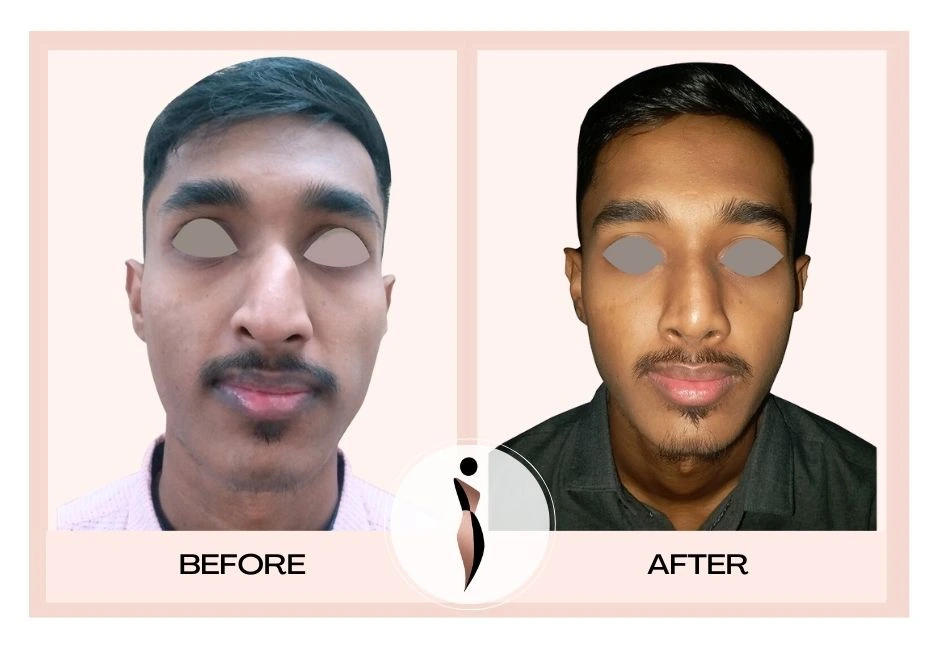
The nose plays an important role in facial balance, appearance and breathing. Its shape and proportions can influence how different facial features look together. Some people may feel uncomfortable about a nasal hump, a broad nasal tip, asymmetry or a crooked nose. Others may experience breathing difficulties caused by structural problems inside the nose. Rhinoplasty is a surgical procedure that can address selected cosmetic and structural concerns.
At Shah Superspeciality Clinic, Dr. Amiti Shah offers consultation for patients considering nose reshaping and correction of nasal deformities. Her approach focuses on understanding individual concerns, assessing facial proportions and discussing realistic surgical outcomes. People exploring rhinoplasty surgery in mumbai can consult Dr. Shah to understand suitable techniques, expected recovery and possible risks.
What Is Rhinoplasty?
Rhinoplasty, commonly called a nose job, is a surgical procedure performed to reshape the nose or correct selected structural concerns. Depending on the patient’s needs, surgery may involve modifying the nasal bone, cartilage and soft tissues to achieve a more balanced appearance or improve nasal function.
Rhinoplasty may be considered for concerns such as:
- A prominent nasal hump or bump.
- A depressed or flat nasal bridge.
- A broad or bulbous nasal tip.
- Wide or asymmetrical nostrils.
- A crooked or uneven nose.
- A nose that appears disproportionate to other facial features.
- Structural problems that contribute to breathing difficulties.
The goal is not to create an identical nose for every patient. Instead, the surgeon considers facial proportions, existing nasal anatomy and the patient’s expectations before planning any changes.
Cosmetic and Functional Rhinoplasty
Rhinoplasty may be performed for cosmetic reasons, functional reasons or a combination of both.
Cosmetic rhinoplasty focuses on changing the external appearance of the nose. It may involve refining the nasal tip, reducing a hump, adjusting the bridge or improving symmetry.
Functional rhinoplasty addresses structural problems that interfere with airflow. For example, a deviated nasal septum can contribute to nasal obstruction. In suitable patients, rhinoplasty may be combined with septoplasty, which corrects the position or structure of the nasal septum.
A proper assessment is important because not every breathing problem is caused by the external shape of the nose. Patients with persistent nasal obstruction may also need evaluation by an ENT specialist.
Rhinoplasty Techniques: Open and Closed Approaches
The surgical technique depends on the patient’s anatomy, the extent of correction required and the surgeon’s assessment.
1. Open Rhinoplasty
Open rhinoplasty involves a small incision across the columella, the strip of tissue between the nostrils, along with incisions inside the nose. This allows the surgeon to lift the nasal skin and view the underlying structures more directly.
It may be useful for more complex reshaping, significant tip correction or cases requiring detailed structural work. The external incision generally heals over time, although scar appearance varies between individuals.
2. Closed Rhinoplasty
In closed rhinoplasty, incisions are made inside the nostrils. There is no external incision across the columella. The surgeon reshapes the nasal structures through these internal openings.
This approach may be suitable for selected patients whose required corrections can be performed through internal access. It is not appropriate for every type of nasal deformity.
The choice between open and closed rhinoplasty depends on the planned correction, nasal anatomy and surgical considerations. Patients should discuss the advantages and limitations of each approach during consultation.
Who May Be a Suitable Candidate?
Rhinoplasty may be considered by individuals who have specific concerns about the appearance or structure of their nose. However, suitability depends on more than aesthetic preference.
A surgeon may evaluate:
- Overall physical health and medical history.
- Nasal bone, cartilage and skin structure.
- Facial proportions and symmetry.
- Breathing function and septal alignment.
- Previous nasal injuries or surgeries.
- Expectations and understanding of possible outcomes.
Patients should generally have completed facial growth before undergoing elective cosmetic rhinoplasty. People with uncontrolled medical conditions, active infections or unrealistic expectations may need further evaluation before surgery is considered.
A detailed consultation helps determine whether rhinoplasty is appropriate and whether additional assessment is needed.
How Is Rhinoplasty Performed?
Rhinoplasty is usually performed under general anaesthesia. The exact procedure depends on the surgical plan.
The surgeon makes the required incisions, accesses the nasal framework and reshapes selected bone or cartilage structures. Depending on the patient’s needs, this may involve reducing a hump, refining the tip, correcting asymmetry or modifying the nasal bridge. In some cases, cartilage grafts may be used to provide support or improve nasal shape.
Once the planned correction is completed, the skin and soft tissues are repositioned and the incisions are closed. A nasal splint may be placed to support the nose during the initial healing period.
Depending on the complexity and duration of surgery, rhinoplasty may be performed as a day-care procedure or may require a short hospital stay. Dr. Amiti Shah’s rhinoplasty information describes both possibilities, depending on the individual case.
Recovery and Aftercare Following Rhinoplasty
Recovery varies according to the extent of surgery and individual healing. Patients may experience swelling, bruising, tenderness, temporary numbness or a feeling of nasal congestion during the early recovery period.
General recovery guidance may include:
- Keep the head elevated while resting, as advised.
- Avoid strenuous exercise and heavy lifting during the initial recovery period.
- Do not press, rub or accidentally injure the nose.
- Follow instructions regarding nasal cleaning, medication and splint care.
- Attend scheduled follow-up appointments.
- Avoid wearing glasses directly on the nose if advised by the surgeon.
Many patients can return to light daily activities within one to two weeks, depending on their recovery and the nature of their work. However, swelling can take several months to settle, and subtle changes in nasal shape may continue for a year or longer.
Meet Dr. Amiti Shah – Female Plastic Surgeon In Mumbai
Dr. Amiti Shah is a Consultant Plastic and Cosmetic Surgeon with specialised training in general surgery, plastic surgery and breast reconstructive and cosmetic surgery. Her qualifications include:
- MBBS: Maharashtra University of Health Sciences, 2003.
- DNB in General Surgery: National Board of Examinations, 2008.
- DNB in Plastic Surgery: National Board of Examinations, 2012.
- Fellowship in Breast Reconstructive and Cosmetic Surgery: United Kingdom, 2015.
Dr. Shah developed an interest in plastic surgery during her general surgical training and pursued further specialisation in aesthetic and reconstructive procedures. She has worked with established hospitals in South and West Mumbai, including Bhatia Hospital, Wockhardt Hospital, St. Elizabeth Hospital, Apollo Spectra Clinic and Namaha Hospital.
She is also associated with K. J. Somaiya Medical College, where she contributes to postgraduate teaching and reconstructive surgery for underprivileged patients. Her professional work includes participation in surgical camps for burn-victim rehabilitation.
Dr. Shah’s research has appeared in national and international journals. She received the Best Paper Award in 2016 for her research on liposuction published in the Indian Journal of Plastic Surgery. Her areas of expertise include liposuction, breast procedures, body contouring, cosmetic gynaecological surgery and rhinoplasty.
Patient-Focused Consultations at Shah Superspeciality Clinic
Shah Superspeciality Clinic is located at Panchshil Plaza in Gamdevi, South Mumbai. Patients can consult Dr. Shah to discuss facial aesthetic concerns, nasal proportions, previous injuries and possible breathing-related issues.
Her stated approach emphasises patient comfort, individual expectations and overall physical and emotional well-being. During consultation, patients can discuss their desired changes and understand what may realistically be achieved. The clinic’s appointment-based consultation schedule allows patients to plan their visit and discuss treatment requirements.
As a Plastic Surgeon in Mumbai, Dr. Shah focuses on personalised cosmetic and reconstructive care. Patients should receive a clear explanation of the proposed procedure, anaesthesia, potential complications, recovery time and alternatives before making a decision.
Risks and Considerations
Like all surgical procedures, rhinoplasty carries potential risks. These may include bleeding, infection, anaesthesia-related complications, scarring, persistent swelling, altered sensation, breathing difficulties or dissatisfaction with the cosmetic result. Some patients may require revision surgery if healing or the final outcome does not meet the agreed goals.
Results cannot be guaranteed, and the final appearance depends on factors such as skin thickness, nasal anatomy, healing and the extent of correction. An informed discussion with the surgeon is essential before proceeding.
Book a Rhinoplasty Consultation with Dr. Amiti Shah
If you are considering rhinoplasty surgery in mumbai, take the first step by arranging a consultation with Dr. Amiti Shah at Shah Superspeciality Clinic. Discuss your concerns, understand the available surgical approaches and receive an individual assessment before deciding on treatment.
📞 +91 87795 36240 | 22–2367 7234 | 9820306981
📍 Visit: Shah Superspeciality Clinic, Gamdevi, Mumbai
The clinic team can help you confirm appointment availability and guide you about the next steps.
Frequently Asked Questions
1. Is rhinoplasty performed only for cosmetic reasons?
No. Rhinoplasty can address cosmetic concerns as well as selected structural problems affecting nasal function. In suitable cases, it may be combined with septoplasty to correct a deviated nasal septum.
2. How long does it take to recover from rhinoplasty?
Initial recovery commonly takes around one to two weeks, although this varies. Swelling may continue to improve over several months, and the final nasal shape can take a year or longer to become apparent.
3. Is open or closed rhinoplasty better?
Neither technique is universally better. Open rhinoplasty provides greater direct visibility of nasal structures, while closed rhinoplasty uses incisions inside the nostrils. The choice depends on the patient’s anatomy and the corrections required.
4. Can rhinoplasty improve breathing?
It may improve breathing when nasal structural problems are contributing to obstruction. A deviated septum may require septoplasty, sometimes combined with rhinoplasty. A proper assessment is necessary to identify the cause of breathing difficulties.